Alloy B-2 (UNS N10665): Engineering Selection & Welding Guide for Reducing Acid ServiceLooking for ASTM B333 plate specifications and dimensional data? Alloy B-2 is a nickel-molybdenum alloy with approximately 28% molybdenum, engineered specifically for resistance to hydrochloric acid and other reducing media. This guide addresses the engineering decisions that determine whether B-2 is the right choice for your process—and how to fabricate it without compromising that resistance. | 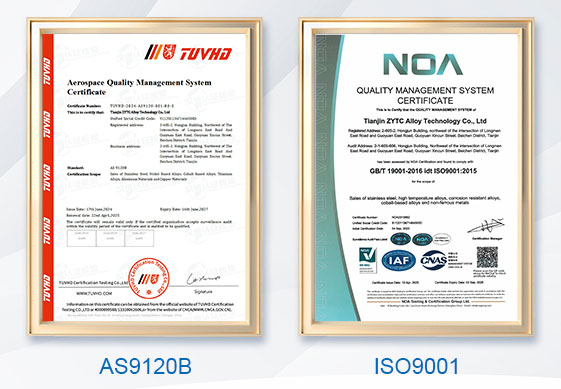 |
The Selection Question: When B-2, When Not?
Alloy B-2's protection mechanism is fundamentally different from stainless steels. It contains essentially no chromium (≤1.0%), relying on molybdenum for corrosion resistance in non-oxidizing environments. This is both its strength and its limitation.
B-2 is the right choice when:
The process stream is hydrochloric acid at any concentration, including hot, aerated HCl where most alloys fail
The environment is dilute sulfuric acid, phosphoric acid, or other reducing acids
The service temperature is below approximately 800°C in reducing atmospheres
You need resistance to pitting and stress corrosion cracking in chloride-bearing reducing media
B-2 is the wrong choice when:
The environment contains oxidizing species: ferric or cupric ions, dissolved oxygen, or other oxidizers. In these conditions, B-2 can suffer accelerated attack. Alloy C-276 is the appropriate alternative.
The process cycles between oxidizing and reducing conditions. B-2 is optimized for steady reducing service; C-276's chromium content provides the versatility B-2 lacks.
The economic logic: In pure reducing acid service, B-2 often outperforms C-276 at a lower cost. The decision hinges on whether your process is truly, consistently reducing.
Fabrication: Welding Without Destroying Corrosion Resistance
The low carbon content (≤0.01%) of B-2 is a deliberate design feature: it minimizes grain-boundary carbide precipitation during welding, eliminating the need for post-weld heat treatment in most cases. However, the high molybdenum content introduces a different risk.
Welding considerations:
Low heat input is mandatory. High heat input promotes the formation of undesirable intermetallic phases (such as Ni-Mo phases) in the weld heat-affected zone, which can reduce corrosion resistance and ductility.
Controlled interpass temperature must be maintained. Do not allow the workpiece to overheat between passes.
GTAW (TIG) and GMAW (MIG) are both suitable, using matching filler metal.
Post-weld heat treatment is generally not required for the low-carbon B-2 grade, unlike older B alloy. This is a significant fabrication advantage.
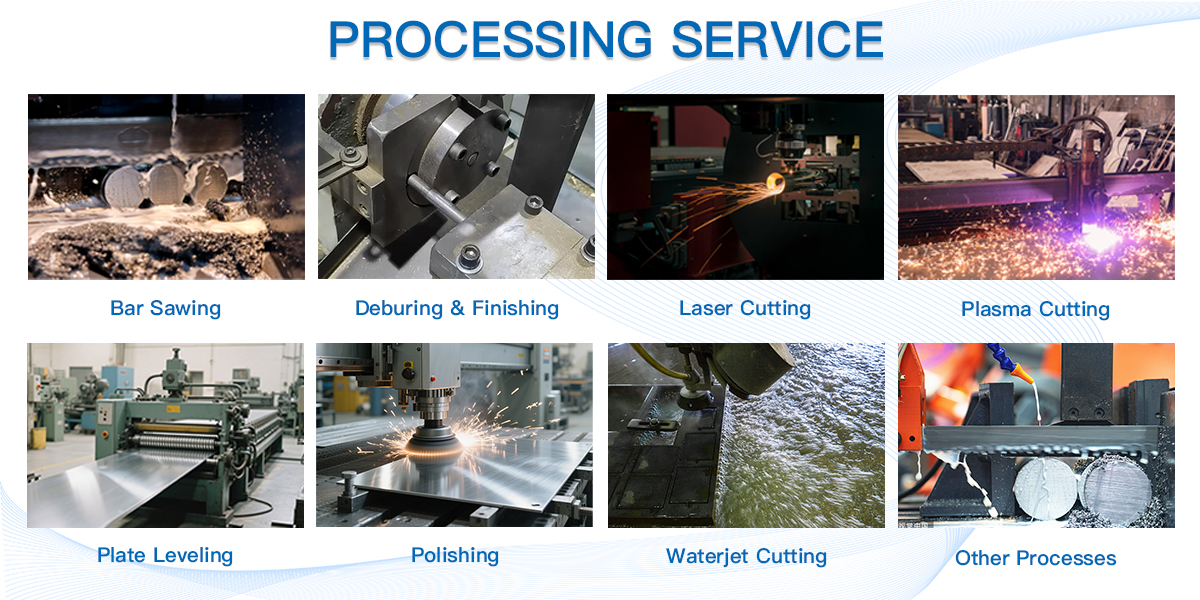
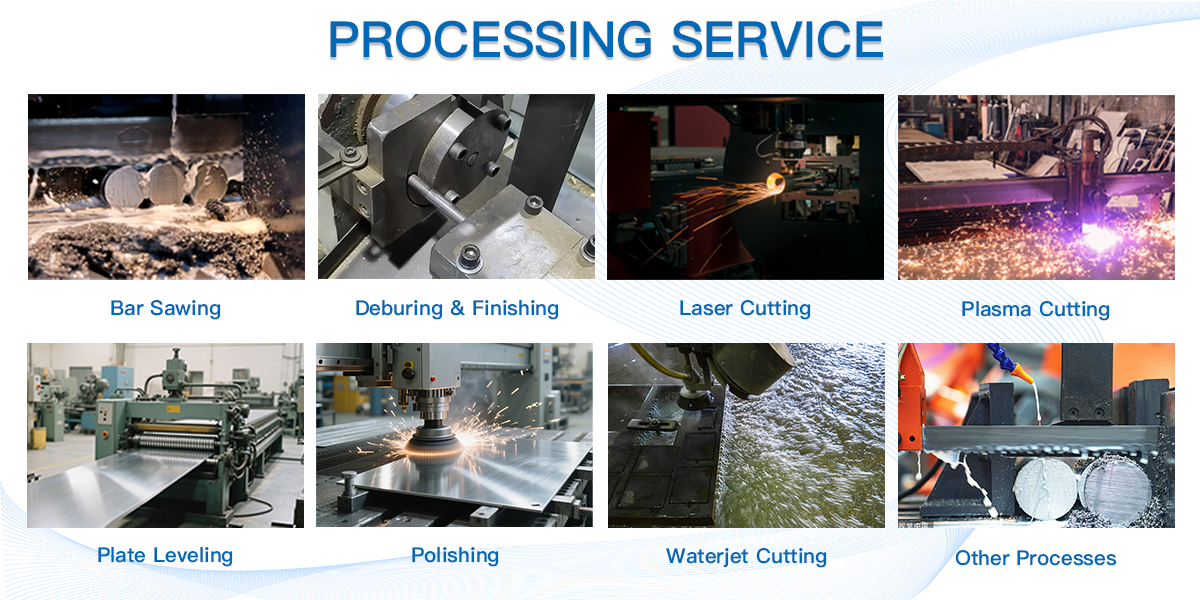
Machining note: B-2 work-hardens readily. Rigid setups, sharp tooling, and generous coolant are required to avoid surface hardening and tool wear.
B-2 vs.C-276vs.B-3: A Practical Comparison
| Consideration | Alloy B-2 (N10665) | Alloy C-276 (N10276) | Alloy B-3 (N10675) |
|---|
| Primary protection | Molybdenum (~28%) | Molybdenum + Chromium (~16% Cr) | Molybdenum + controlled chemistry |
| Reducing acids (HCl) | Excellent | Good | Excellent |
| Oxidizing media | Not recommended | Excellent | Improved vs. B-2 |
| Oxidizing/reducing cycling | Not suitable | Suitable | Better than B-2 |
| Weldability | Good (low C, no PWHT) | Good | Improved (better thermal stability) |
| Relative cost | Lower | Higher | Moderate–high |
| When to choose | Pure, consistent reducing acid service | Mixed or uncertain environments | B-2 service but with fabrication or thermal stability concerns |
The B-3 distinction: Alloy B-3 was developed to improve upon B-2's fabrication characteristics and thermal stability, offering better resistance to the formation of deleterious phases during welding and forming. If your application is otherwise suited to B-2 but you have concerns about weld zone properties or elevated-temperature exposure during fabrication, B-3 is worth evaluating.
Typical Service Environments
Chemical processing: Reactor vessels, heat exchangers, piping systems, acid storage tanks handling HCl and reducing acids
Petrochemical: Equipment exposed to reducing process streams
Pharmaceutical: Processing equipment where contamination from corrosion products is unacceptable
ZYTC's Verification for B-2
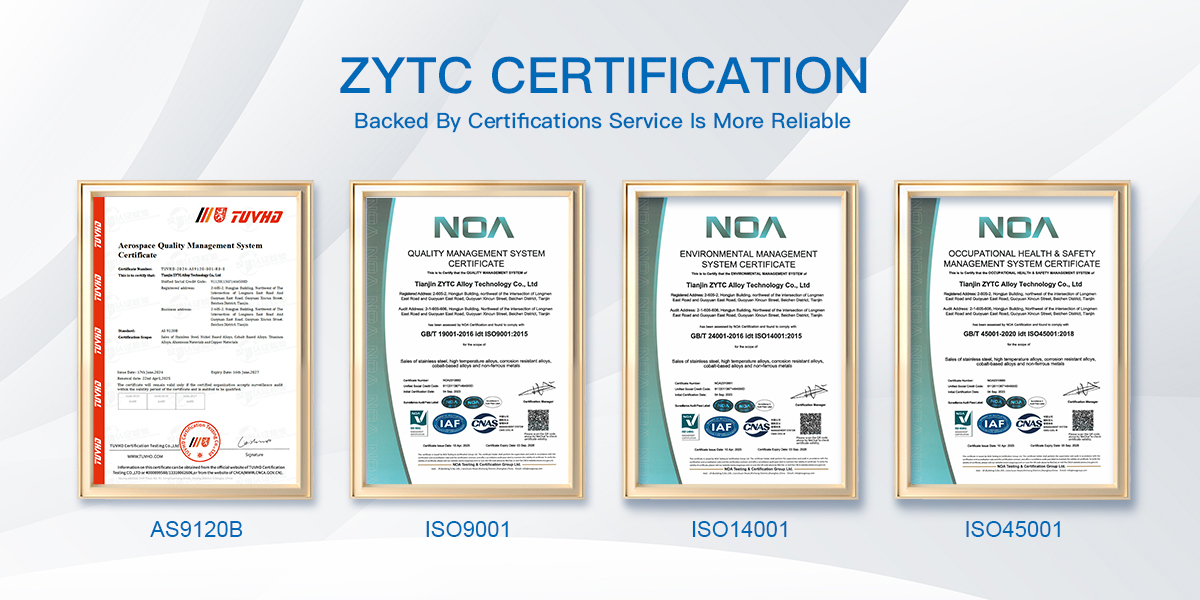
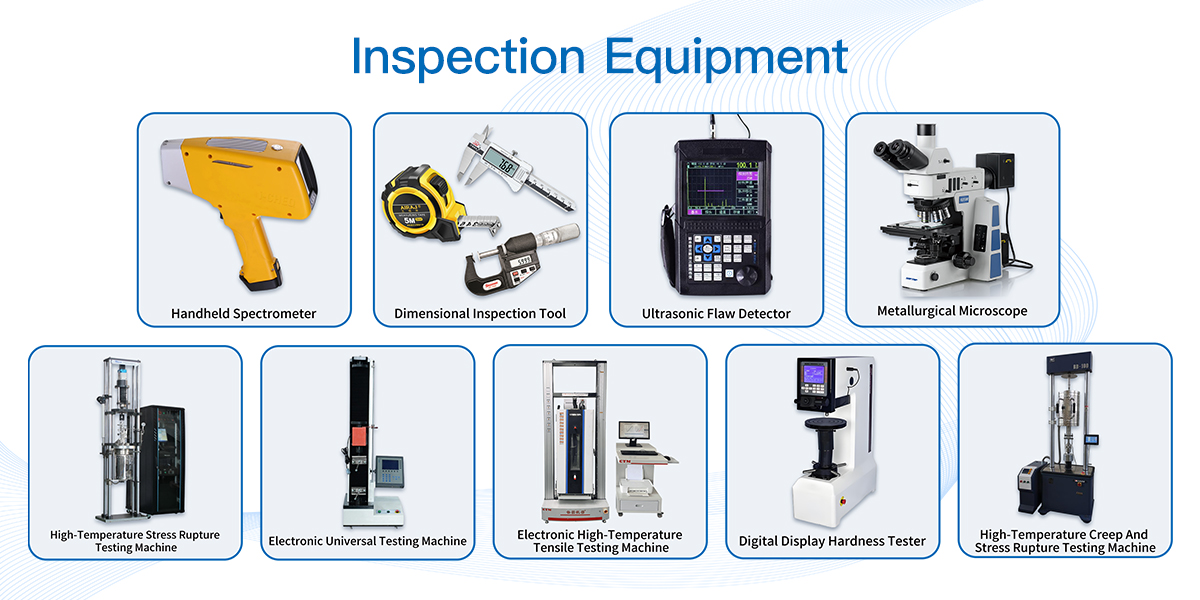
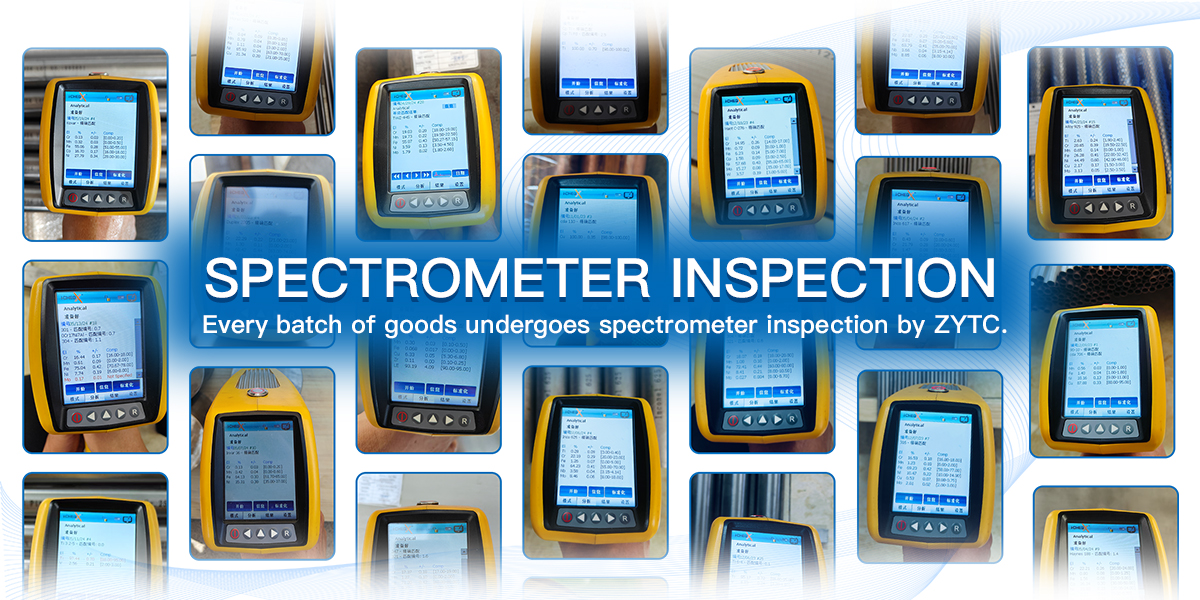
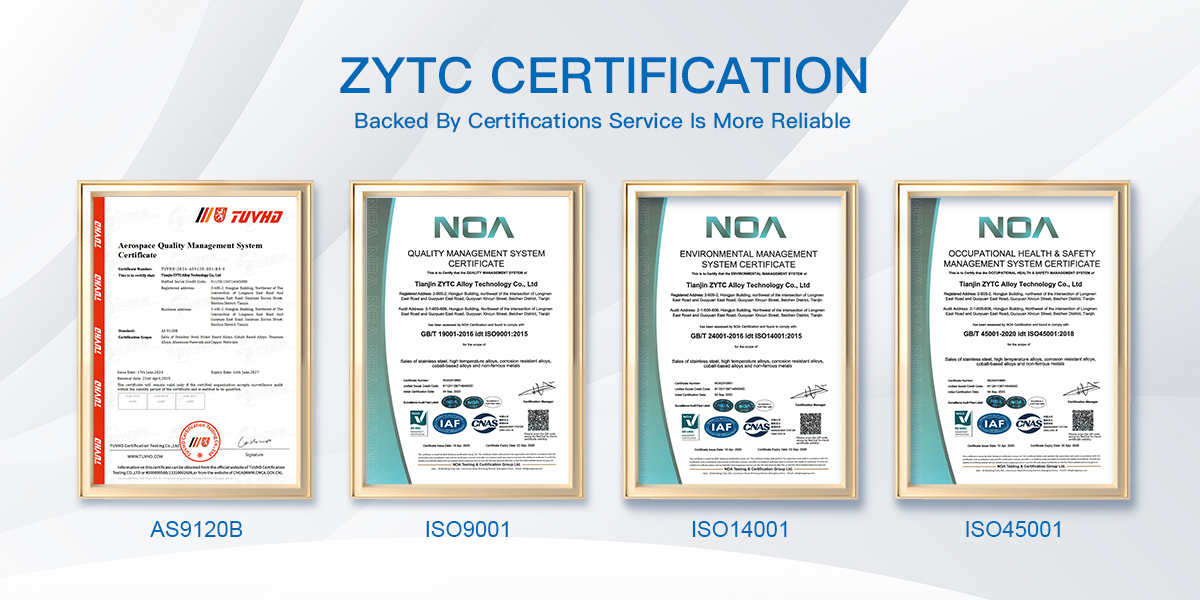
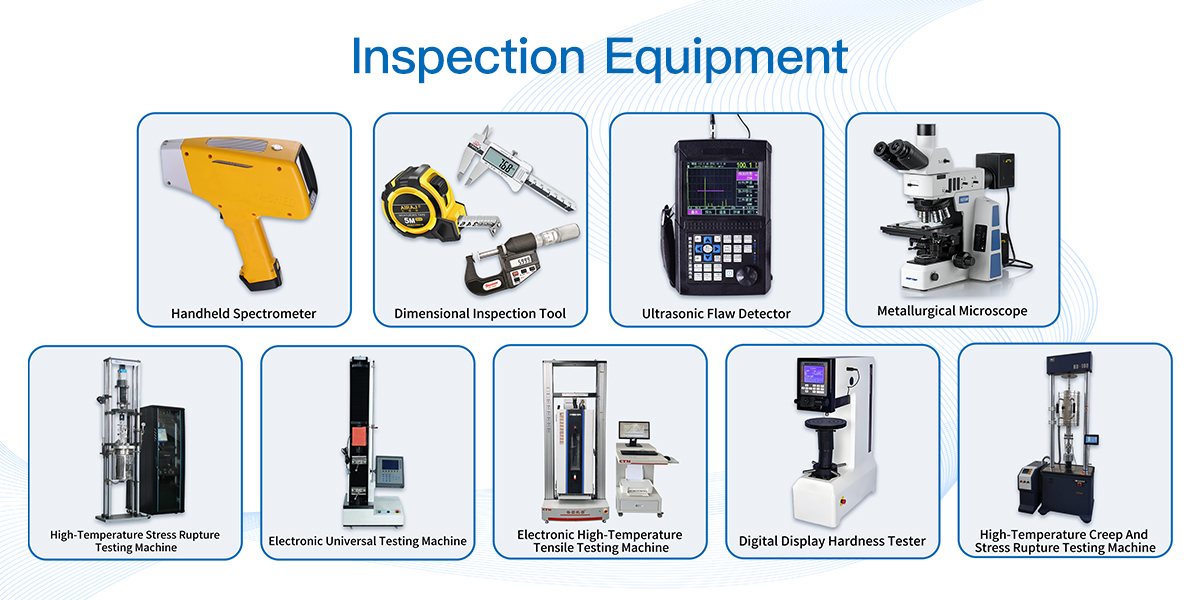
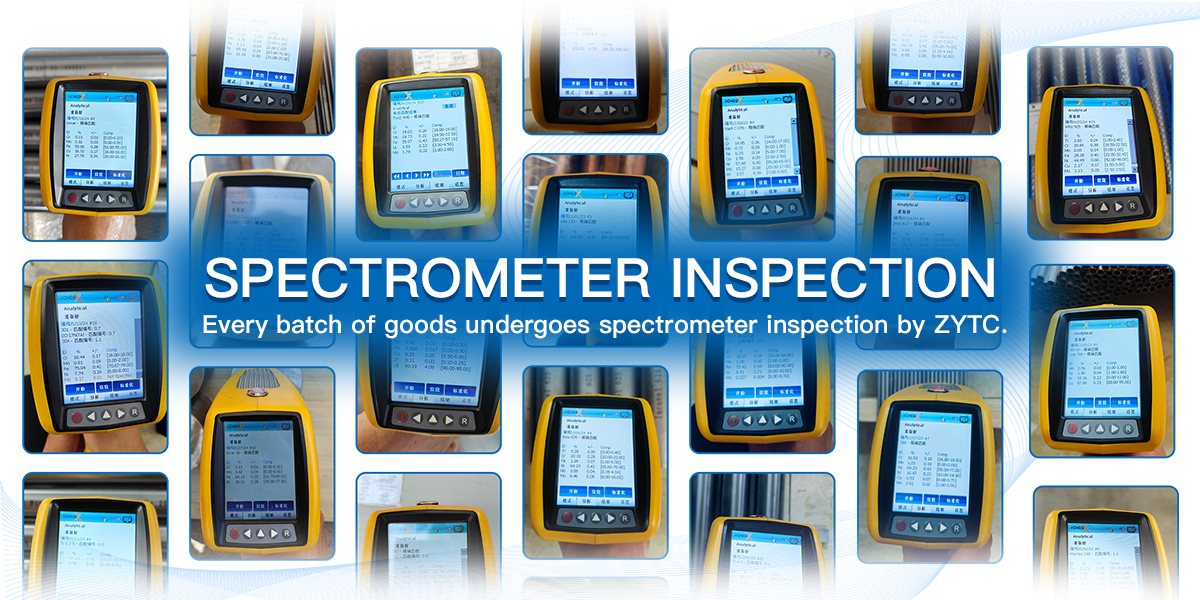
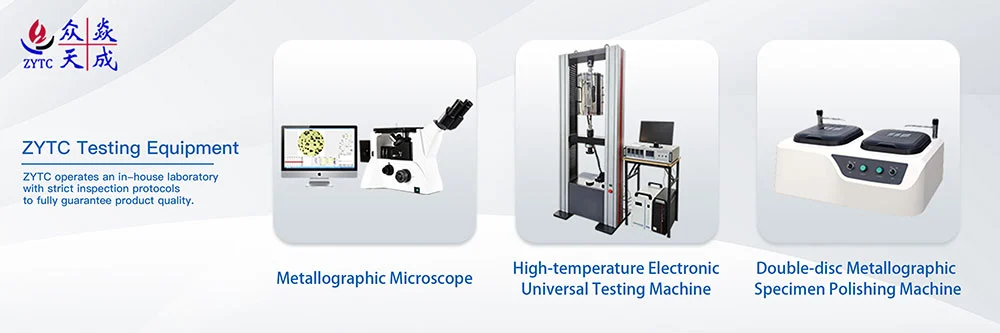
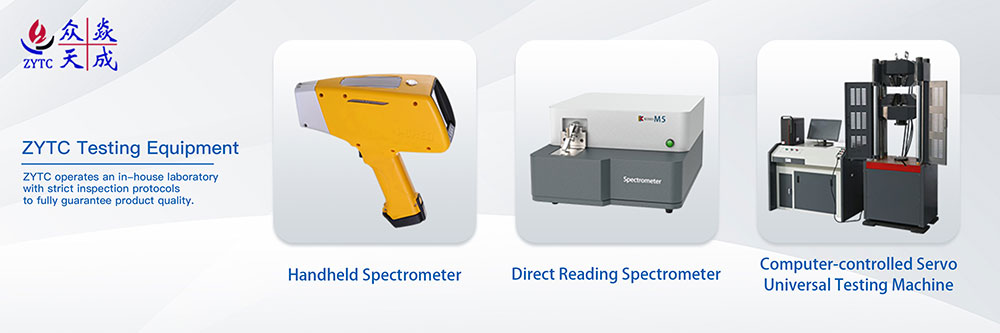
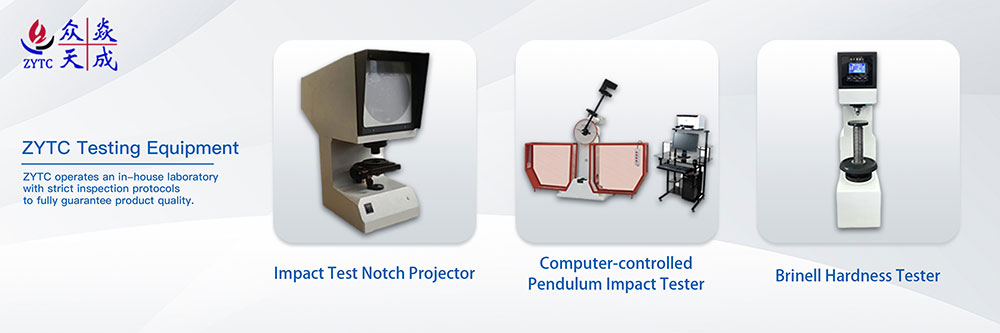
For high-molybdenum alloys, confirming the Mo content is directly tied to corrosion performance. Every batch of Alloy B-2 supplied by ZYTC is verified using Direct Reading Spectrometry to confirm the molybdenum range (26–30%) and monitor carbon at the ≤0.01% level that ensures weldability. Mechanical properties are verified on Universal Testing Machines to confirm tensile and yield strength meet ASTM requirements.
Request a Quote or Technical Consultation
To help us recommend the right alloy and form for your process, please provide:
Process chemistry: Acid type, concentration, temperature, and presence of oxidizing species
Required form: Plate, sheet, pipe, fittings, or forgings
Governing standard: ASTM B333 (plate/sheet), ASTM B619/B622 (pipe), or other
Quantity (kg or pieces)
Certification requirements
📧Email:daisy@zytcsteel.com
📱WhatsApp/WeChat: +86 17335753350