Kovar Plate, Sheet & Strip – AMS 7728 (UNS K94610 / 1.3981)
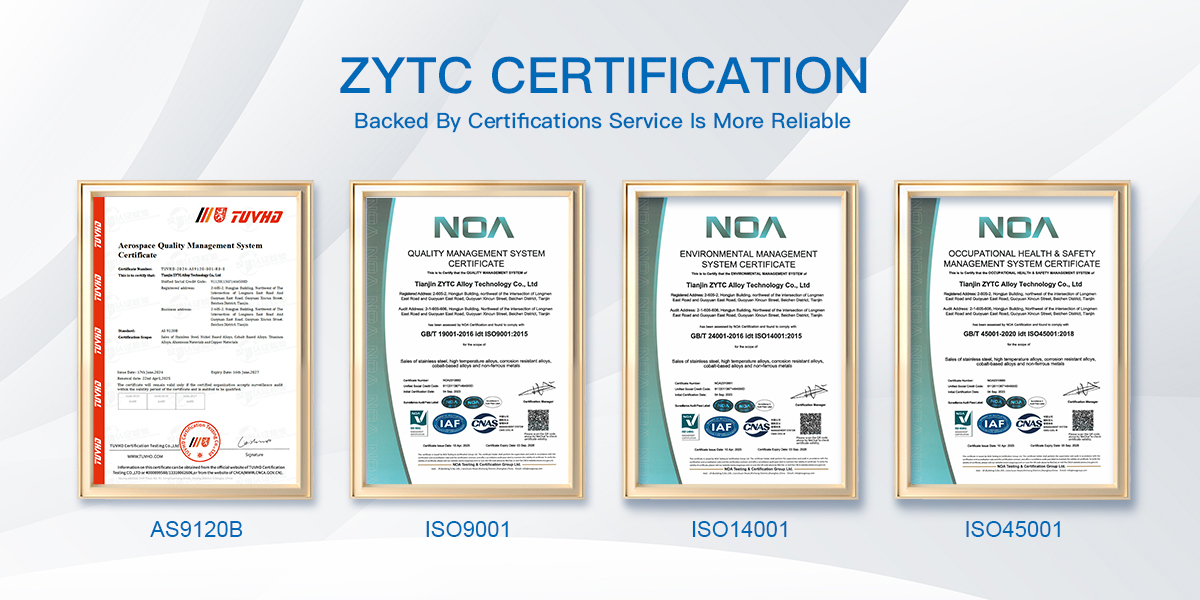
ZYTC Alloy is an ISO 9001 and AS 9120B certified manufacturer and supplier of controlled-expansion alloys, offering Kovar sheet, strip and plate to AMS 7728 at factory-direct prices, with full melt-to-delivery traceability and short lead times.
Kovar® (UNS K94610 / W.Nr. 1.3981 / 4J29) is a 53Fe – 29Ni – 17Co controlled-expansion alloy. Its coefficient of thermal expansion decreases as temperature rises towards the inflection point near 400–450 °C, and is engineered to match the expansion behaviour of borosilicate (hard) glasses and, with metallising, alumina ceramics. That match is what makes a stress-controlled, hermetic and thermal-shock-resistant glass-to-metal seal possible. Kovar® is a registered trademark of Carpenter Technology Corporation, used here for grade identification only.
AMS 7728 is the SAE aerospace specification that covers this alloy specifically in sheet, strip and plate form, supplied annealed. It is the specification normally called out for stamped, blanked and photo-etched parts — IC lead frames, TO-type headers, package bases and covers, seal eyelets and vacuum envelope components — where thin gauge, flatness and a repeatable expansion curve matter more than tensile strength.
Specifications – Kovar Sheet, Strip & Plate (AMS 7728)
| Standard | Product Form | Description |
|---|---|---|
| UNS K94610 | – | Unified numbering system |
| AMS 7728 | Sheet, strip, plate | Aerospace specification, annealed — latest revision: J (2017) |
| AMS 7727 | Bar, rod, forgings | Same alloy, long product forms |
| AMS 7726 | Wire | Same alloy, wire form, annealed |
| ASTM F15 | Bar, rod, wire, tube, sheet, strip | General-purpose glass/ceramic sealing alloy |
| MIL-I-23011 Class 1 | – | US military specification, Class 1 composition |
| W.Nr. 1.3981 / DIN 17745 | – | German designation |
| AFNOR NF A54-301 | – | French designation |
| 4J29 | – | Chinese equivalent grade for expansion sealing alloy |
Physical Data
| Chemical Composition (Weight %) | AMS 7728 / ASTM F15 |
|---|---|
| Nickel (Ni) | 28.5 – 29.5 (nominal 29.0) |
| Cobalt (Co) | 16.5 – 17.5 (nominal 17.0) |
| Iron (Fe) | Balance (approx. 53) |
| Carbon (C) | 0.04 max. |
| Manganese (Mn) | 0.50 max. |
| Silicon (Si) | 0.20 max. |
| Chromium (Cr) | 0.20 max. |
| Aluminum (Al) | 0.10 max. |
| Magnesium (Mg) | 0.10 max. |
| Zirconium (Zr) | 0.10 max. |
| Titanium (Ti) | 0.10 max. |
| Copper (Cu) | 0.20 max. |
| Molybdenum (Mo) | 0.20 max. |
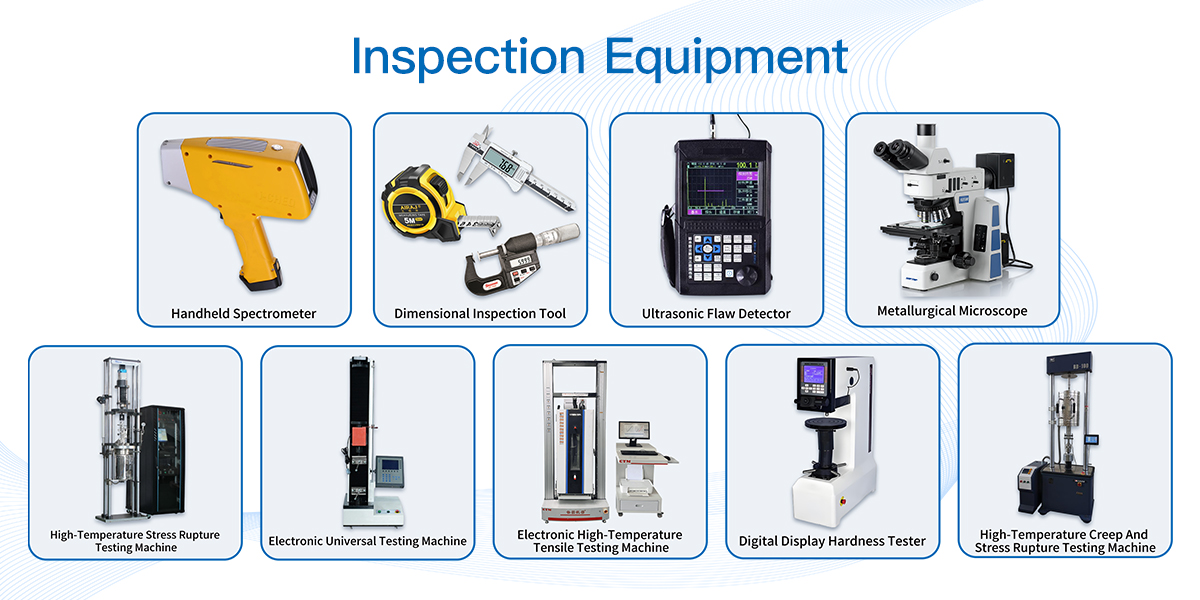
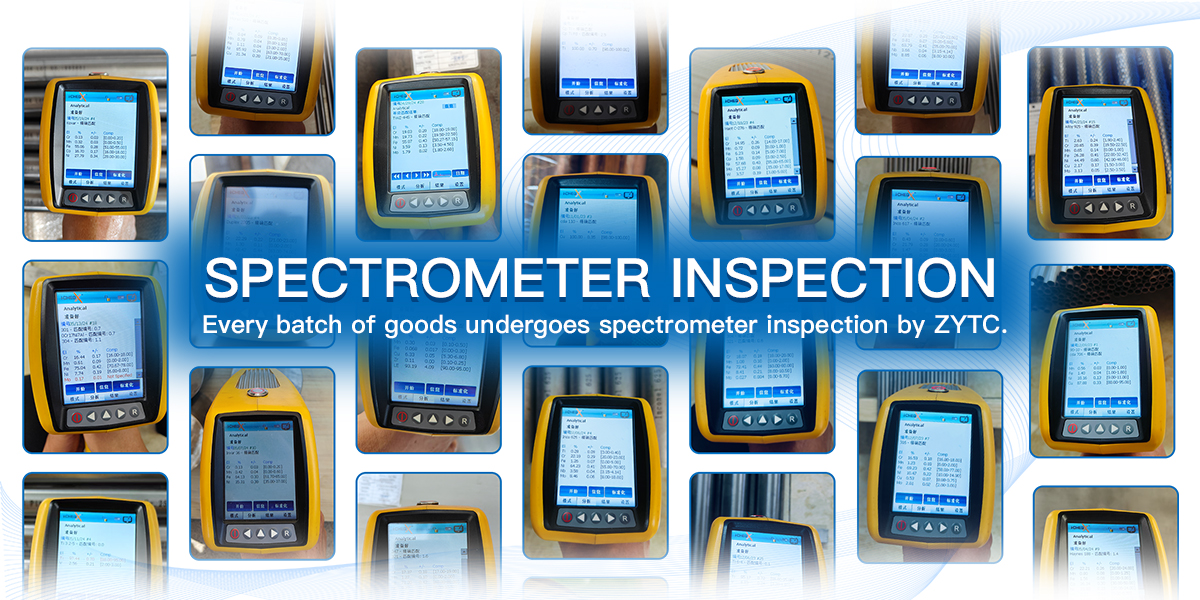
Tight control of Ni, Co and the residual elements is the whole point of this alloy: it is the residuals (C, Mn, Si, Al, Ti) that shift the expansion curve, so we report them per heat on the mill certificate.
| Physical Properties | Metric | Imperial |
|---|---|---|
| Density | 8.36 g/cm³ | 0.302 lb/in³ |
| Melting Range | approx. 1450 °C | 2640 °F |
| Curie Temperature | 435 °C | 815 °F |
| Modulus of Elasticity | 138 GPa | 20.0 × 10⁶ psi |
| Thermal Conductivity (20 °C) | 17.3 W/m·K | 120 BTU·in/hr·ft²·°F |
| Electrical Resistivity (20 °C) | 0.49 µΩ·m | 49 µΩ·cm |
| Poisson’s Ratio | 0.317 | 0.317 |
| Hardness (annealed) | 78 – 80 HRB | 78 – 80 HRB |
| Coefficient of Thermal Expansion (typical) | µm/m·°C | µin/in·°F |
|---|---|---|
| 20 °C → 100 °C | 5.5 – 6.0 | 3.1 – 3.3 |
| 20 °C → 200 °C | 5.2 – 5.5 | 2.9 – 3.1 |
| 20 °C → 300 °C | 5.1 | 2.8 |
| 20 °C → 400 °C | 4.9 – 5.1 | 2.7 – 2.8 |
| 20 °C → 450 °C | 5.3 | 2.9 |
| 20 °C → 500 °C | 6.2 – 6.5 | 3.4 – 3.6 |
The dip between 300 °C and 450 °C is the Curie-point anomaly and is a feature of the alloy, not scatter. This is exactly why Kovar is specified as “a match to a named glass” rather than to a single CTE number — the useful parameter is the expansion curve over the sealing cycle, not one average value.
| Mechanical Properties (Annealed, Typical) | Metric | Imperial |
|---|---|---|
| Tensile Strength | 520 MPa | 75 ksi |
| Yield Strength (0.1% offset) | 340 MPa | 49 ksi |
| Elongation | 42% | 42% |
| Hardness | 78 – 80 HRB | 78 – 80 HRB |
Values above are typical for annealed material and are given as a design guide. Acceptance values are those stated in AMS 7728 and on the purchase order; request the certified test report for the actual lot.
Sealing to Hard Glass and Alumina Ceramics
Kovar is used almost exclusively as the metal half of a matched seal: the metal and the glass expand and contract together through the sealing cycle, so the glass stays in mild compression and the seal survives thermal shock. It is matched to borosilicate hard glasses of the Corning 7052 / 7056 / 7070 family, and — after Mo-Mn metallising and brazing — to 95% and 99% alumina ceramics.
Three process steps decide whether the seal holds, and all three are sensitive to the surface condition of the strip or plate you start with:
1. Decarburising anneal. Fabricated parts are degreased and annealed in wet hydrogen (controlled dew point) to remove carbon picked up during stamping and to relieve cold work. Carbon left on the surface is the single most common cause of poor wetting and blistered seals.
2. Controlled oxidation. A thin, tightly adherent Fe₃O₄ film — dark grey to light brown — is grown in a controlled atmosphere or in air at roughly 650–700 °C. A red, powdery Fe₂O₃ scale, or a film that flakes, will not bond to the glass.
3. Furnace cooling in the same atmosphere to below about 300 °C before the parts see air, so the oxide is not disturbed while the part is still soft.
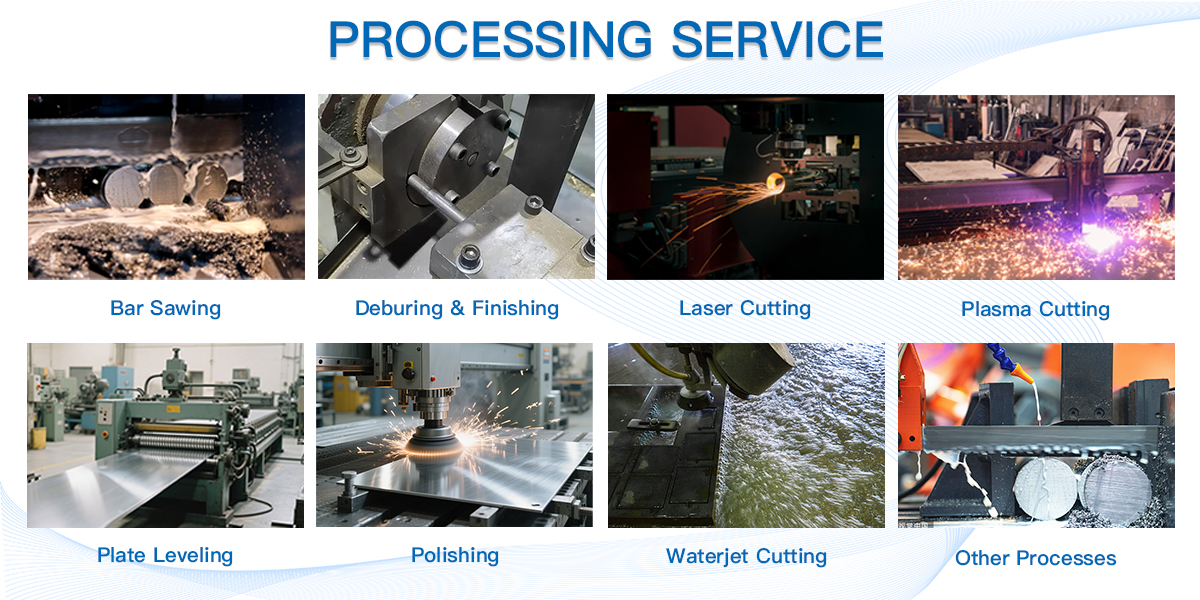
For photo-etched and stamped parts we can supply bright annealed, low-roughness strip with controlled edge burr, which reduces the amount of mechanical polishing needed before sealing and keeps the oxide film uniform.
Applications
IC lead frames and package bases: stamped and photo-etched frames for ceramic and glass-sealed packages
TO-type headers and transistor outlines: eyelets, rings and base plates sealed to hard glass
Vacuum and microwave tubes: klystron, magnetron and TWT envelopes, cavity parts, output windows
X-ray tube and image intensifier components: envelope sections and electrode feedthroughs
Reed switches and relays: glass-to-metal end caps and lead seals
Hermetic connectors and feedthroughs: sensor housings, connector shells, instrument packages
Optoelectronic and laser packages: windows, caps and submount carriers where dimensional stability under thermal cycling is critical
Photography flash bulbs and specialty lamps: the classic historical application, still a live market for Kovar strip
Fabrication, Heat Treatment & Specification Comparison
Annealing. General anneal at 800–900 °C (1470–1650 °F) for about 1 hour in dry hydrogen or vacuum, then furnace cool to below 300 °C; thin strip may be fast-cooled. For parts where the expansion curve is critical, a wet-hydrogen (decarburising) anneal is used instead — hold at about 900 °C, raise briefly to about 1100 °C at a controlled dew point, then cool in the furnace atmosphere.
Cold forming: excellent for stamping, blanking, deep drawing and photo-etching; inter-stage anneals are needed once cold reduction exceeds roughly 50%.
Machining: gummy and work-hardening — use sharp high-speed steel or carbide, low surface speed, generous chip load and sulphur-free coolant (sulphur contaminates the surface and attacks the seal).
Welding: resistance, laser and electron-beam welding are preferred; fusion welding needs a matching Ni-Fe-Co filler and a full post-weld anneal to restore the expansion curve.
Cleaning: degrease and pickle or bright-anneal before sealing; avoid chlorine- and sulphur-bearing residues.
| Specification | Forms Covered | Condition | Typical Use |
|---|---|---|---|
| AMS 7728 | Sheet, strip, plate | Annealed | Lead frames, headers, package parts, etched components |
| AMS 7727 | Bar, rod, forgings | As ordered | Machined seal rings, electrodes, vacuum hardware |
| AMS 7726 | Wire | Annealed | Pins, leads, eyelets |
| ASTM F15 | Bar, rod, wire, tube, sheet, strip | Various | General industrial glass/ceramic sealing, non-aerospace |
| MIL-I-23011 Class 1 | Semi-finished forms | Various | Military procurement, legacy drawings |
| 4J29 | Semi-finished forms | Various | Chinese domestic equivalent, widely used in local supply chains |
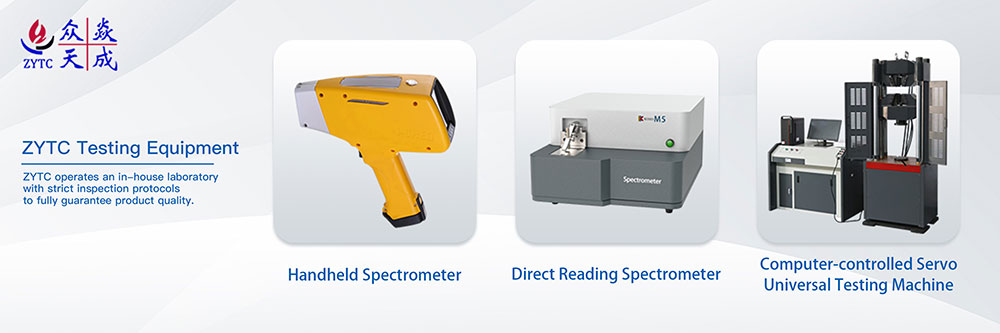
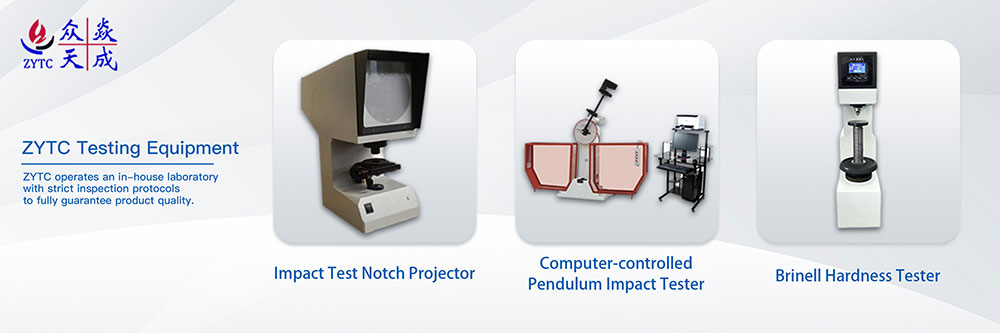
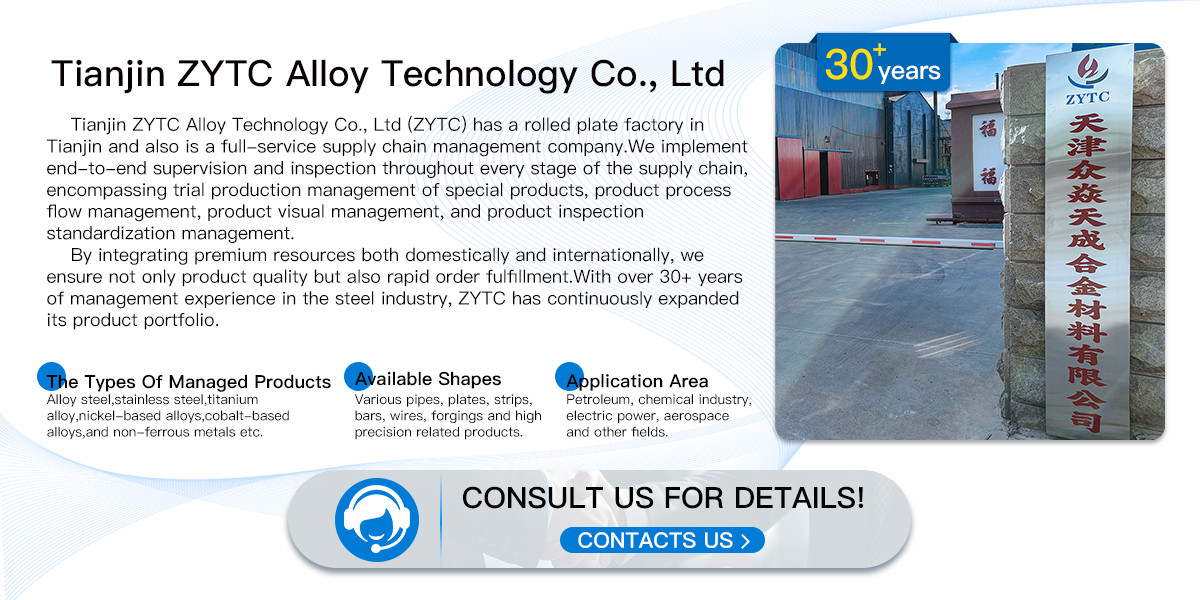
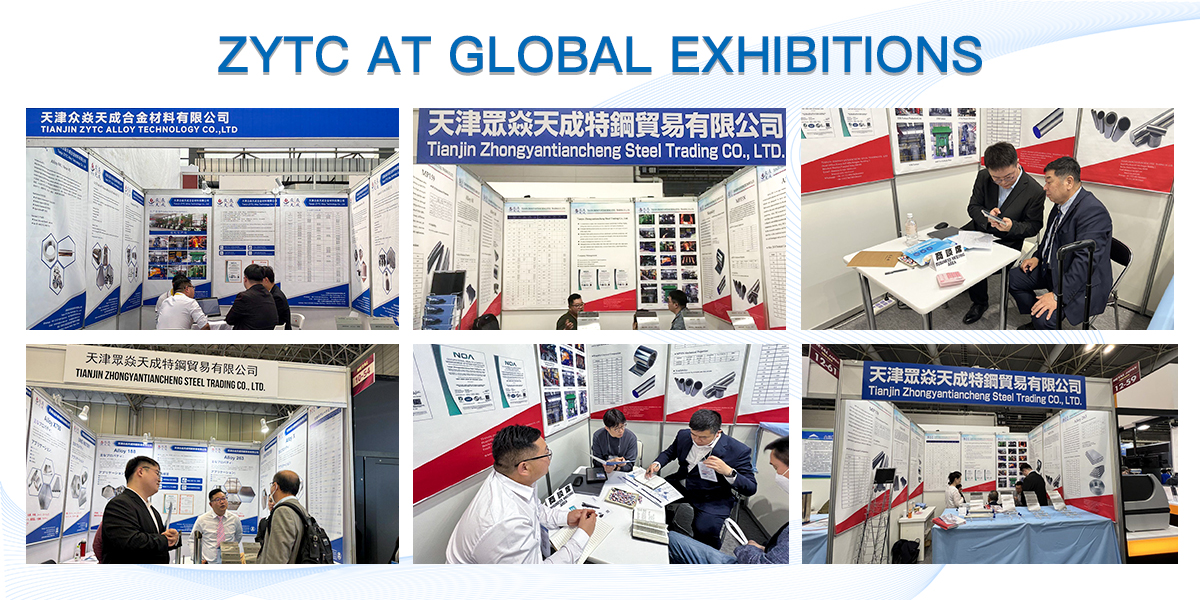
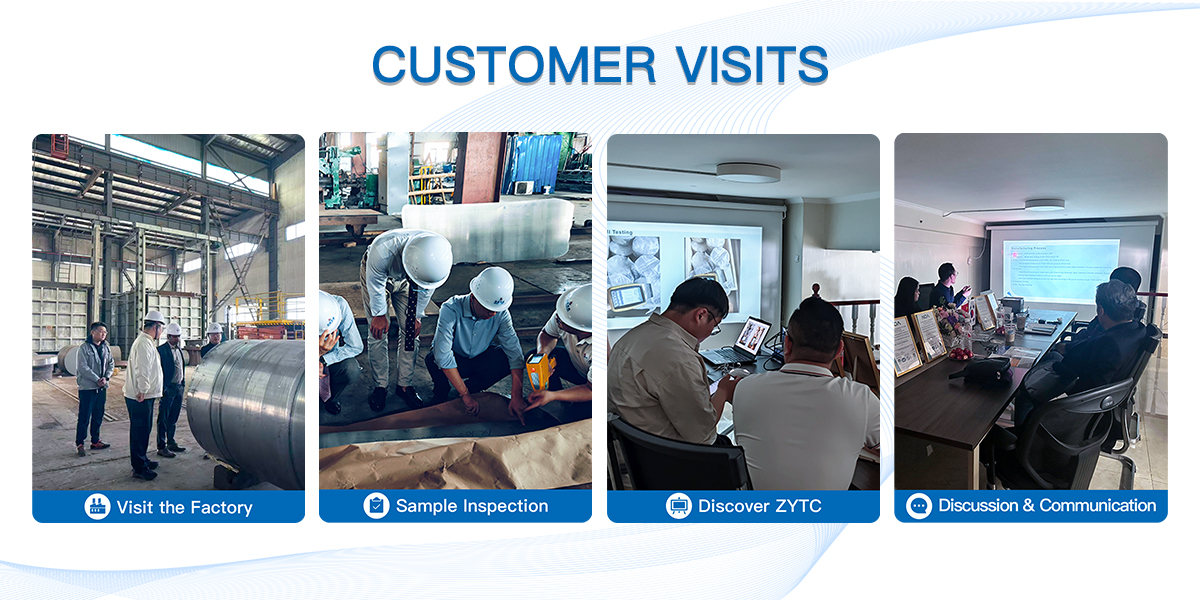
Why Choose ZYTC Alloy?ZYTC Alloy is an AS9120B and ISO 9001 dual-certified supplier and manufacturer based in China, supplying controlled-expansion and superalloy materials to electronics, aerospace, vacuum-device and medical customers worldwide. For long products, the discipline is metallurgical consistency: the tenth bar has to machine and seal like the first one. Our advantages: ✅ AS9120B and ISO 9001 certified — documented quality system, aviation supply chain accepted ✅ Full traceability from melt to delivery, heat number marked on every bar ✅ EN 10204 3.1 inspection certificates as standard; 3.2 on request ✅ Chemistry, hardness and grain size reported per heat; expansion test data on request ✅ Peeled, turned, cold-drawn or ground finishes to suit your machining route ✅ Matching flat product from the same melt — strip and plate to AMS 7728, wire to AMS 7726H ✅ Small quantity orders from 50 kg, with stock items shipped in 7–10 days |