Kovar Bar, Rod & Forging – AMS 7727 (UNS K94610 / 1.3981)
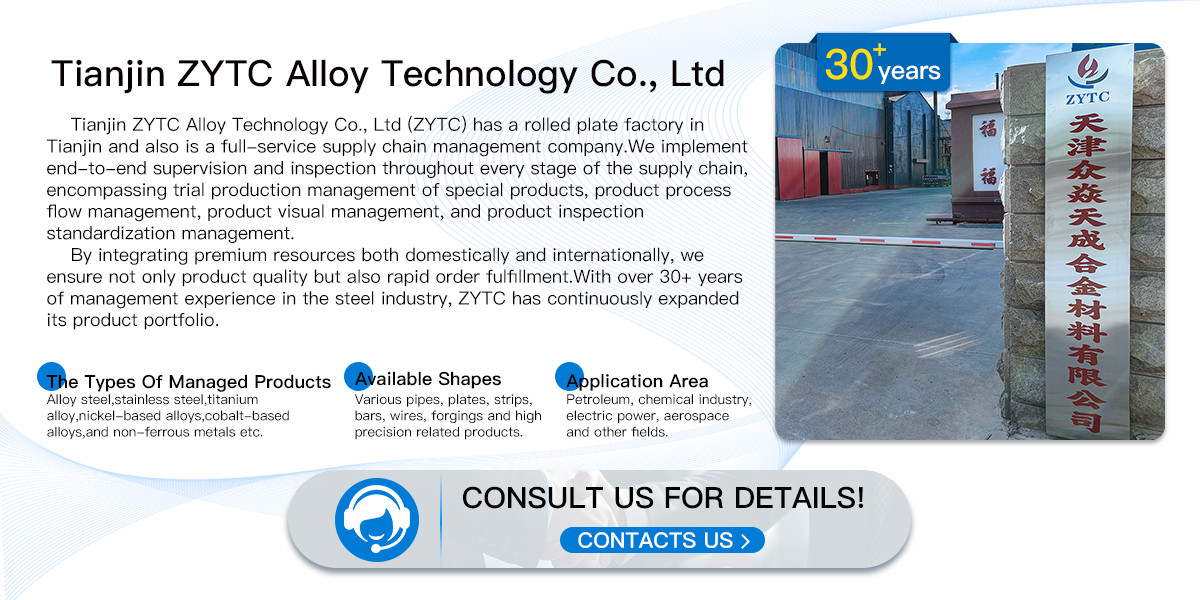
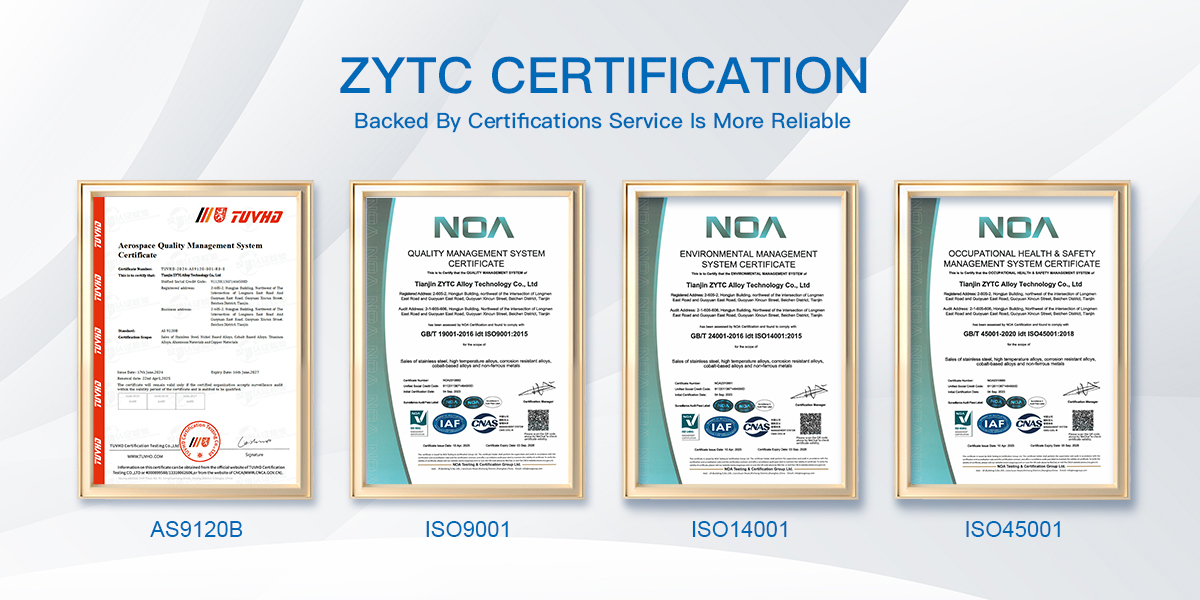
ZYTC Alloy is an ISO 9001 and AS 9120B certified manufacturer and supplier of controlled-expansion alloys, offering Kovar bar, rod and forging stock to AMS 7727 at factory-direct prices, with full melt-to-delivery traceability and short lead times. Kovar® (UNS K94610 / W.Nr. 1.3981 / 4J29) is a 53Fe – 29Ni – 17Co controlled-expansion alloy whose expansion curve is matched to borosilicate hard glasses and, after metallising, to alumina ceramics. Where the sheet and strip specification (AMS 7728) serves stamped and etched parts, AMS 7727 covers the long products — bar, rod and forgings — used for machined seal rings, electrode stems, flange bodies and vacuum hardware. Kovar® is a registered trademark of Carpenter Technology Corporation, used here for grade identification only. The difference matters in practice: a machined ring and a stamped frame may end up in the same seal assembly, and they must come from melts with the same expansion behaviour. We supply both forms and will match the heat numbers on request when a customer is building a sealed assembly from bar plus strip. Specifications – Kovar Bar, Rod & Forgings (AMS 7727)
Physical Data
Machining, Forging & Heat TreatmentMachinability. Kovar behaves like a gummy austenitic alloy: it work-hardens under a dull edge and smears rather than chips. Use sharp high-speed steel or carbide, keep the tool engaged, take a generous depth of cut and never dwell. Threads and fine bores are best finished in one pass after a stress-relief anneal. Coolant. Use sulphur-free and chlorine-free coolant. Sulphur is the one contaminant that will follow a part all the way to the sealing furnace and ruin the oxide film; parts machined with sulphurized oil need a full degrease and anneal before sealing. Stress relief and annealing. General anneal at 800–900 °C (1470–1650 °F) for about 1 hour in dry hydrogen or vacuum, then furnace cool to below 300 °C. Stress relief after machining or drawing: 650–760 °C (1200–1400 °F). Where the expansion curve is critical, use a wet-hydrogen (decarburising) anneal: hold near 900 °C, raise briefly to about 1100 °C, then cool in the furnace atmosphere to below roughly 300 °C. Forging. Hot work in the range 1090–1200 °C (2000–2190 °F) and finish above about 900 °C; re-anneal after forging to restore the expansion properties. Heavy reductions below 900 °C will leave residual stress that shows up later as distortion at the sealing temperature. Welding and brazing. Resistance, laser and electron-beam welding are preferred. Fusion welding needs a matching Ni-Fe-Co filler plus a full post-weld anneal, otherwise the heat-affected zone no longer matches the glass. ApplicationsMachined seal rings and flanges: the metal half of matched seals in instrument and sensor housings Electrode stems and pins: ground bar for glass-sealed electrodes in lamps, tubes and discharge devices Vacuum and microwave tube hardware: klystron and TWT cavity bodies, tuner parts, pole pieces X-ray and accelerator components: envelope bodies, feedthrough bodies, flange adaptors Hermetic connector bodies: machined shells and eyelets for multi-pin feedthroughs Semiconductor and laser equipment: electrode and carrier parts where thermal expansion must track a glass or ceramic counterpart Repair and refurbishment: replacement rings and stems for legacy vacuum equipment, where the original drawing is often MIL-I-23011 Class 1 Which Form Should You Buy? — Selection Guide
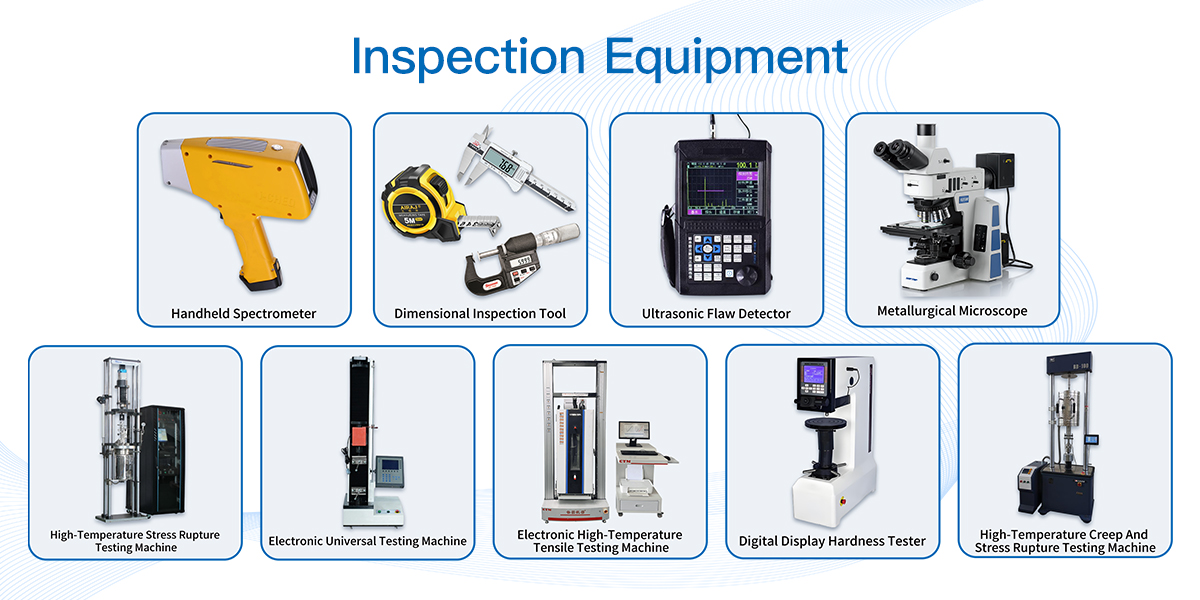
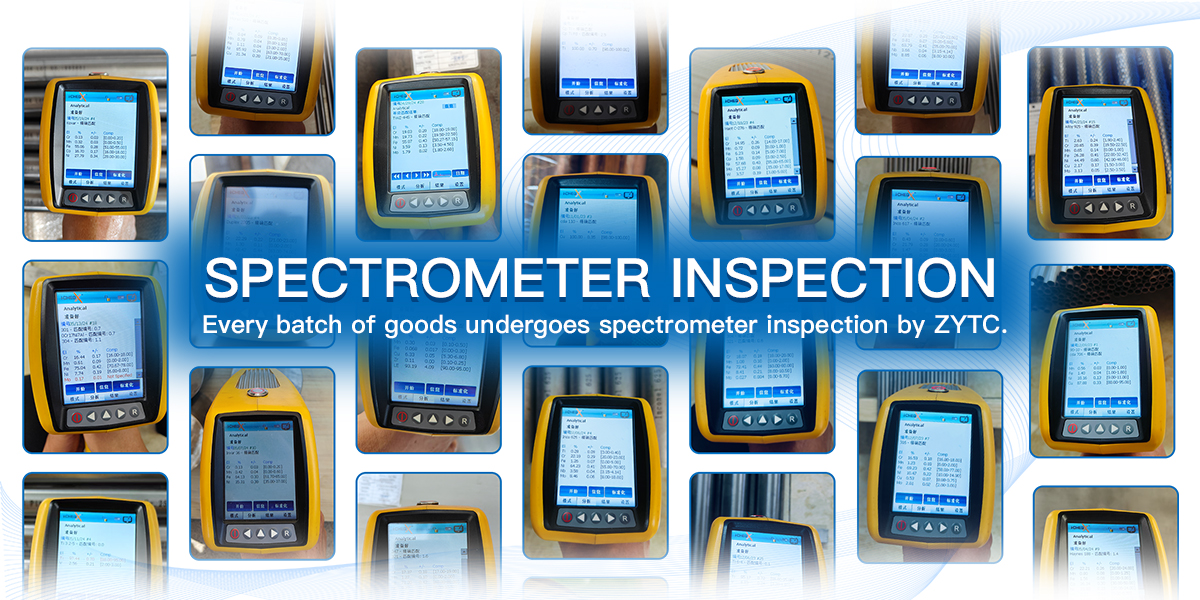
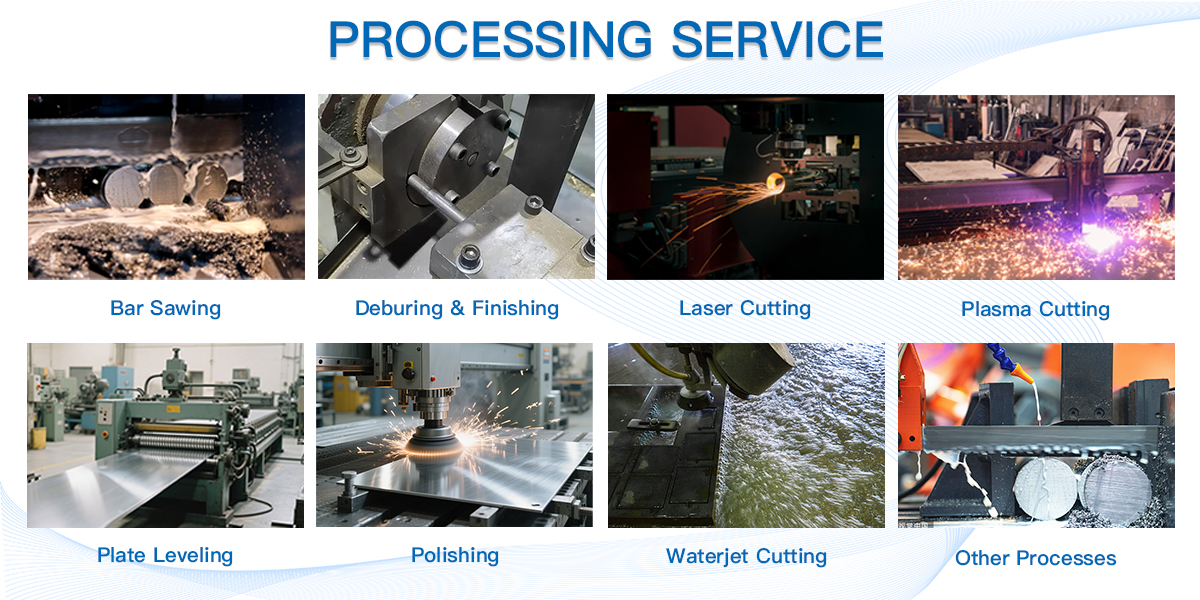
Why Choose ZYTC Alloy?ZYTC Alloy is an AS9120B and ISO 9001 dual-certified supplier and manufacturer based in China, supplying controlled-expansion and superalloy materials to electronics, aerospace, vacuum-device and medical customers worldwide. For long products the discipline is metallurgical consistency: the tenth bar has to machine and seal like the first one. Our advantages: ✅ AS9120B and ISO 9001 certified — documented quality system, aviation supply chain accepted ✅ Full traceability from melt to delivery, heat number marked on every bar ✅ EN 10204 3.1 inspection certificates as standard; 3.2 on request ✅ Chemistry, hardness and grain size reported per heat; expansion test data on request ✅ Peeled, turned, cold-drawn or ground finishes to suit your machining route ✅ Matching flat product from the same melt — strip and plate to AMS 7728, wire to AMS 7726 ✅ Small quantity orders from 50 kg, with stock items shipped in 7–10 days |