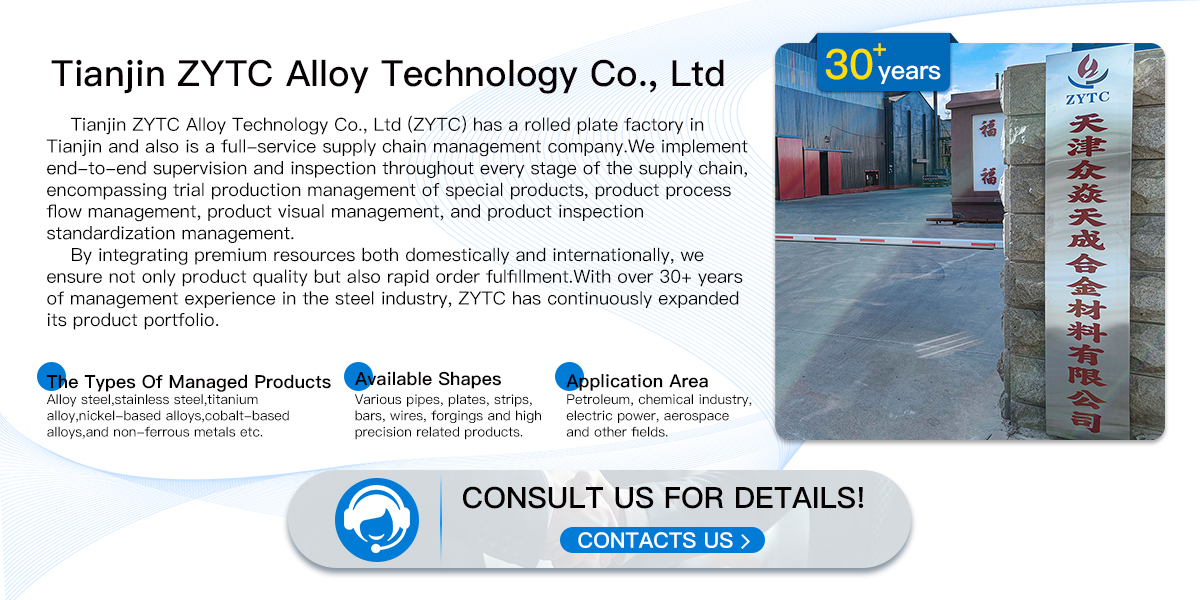
Alloy C-276 (UNS N10276 / 2.4819) nickel alloy offers superior corrosion resistance in severe environments. Ideal for chemical processing, pollution control, FGD systems, & waste treatment. Available in bar, plate, sheet, tube, pipe, & welding products.
Delivery :
FOB
minimum order :
50 kilograms
Supply Ability :
5000kilograms / Month
Stock Time :
7-10Day
Country of Origin :
CHINA
Quantity :
add to cart
Contact Now
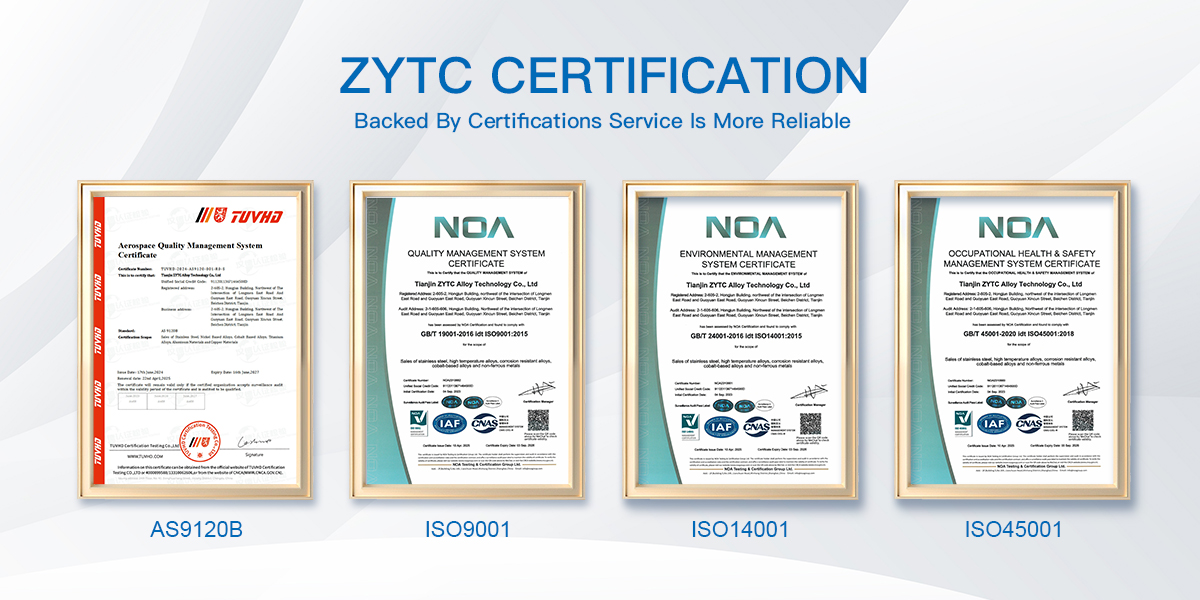
Based in China, ZYTC Alloy supplies Alloy C-276 (UNS N10276 / 2.4819) for applications requiring broad-spectrum corrosion resistance across both reducing and oxidizing environments. The alloy is widely specified in chemical processing, pollution control, and sour gas recovery.
1. Product Specifications & Properties
Alloy C-276 is a nickel-molybdenum-chromium superalloy with added tungsten. The high nickel and molybdenum content provides resistance to pitting and crevice corrosion in reducing conditions, while chromium offers protection in oxidizing media. Low carbon (0.010% max) minimizes carbide precipitation during welding, maintaining corrosion resistance in as-welded structures.
Chemical Composition (%, range)
Element
Content
Nickel, Ni
57 (balance)
Molybdenum, Mo
15.0-17.0
Chromium, Cr
14.5-16.5
Iron, Fe
4.0-7.0
Tungsten, W
3.0-4.5
Cobalt, Co
2.5 max
Carbon, C
0.010 max
Vanadium, V
0.35 max
Mechanical Properties (Typical, varies by form)
Property
Metric
Imperial
Tensile Strength
790 MPa (min)
115,000 psi (min)
Yield Strength (0.2% offset)
355 MPa (min)
52,000 psi (min)
Elastic Modulus (RT)
205 GPa
29,700 ksi
Elongation
40% (min)
40% (min)
Hardness, Rockwell B (plate)
87 (typical)
87 (typical)
2. Operating Conditions & Selection Guidelines
Ideal Media: Resists both oxidizing acids (with chromium contribution) and reducing acids (with molybdenum contribution). Suitable for wet chlorine, hypochlorite, chlorine dioxide, ferric and cupric chlorides, formic and acetic acids, acetic anhydride, and seawater
Critical Advantage: Excellent resistance to pitting, crevice corrosion, and stress corrosion cracking. Maintains corrosion resistance in as-welded condition without post-weld heat treatment for most applications
Temperature Range: Solution annealed at 1121°C (2050°F) with rapid quench. Service temperatures vary by environment; mechanical properties at elevated temperatures available upon request
Common Applications: Flue gas desulfurization components (ducts, scrubbers, stack liners), chemical reactors, heat exchangers, sour gas recovery equipment, pulp and paper digesters, pharmaceutical processing vessels, and waste incineration systems
3. Fabrication & Material Comparison
Heat Treatment: Supplied in solution-annealed condition. Heat treatment during fabrication should follow established procedures to maintain corrosion resistance
Welding Considerations: Readily weldable by GTAW/TIG, GMAW, and SMAW methods. Controlled heat input and interpass temperatures recommended to preserve corrosion properties. Submerged arc welding generally not recommended
Forming & Machining: Suitable for hot and cold forming using conventional methods. Work-hardening requires rigid setups and sharp tooling for machining. Compatible with high-speed steel and carbide tooling
Versus C-22: C-276 remains the industry standard for broad-spectrum corrosion resistance. C-22 offers improved localized corrosion resistance in certain oxidizing media due to higher chromium content
Versus C-4: C-276 provides better resistance to reducing environments due to molybdenum and tungsten content, while C-4 offers enhanced thermal stability for high-temperature applications
Versus 316L Stainless: Significantly superior resistance to chlorides, reducing acids, and localized corrosion. Specified where stainless steels fail within months
Product Forms: Bar (round and flat), sheet, plate, strip, tube, pipe, welding products, forging stock, and custom fabrications
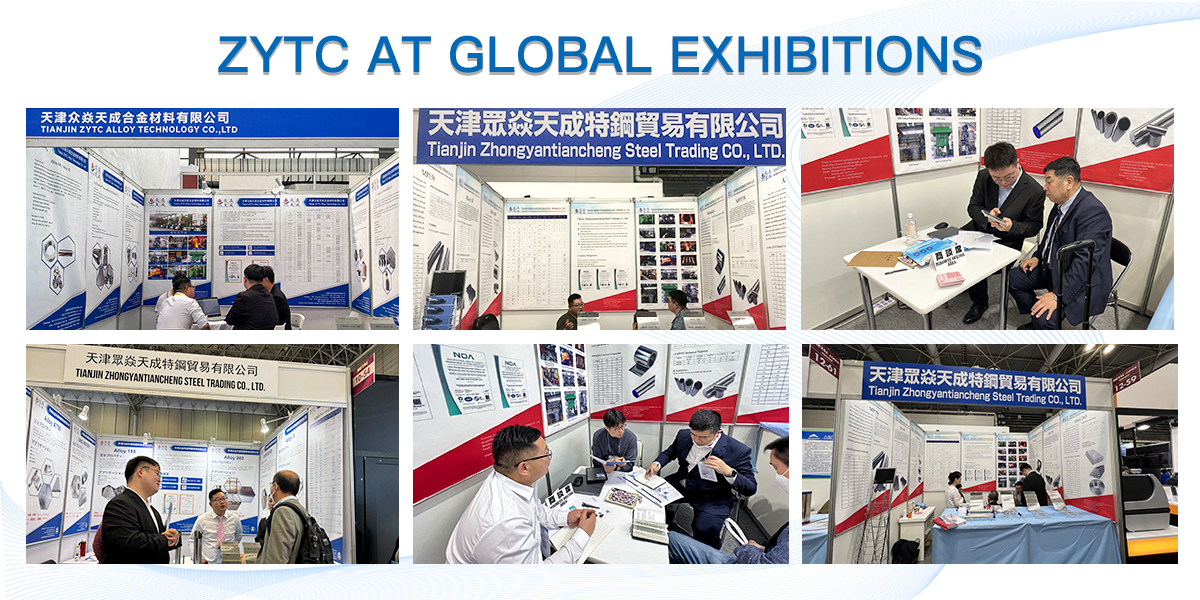
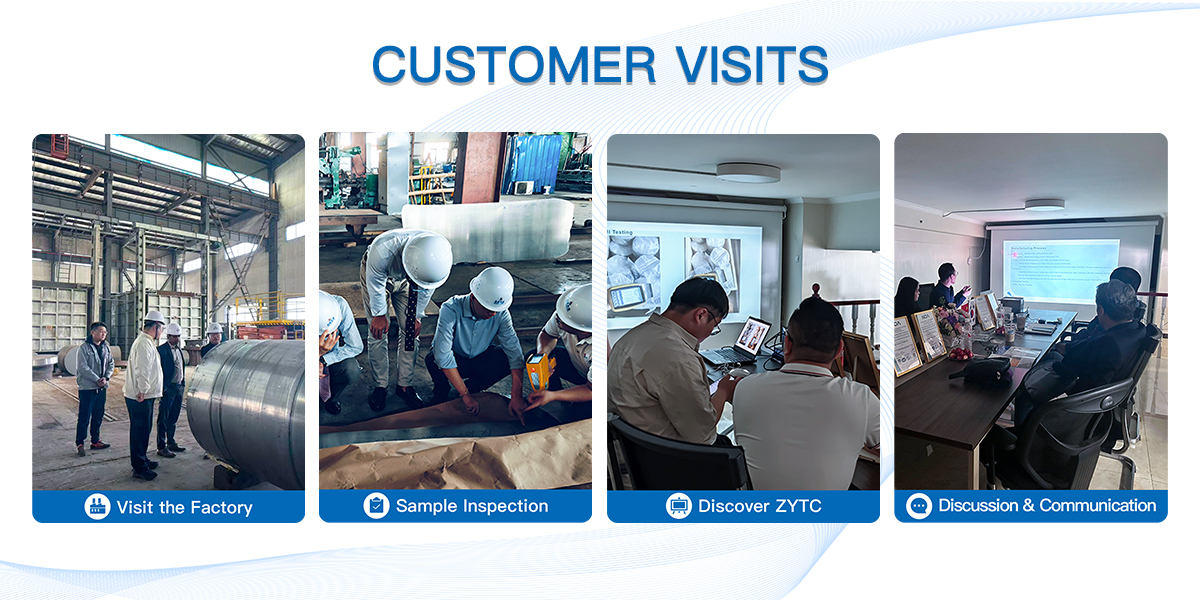
Contact ZYTC Alloy for application engineering support or to request a quotation. Our technical team can assist with material selection based on your specific process conditions and corrosion concerns.