Alloy 901 (UNS N09901) is a nickel-iron-chromium alloy strengthened by precipitation hardening, specifically developed for high-strength applications in the aerospace and power generation sectors. Through controlled additions of titanium, aluminum, and molybdenum, this alloy achieves yield strengths exceeding 875 MPa while maintaining ductility and corrosion resistance up to 600°C.
1. Product Specifications & Physical DataZYTC Alloy supplies UNS N09901 in mill forms suitable for rotating machinery components and high-stress fasteners requiring certified mechanical properties. Available Forms: Round bar, flat bar, rod, wire, welding wire, and forging stock. Specifications: AMS 5660 (bar/forgings), AMS 5661 (wire), ASTM B407 (tube), GE S-400.
| Chemical Composition (Weight %) | Alloy 901 Specification |
|---|
| Nickel (Ni) | 40.0 - 45.0 | | Iron (Fe) | Balance (approx. 33% min.) | | Chromium (Cr) | 11.0 - 14.0 | | Molybdenum (Mo) | 5.00 - 6.50 | | Titanium (Ti) | 2.80 - 3.10 | | Aluminum (Al) | ≤ 0.35 | | Cobalt (Co) | ≤ 1.00 | | Manganese (Mn) | ≤ 0.50 | | Silicon (Si) | ≤ 0.40 | | Carbon (C) | ≤ 0.10 | | Sulfur (S) | ≤ 0.030 |
| Physical Properties | Metric | Imperial |
|---|
| Density | 8.14 g/cm³ | 0.294 lb/in³ | | Melting Range | 1280 - 1345°C | 2340 - 2453°F |
| Mechanical Properties (Precipitation Hardened) | Metric | Imperial |
|---|
| Tensile Strength | 1200 MPa | 174,000 psi | | Yield Strength (0.2% offset) | 875 MPa | 127,000 psi | | Elongation at Break | 15% | 15% |
2. Operating Conditions & Selection CriteriaAlloy 901 (UNS N09901) is specified when austenitic stainless steels or solid-solution strengthened alloys cannot provide sufficient strength for rotating components at intermediate temperatures. The alloy derives its properties from controlled precipitation of gamma-prime [Ni₃(Ti,Al)] phase. Service Temperature Range: Optimized for continuous operation up to 600°C (1100°F). Short-term excursions to 650°C possible with reduced life expectancy. Creep and Rupture Strength: 100-hour rupture strength at 600°C exceeds 600 MPa; suitable for turbine discs and shafts requiring dimensional stability under sustained loading. Environmental Resistance: Good oxidation resistance in gas turbine atmospheres up to 650°C. Chromium content provides adequate protection; not intended for severely corrosive environments or reducing acid service. Microstructural Stability: Precipitation-hardened structure remains stable throughout service life when maintained within design temperature limits. Over-aging occurs above 650°C.
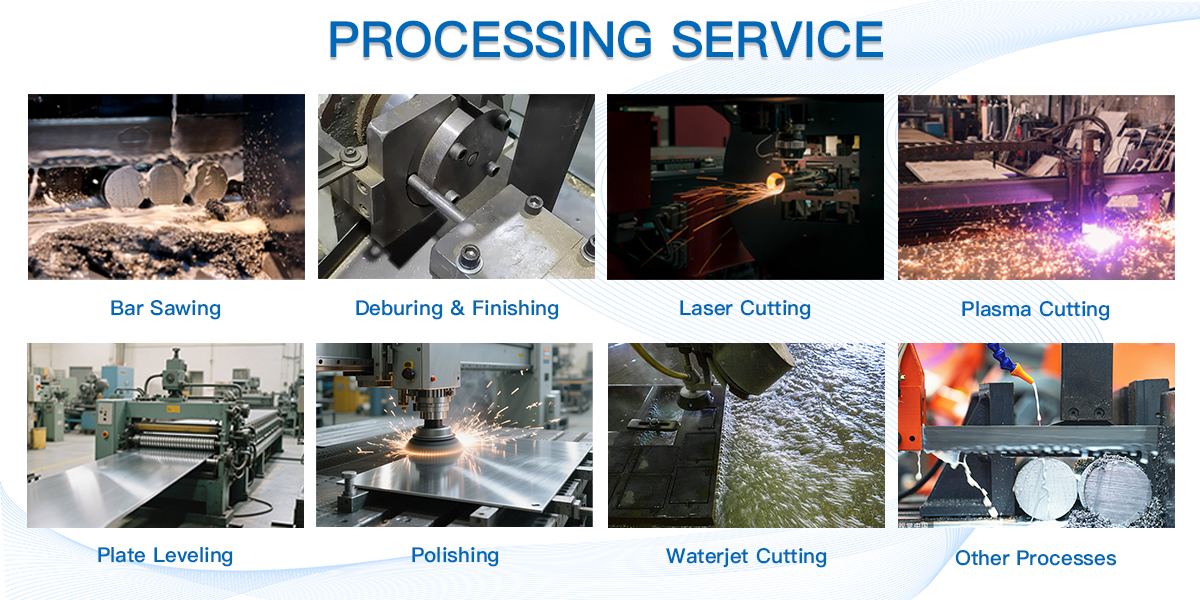
3. Fabrication & Material ComparisonAlloy 901 (UNS N09901) requires precise control during thermal processing to develop the gamma-prime precipitate responsible for its high strength. Fabrication is typically performed in the solution-annealed condition prior to final heat treatment. Machining: Best performed in the solution-treated condition before aging. Carbide tooling essential with positive rake angles. Water-based coolants for high-speed operations; heavy lubricants for drilling and tapping. Work-hardening rate moderate; rigid setups required for precision tolerances. Welding: Weldable using GTAW and limited SMAW processes. Matching filler metal (AMS 5803) required. Post-weld heat treatment typically necessary to restore properties in weld zone; preheating generally not required but interpass temperature control essential. Forming & Heat Treatment: Hot Working Range: 980-1120°C (1800-2050°F) Full Heat Treatment Sequence (required for specified properties): Solution Anneal: 1080-1107°C (1975-2025°F) × 2 hours, water quench Stabilization: 760-802°C (1400-1475°F) × 2-4 hours, air cool Precipitation Harden: 704-746°C (1300-1375°F) × 24 hours, air cool
Cold Working: Limited ductility in aged condition; forming performed in solution-treated state
Material Comparison: vs. Alloy 718: Lower strength above 600°C; more cost-effective for intermediate-temperature discs and shafts where 718's higher temperature capability unnecessary. vs. A-286: Higher nickel and molybdenum content provides better high-temperature stability and creep resistance; preferred for larger rotating components. vs. 304/316 Stainless: Significantly higher strength through precipitation hardening; replaces stainless where design requires reduced section sizes or increased RPM capability.
Applications Gas turbine engine discs and impellers Compressor rotors and shafts High-temperature fasteners (bolts, studs) Turbine casings and rings Structural seals and spacers High-stress airframe components Industrial gas turbine power generation equipment
Contact ZYTC Alloy for certified alloy 901 materials with complete traceability, AMS/GE specifications, technical datasheets, and competitive pricing on standard sizes or custom-forged components. Email:daisy@zytcsteel.com WhatsApp/WeChat: +86 17335753350 |