ZYTC Inconel® 601 (UNS N06601) Nickel-Chromium Alloy As your supply chain management expert, ZYTC Alloy presents this comprehensive technical guide for Inconel® 601. This guide is structured to provide your engineering and procurement teams with all the necessary information for a precise and confident material evaluation. I. Basic Product InformationThis section provides a foundational overview of alloy 601, outlining its core identity, key value proposition, and the product forms available for your supply chain. - Material Name: Inconel® 601 Nickel-Chromium Alloy (UNS N06601)
- Material Definition: A nickel-chromium alloy specifically engineered for extreme high-temperature service. The strategic addition of aluminum provides exceptional resistance to oxidation, carburization, and thermal fatigue, setting it apart as an indispensable material for critical components in heavy industries.
- Core Advantages Overview:
- Exceptional Oxidation Resistance: Reliable in continuous service up to 1204°C (2200°F) due to a tightly adherent oxide scale.
- Superior Thermal Fatigue Resistance: Excellent resistance to spalling and cracking under rapid heating and cooling cycles.
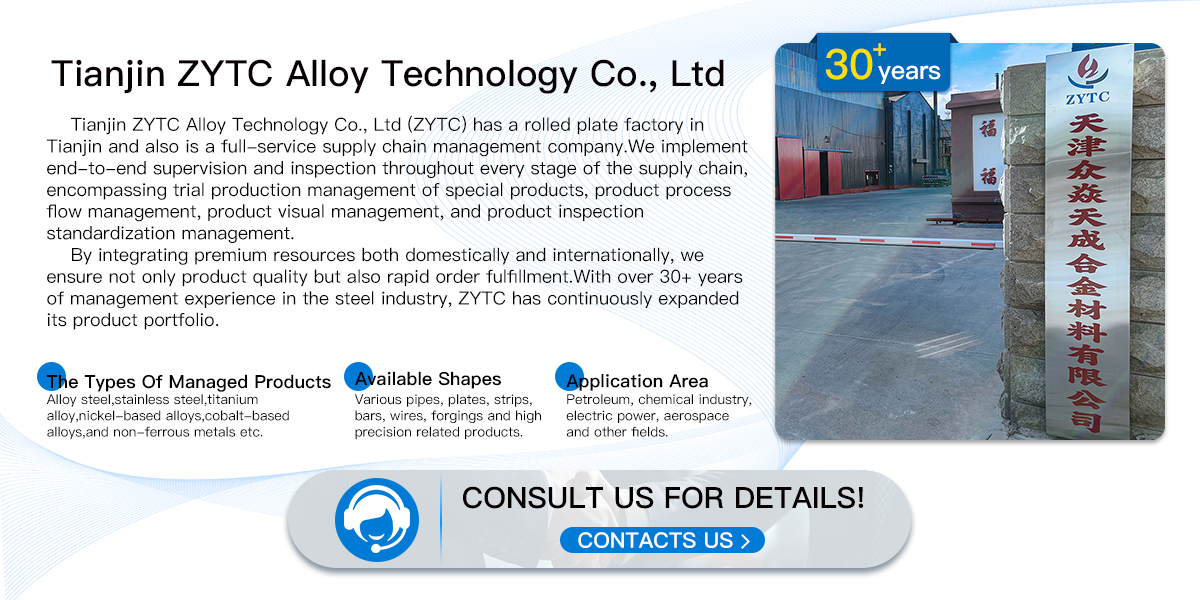
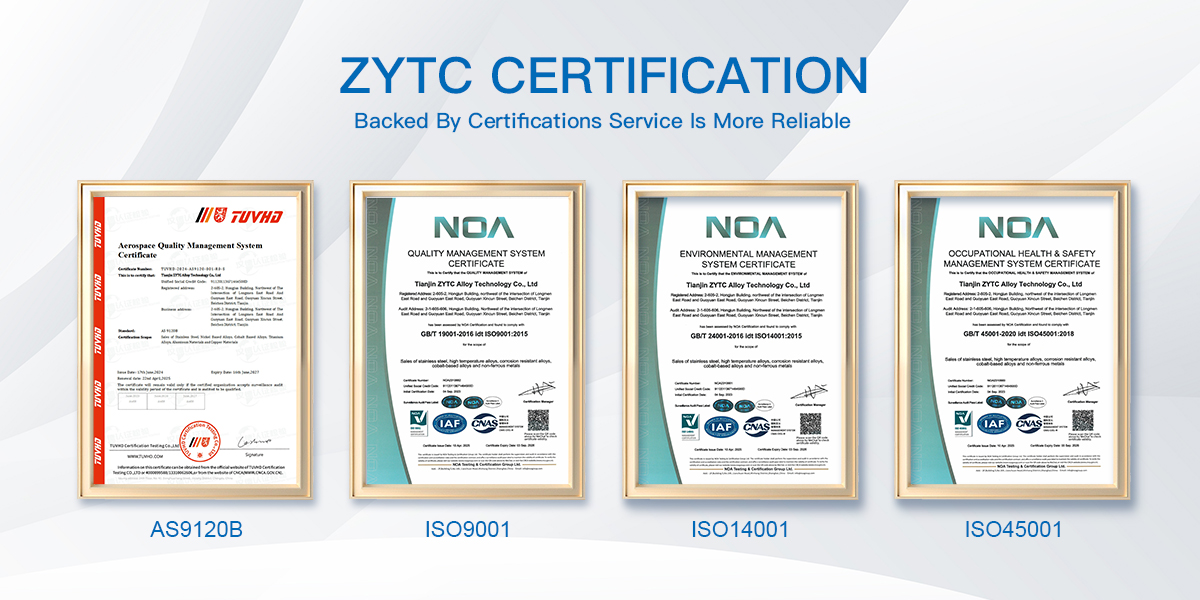
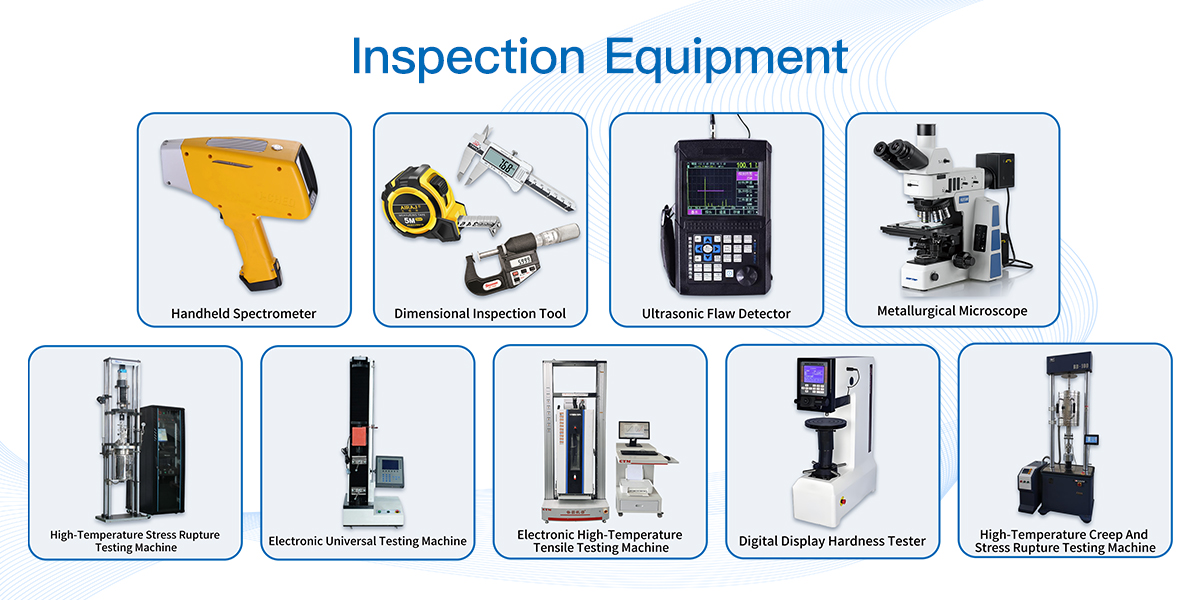
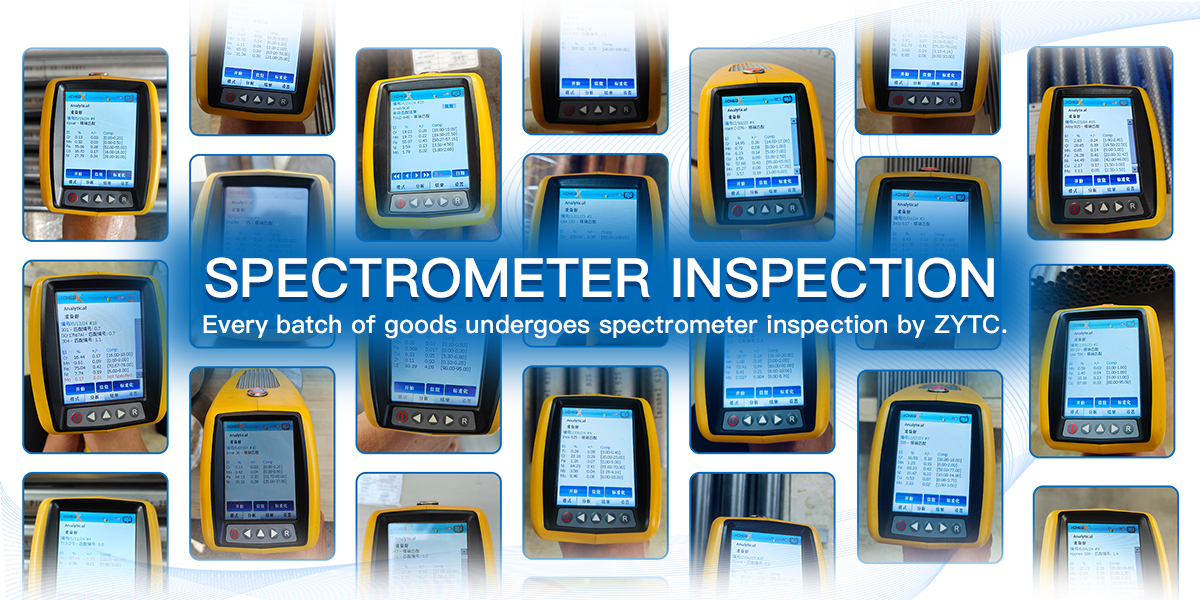
- Certification & Quality: ZYTC Alloy is ISO 9001 and AS9120 certified, ensuring full traceability and compliance with the most stringent international standards.
- Product Forms Available from ZYTC:
- Pipe & Tube (Seamless)
- Sheet, Plate & Strip
- Bar & Rod
- Wire
- Forgings & Custom Components
II. Material Standards & SpecificationsAll ZYTC Inconel 601 products are manufactured and tested to meet the following industry-standard specifications, guaranteeing material integrity and performance. Product Form | ASTM Standard | AMS Standard | Plate, Sheet, and Strip | ASTM B168 | AMS 5870 | Bar, Rod, and Wire | ASTM B166 | AMS 5715 | Seamless Pipe & Tube | ASTM B167 (Pipe), ASTM B163 (Tube) | - | Forgings | ASTM B564 | AMS 5715 |
III. Chemical Composition (wt%)The unique properties of Inconel 601 are a direct result of its precise chemical formulation. The aluminum content is critical for high-temperature performance. Element | Ni | Cr | Al | Fe | C | Mn | S | Si | Cu | Content | 58.0 - 63.0 | 21.0 - 25.0 | 1.0 - 1.7 | Rem | 0.10 max | 1.0 max | 0.015 max | 0.50 max | 1.0 max |
IV. Service Conditions & Material Selection BoundariesThis section is designed to help your technical team determine if alloy 601 is the optimal solution for your specific operating environment. - Suitable Conditions (Why choose it?)
- Extreme High-Temperature Oxidation: Ideal for components operating above 550°C (1022°F), particularly in air or combustion atmospheres where oxidation resistance is paramount.
- Severe Thermal Cycling Environments: Perfect for applications involving repeated rapid heating and cooling, such as furnace fixtures, radiant tubes, and wire mesh belts, where resistance to spalling is critical.
- Carburizing and Carbonitriding Atmospheres: Performs exceptionally well in environments where carbon absorption can lead to embrittlement in other alloys.
- Sulfur-Containing Atmospheres: Offers good resistance in moderately sulfidizing environments found in some combustion processes.
- Material Selection Boundaries (When to consider alternatives?)
- Highly Reducing Atmospheres: In strongly reducing environments, the protective oxide scale may not be stable. Alloys with higher chromium or molybdenum, such as Inconel 625, may be required.
- Severe Sulfidizing Environments: While good, performance may be surpassed by cobalt-based alloys or those with higher chromium content in extremely aggressive, high-sulfur conditions.
- Aqueous Corrosion at Lower Temperatures: While possessing good general corrosion resistance, other nickel alloys like Inconel 625 or Hastelloy C-276 are better suited for highly corrosive aqueous chemical environments (e.g., strong acids).
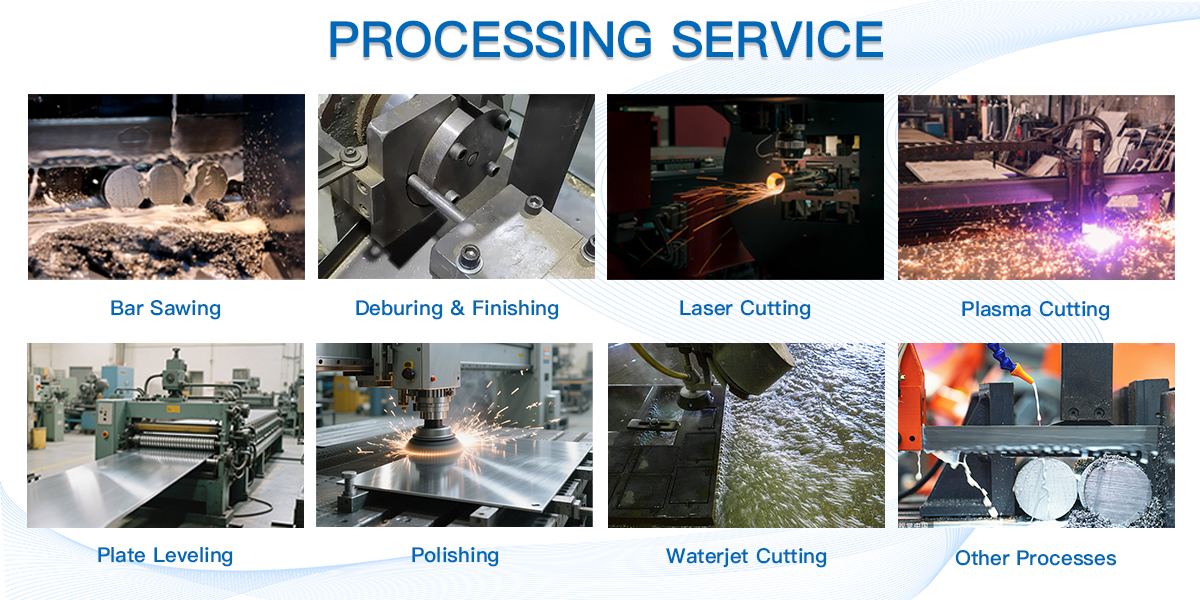
V. Manufacturing Process & Heat TreatmentZYTC Alloy maintains full process control to ensure the final product meets the required microstructural and mechanical property targets for high-temperature service. - ZYTC Manufacturing Process Control:
- Melting: Precise control over chemistry, especially aluminum and carbon content, using advanced melting techniques.
- Hot & Cold Working: Transforms the ingot into the required product form (plate, bar, tube, etc.).
- Solution Annealing: A critical heat treatment step. For Inconel 601, solution annealing is typically performed in the range of 2100-2200°F (1150-1205°C) , followed by rapid cooling. This process achieves a coarse grain size, which is essential for optimizing creep resistance and long-term high-temperature stability.
VI. Mechanical Properties (Typical Values)The following are typical mechanical properties for annealed conditions. Final properties can be tailored to specific customer requirements. Product Form & Condition | Tensile Strength | Yield Strength (0.2% Offset) | Elongation (%) | Hardness (HB) | | (MPa) | (ksi) | (MPa) | (ksi) | | | Bar (Annealed) | 550 - 790 | 80 - 115 | 205 - 415 | 30 - 60 | 70 - 40 | 60 - 80 | Plate (Annealed) | 550 - 690 | 80 - 100 | 205 - 310 | 30 - 45 | 65 - 45 | 60 - 75 | Sheet (Annealed) | 585 - 690 | 85 - 100 | 205 - 345 | 30 - 50 | 55 - 35 | 65 - 80 |
VII. Material Comparison & Selection GuideThis comparison is designed to aid in the selection process between Inconel® 601 and other common high-performance alloys. Comparison Dimension | Inconel® 601 (N06601) | vs. Inconel® 600 (N06600) | vs. Inconel® 625 (N06625) | Primary Strength | Extreme Oxidation & Thermal Cycling | General Purpose / High-Purity Water / Caustic | High Strength & Aqueous Corrosion | Max Service Temp (Oxidizing) | ~1204°C (2200°F) | ~1093°C (2000°F) | ~980°C (1800°F) | Key Alloying Addition | Aluminum (for scale adherence) | Chromium (for basic oxidation resistance) | Molybdenum + Niobium (for strength & pitting resistance) | Oxidation Resistance | Excellent (Best in class up to 1204°C) | Good | Very Good | Resistance to Thermal Fatigue | Excellent (Superior due to Al) | Good | Very Good | Aqueous Corrosion Resistance | Good | Very Good | Excellent | Typical Applications | Furnace fixtures, radiant tubes, catalyst grids, exhaust manifolds | Thermal processing, nuclear steam generators, chemical processing | Marine, chemical processing, aerospace ducting, FGD systems |
Procurement Recommendation: - Choose Inconel® 601 when your primary challenge is extreme oxidation and thermal cycling above 1000°C.
- Choose Inconel® 600 for a cost-effective, general-purpose high-temperature alloy or for applications requiring excellent resistance to high-purity water and caustics.
- Choose Inconel® 625 when you need a combination of high strength and exceptional resistance to a wide range of both high-temperature and aqueous corrosive environments.
Request a Quote or Sample Today:
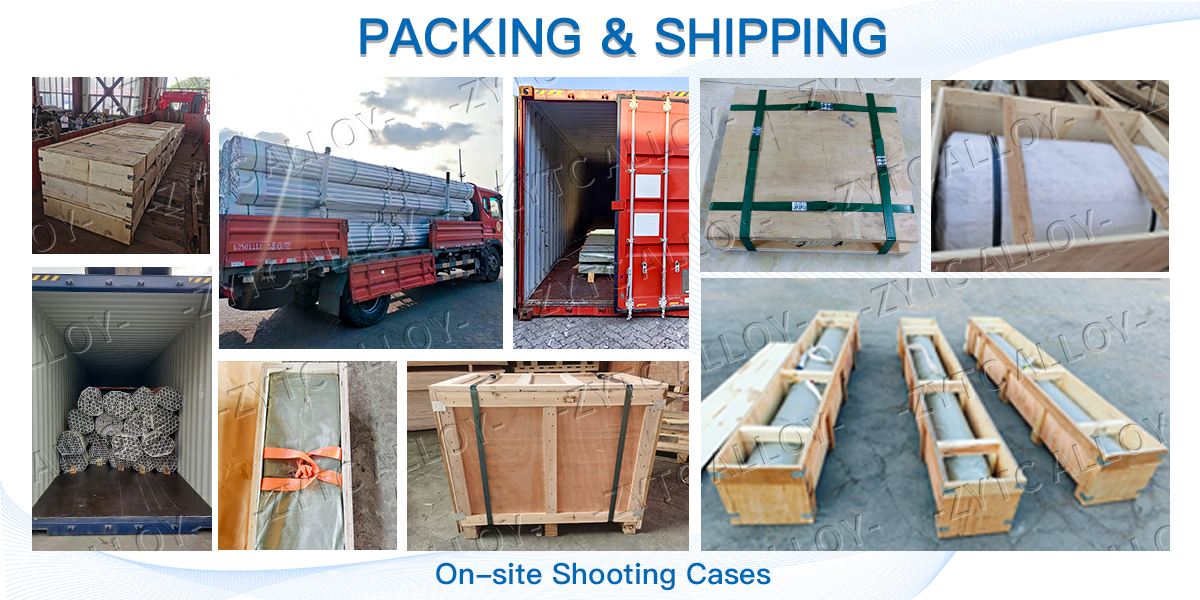
If your projects demand the proven reliability of alloy 601, contact the ZYTC Alloy sales team. We provide certified materials, technical expertise, and reliable global logistics to ensure the success of your most critical components. Contact Us Email: daisy@zytcsteel.com WhatsApp/WeChat: +86 17335753350 |