UNS N06600 / Alloy 600 Seamless Pipe
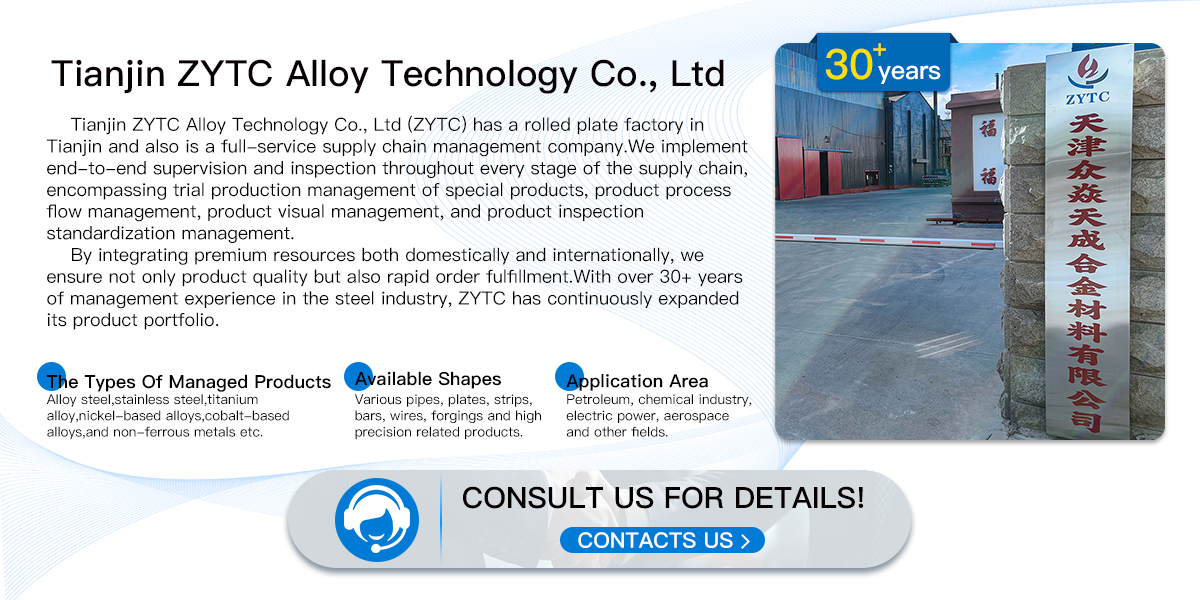
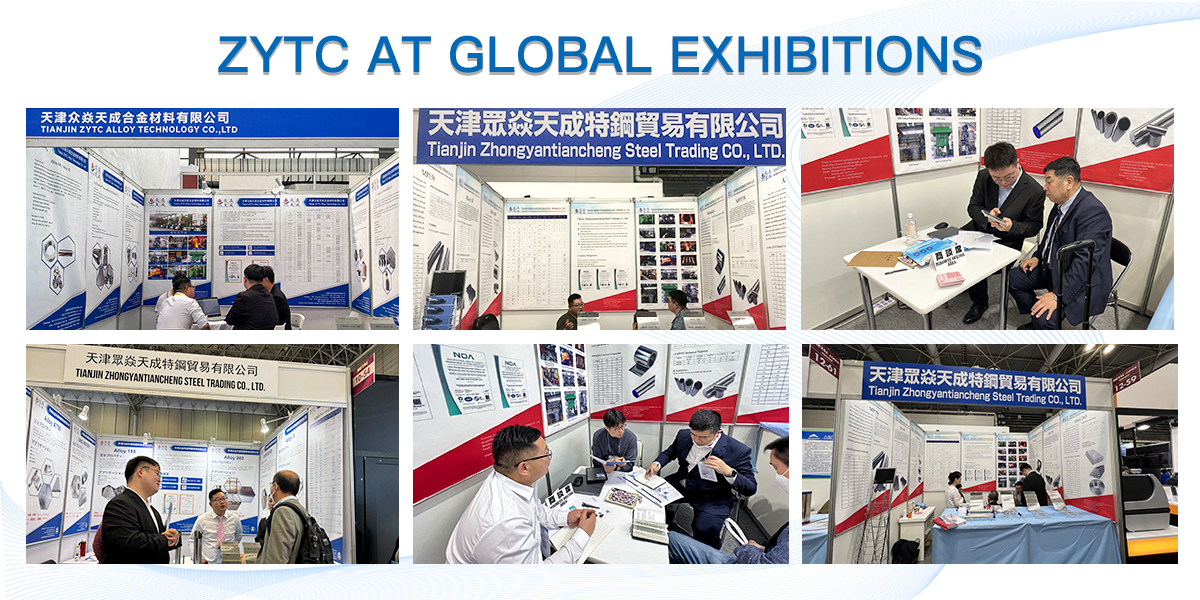
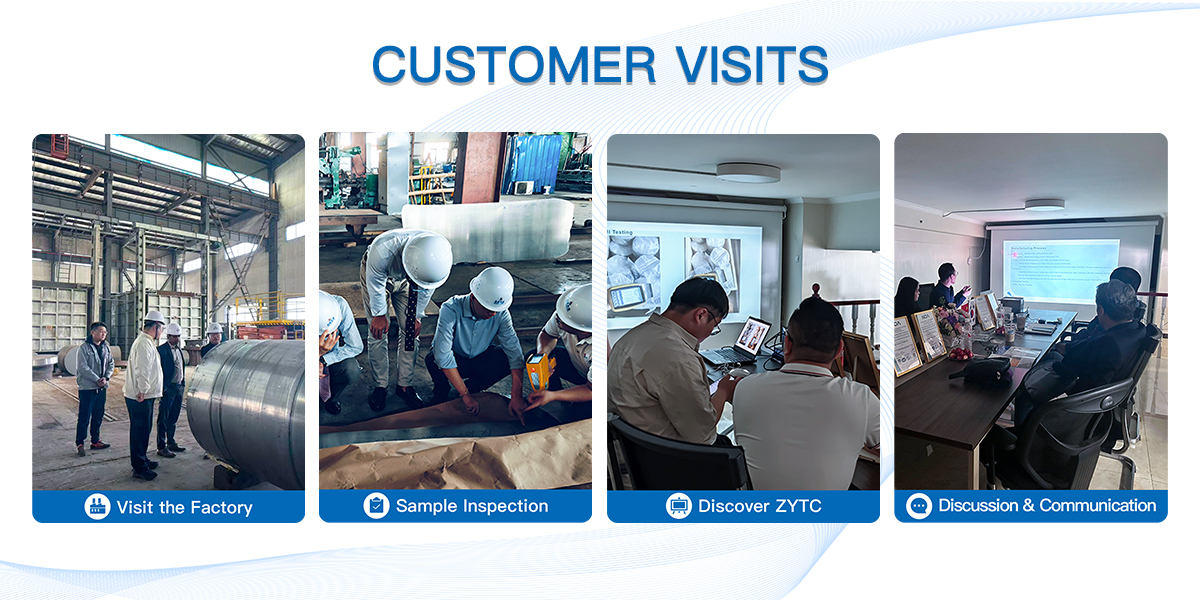
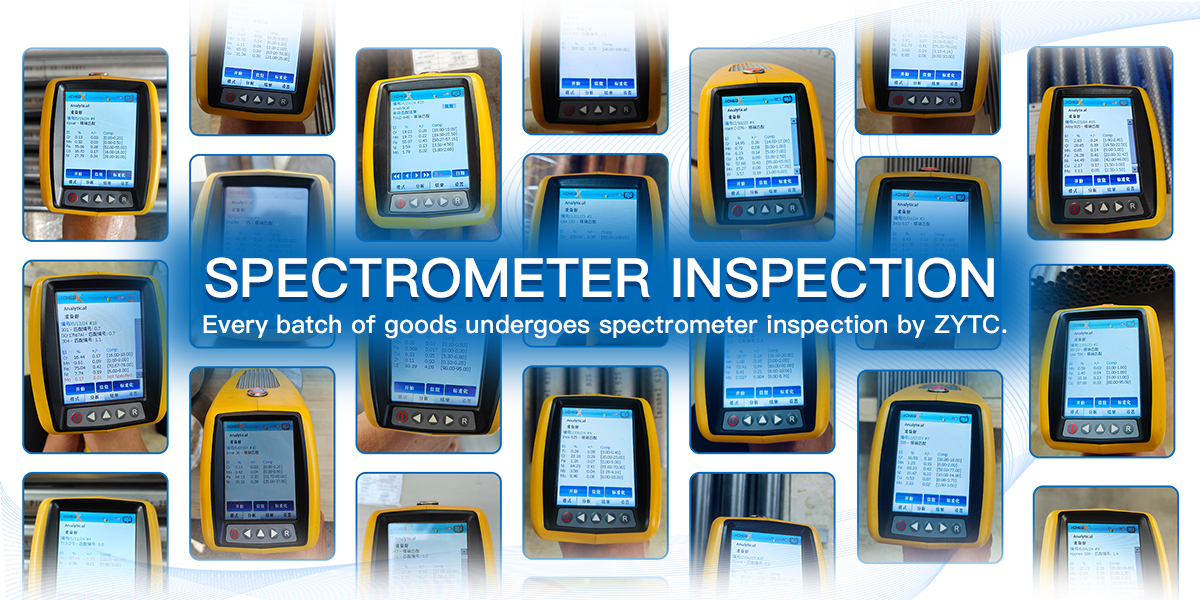
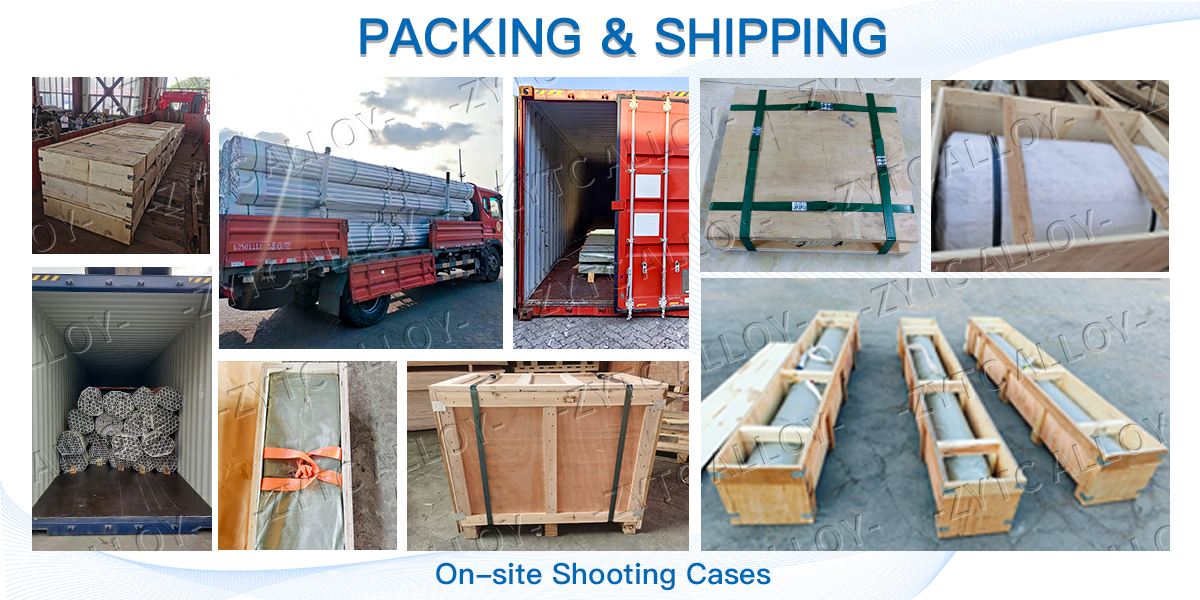
As a professional China nickel alloy manufacturer and supplier,ZYTC Alloy provides high-purity, standard-compliant Alloy 600 raw materials including sheets, plates, bars, tubes, wires and forgings. All products strictly follow international chemical and mechanical standards, with complete test certifications to support global procurement and high-end industrial applications. Alloy 600 is a nickel-chromium-iron solid solution strengthened alloy with a nominal chemical composition of 72% nickel, 16% chromium, and 8% iron. It is commonly referred to by the tradename Inconel® 600 and the universal designation UNS N06600. Alloy 600 offers good corrosion resistance in many media with superior oxidation resistance at elevated temperatures.
Inconel® 600 Chemical Composition
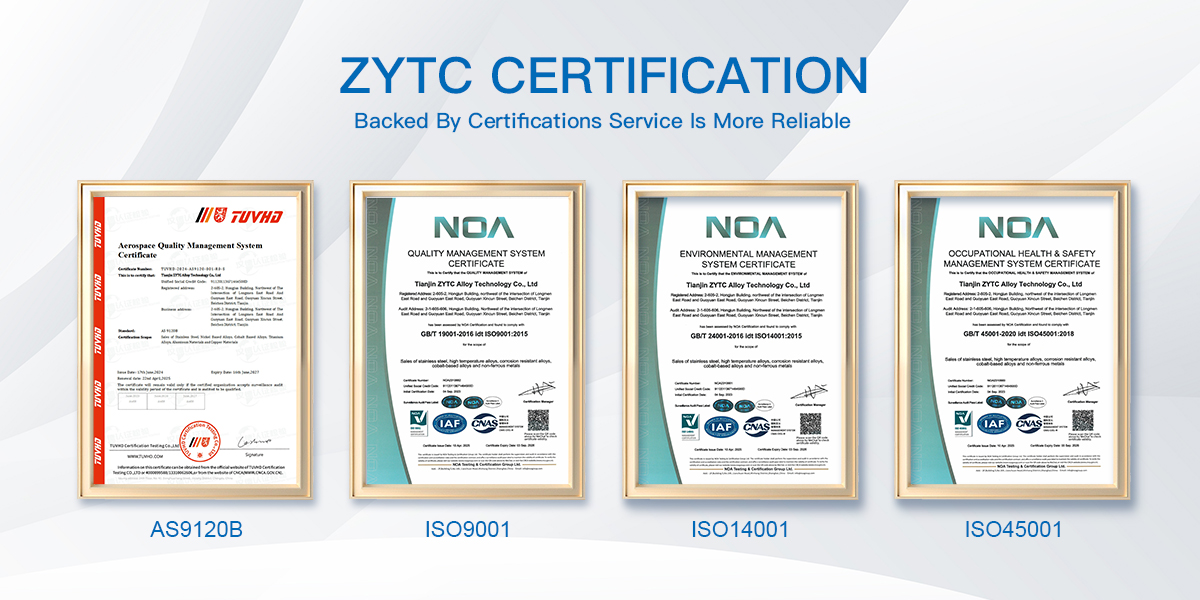
Specified Mechanical Properties in Annealed ConditionPer ASTM B161 / ASTM B163 / ASTM B167, ASME SB161 / ASME SB163 / ASME SB167, AMS 5580,AMS 5687,AMS 5540,AMS 5665, MIL-T 23227
Typical Physical & Mechanical Properties in Annealed Condition
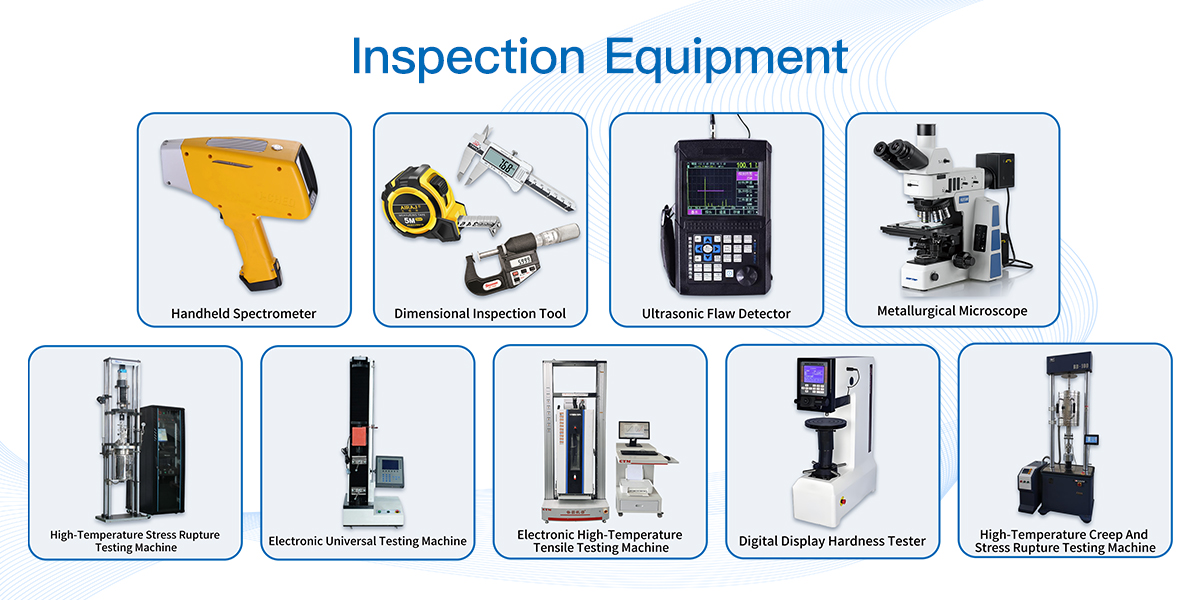
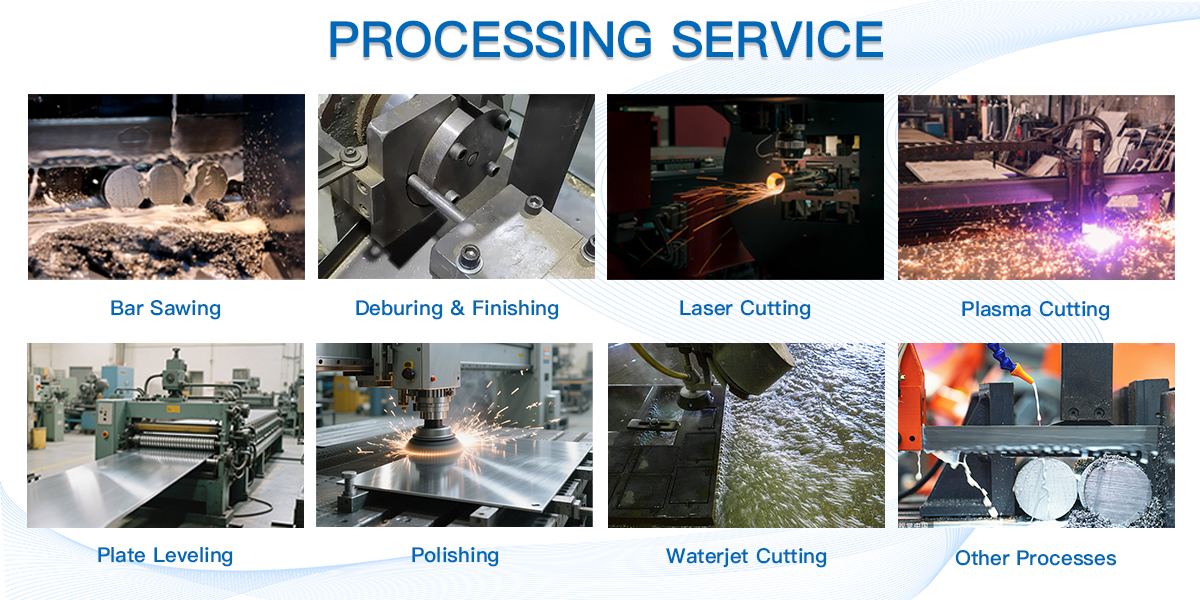
Manufacturing Process
ApplicationsAlloy 600 is a versatile alloy used in many different applications, including the chemical process industry, aerospace, food processing, electronics, oil and gas, and nuclear power generation. Its elevated temperature oxidation resistance makes it a good choice for heat-treating fixtures, furnaces, incinerators, and other high-temperature equipment. ZYTC Alloy offers specialty alloy 600 seamless pipe & tube for use in multiple industries and applications, including:
As a professional Chinese high-performance nickel alloy supplier, ZYTC Alloy provides high-quality standard Alloy 600 products and customized processing solutions for global industrial customers. Contact ZYTC Alloy for certified Alloy 600 (UNS N06600) products, custom specifications and factory competitive quotations. 📧 Email: daisy@zytcsteel.com 📲 WhatsApp: +86 17335753350 FAQ – Inconel®600 Seamless PipeQ1: What is the maximum continuous service temperature? Q2: How does it perform in chloride environments? Q3: Is it suitable for nuclear applications? Q4: What welding methods are recommended? |