Alloy G-35 (UNS N06035): Selection Guide for Phosphoric Acid Service & ZYTC VerificationAlloy G-35 is a nickel-chromium-molybdenum alloy with approximately 33% chromium, specifically engineered for resistance to “fertilizer-grade” phosphoric acid and other highly oxidizing, contaminated process streams. This page explains when G-35 is the right choice, how it compares to Alloy G-30andC-276, and how ZYTC verifies every batch before shipment. |  |
Why G-35 Exists: The Phosphoric Acid Problem“Fertilizer-grade” phosphoric acid is one of the most aggressive industrial environments. It contains chlorides, fluorides, and sulfuric acid as impurities, creating a combined attack of general corrosion, pitting, and crevice corrosion. Standard stainless steels and many nickel alloys fail under these conditions. Alloy G-35 was developed to solve this specific problem. Its high chromium content (~33%) provides the oxidizing resistance needed to passivate in contaminated phosphoric acid, while its molybdenum content (~8%) resists pitting and crevice attack from chlorides. The result is an alloy that outperforms both G-30 and C-276 in this niche. When G-35 is the right choice: Fertilizer-grade phosphoric acid production (evaporators, heat exchangers, piping) Nitric acid/hydrofluoric acid pickling solutions Contaminated sulfuric acid environments where oxidizing species are present Applications requiring resistance to both general corrosion and localized pitting
When G-35 is not the right choice:
Chemical Composition & Mechanical PropertiesChemical Composition (%, nominal)| Element | Content |
|---|
| Nickel, Ni | 58 (balance) | | Chromium, Cr | 33.2 | | Molybdenum, Mo | 8.1 | | Iron, Fe | 2.0 max | | Cobalt, Co | 1.0 max | | Tungsten, W | 0.6 max | | Carbon, C | 0.05 max |
Mechanical & Physical Properties| Property | Metric | Imperial |
|---|
| Tensile Strength | 690-725 MPa | 100,000-105,000 psi | | Yield Strength (0.2% offset) | 320-400 MPa | 46,000-58,000 psi | | Elastic Modulus | 210 GPa | 30,500 ksi | | Elongation | ~50% | ~50% | | Density | 8.22 g/cm³ | 0.297 lb/in³ | | Melting Point | 1371°C | 2500°F |
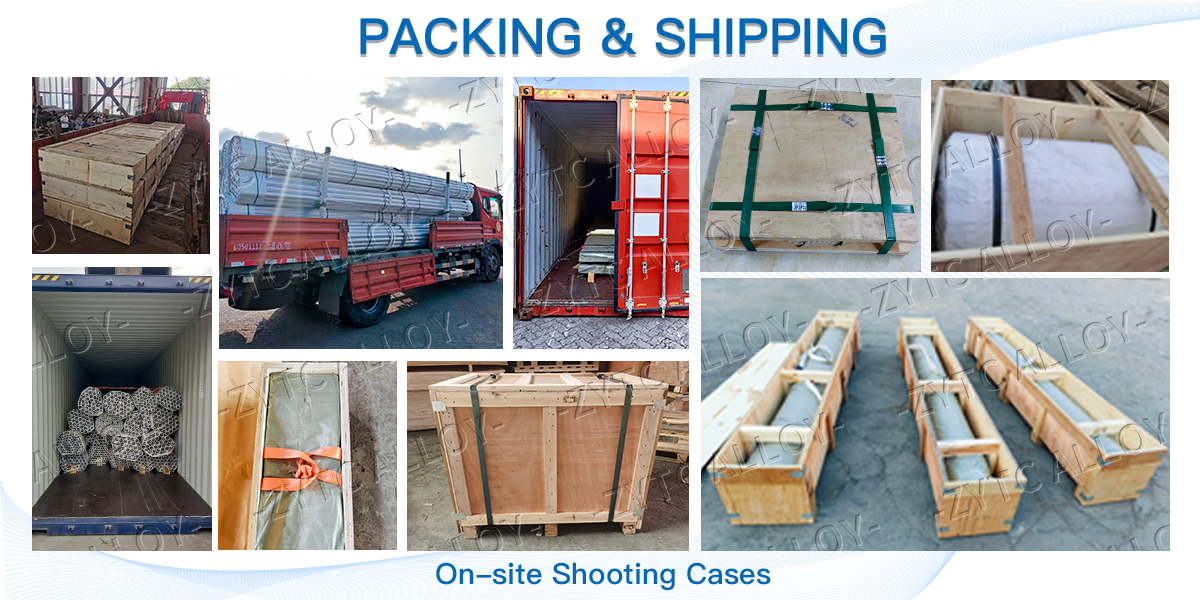
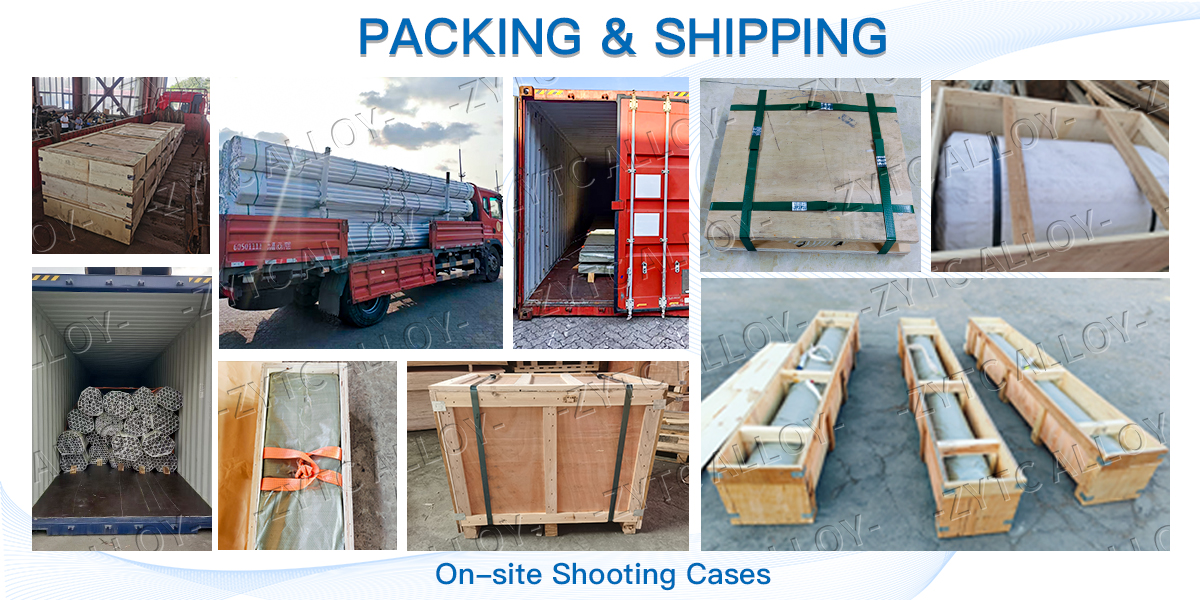
Values are typical for annealed material per Haynes International technical data. Actual values vary by product form and size; ZYTC provides test reports with every shipment. Available Forms: Plate, sheet, bar, pipe, tubing, fittings, and forgings.
Fabrication: What Matters for G-35Welding: G-35 is readily welded by GTAW (TIG) and GMAW (MIG) using matching filler metal. The key concern is preserving corrosion resistance in the weld heat-affected zone. High heat input can promote the formation of secondary phases that deplete chromium locally, creating preferential corrosion sites. Recommended practice: Low heat input Controlled interpass temperature (keep below 150°C where possible) Clean, oxide-free surfaces before welding Post-weld pickling and passivation recommended for optimal corrosion resistance
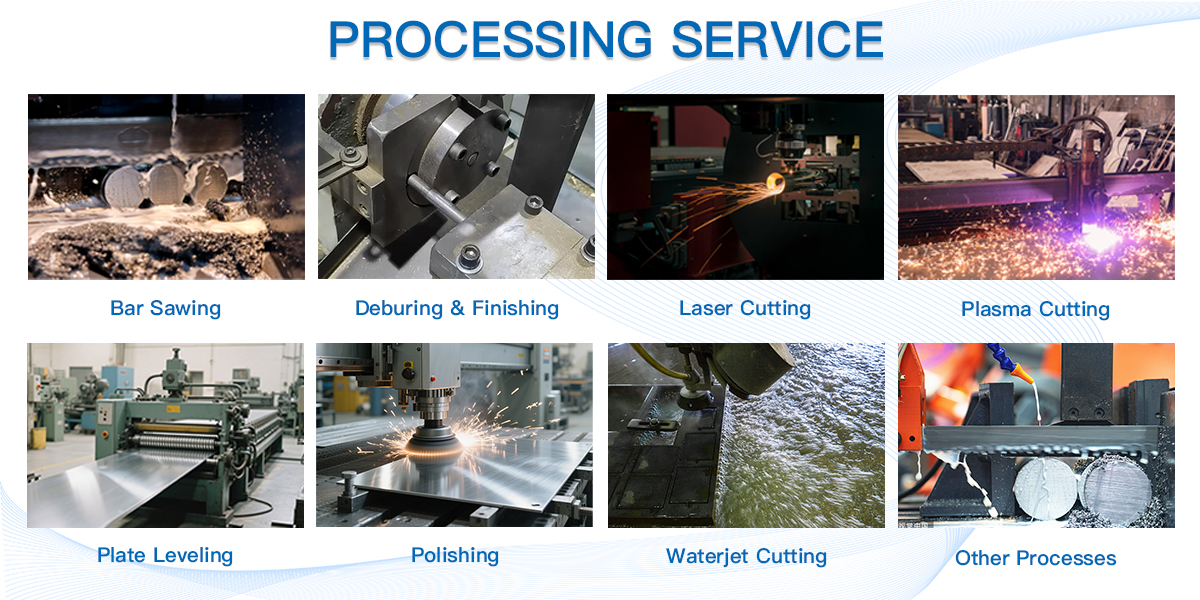
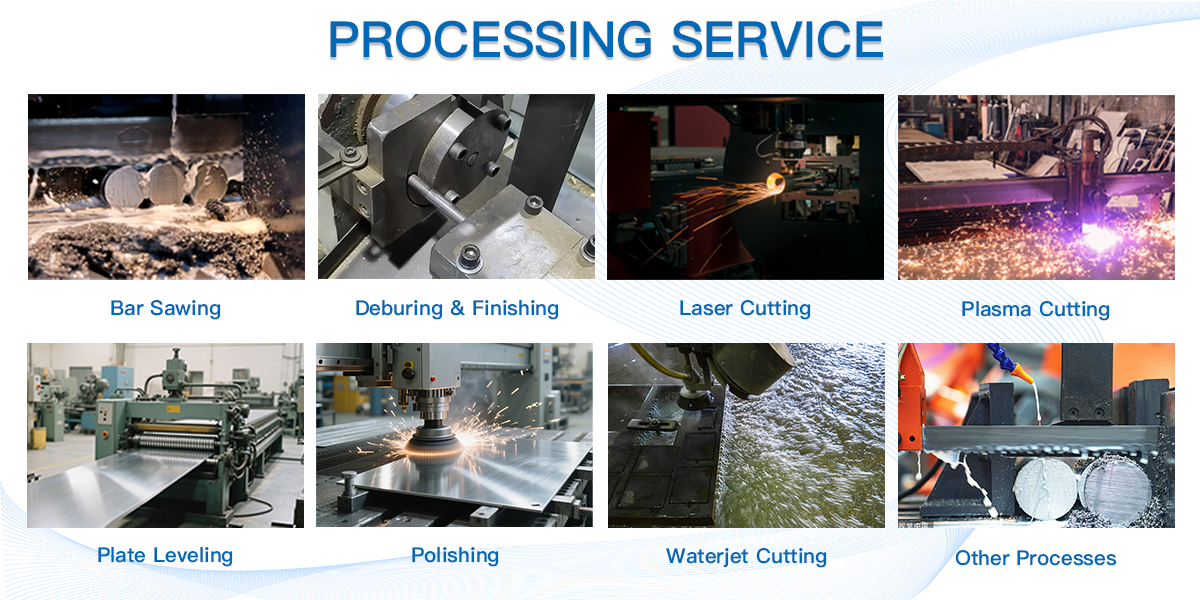
Forming: G-35 has good ductility in the annealed condition and can be cold-formed. Due to its work-hardening rate, intermediate annealing may be required for complex shapes. Machining: Similar to other nickel-based alloys. Rigid setups, sharp tooling, and generous coolant are essential. |  |
Welding & Fabrication Best PracticesHastelloy® G-35 has weldability similar to C-276, but its high chromium and molybdenum content make it sensitive to secondary phase precipitation (which degrades corrosion resistance). ZYTC provides the following fabrication guidelines to ensure your equipment's integrity: Interpass Temperature: Must be strictly maintained at 93°C (200°F) maximum during GTAW/TIG and GMAW welding. High heat input promotes the formation of detrimental phases. Welding of Cold-Worked Material: Strongly discouraged without prior solution annealing. Post-Weld Heat Treatment: Solution annealing at 1177°C (2150°F) followed by rapid water quench restores optimal corrosion resistance if hot working or extensive welding has occurred.
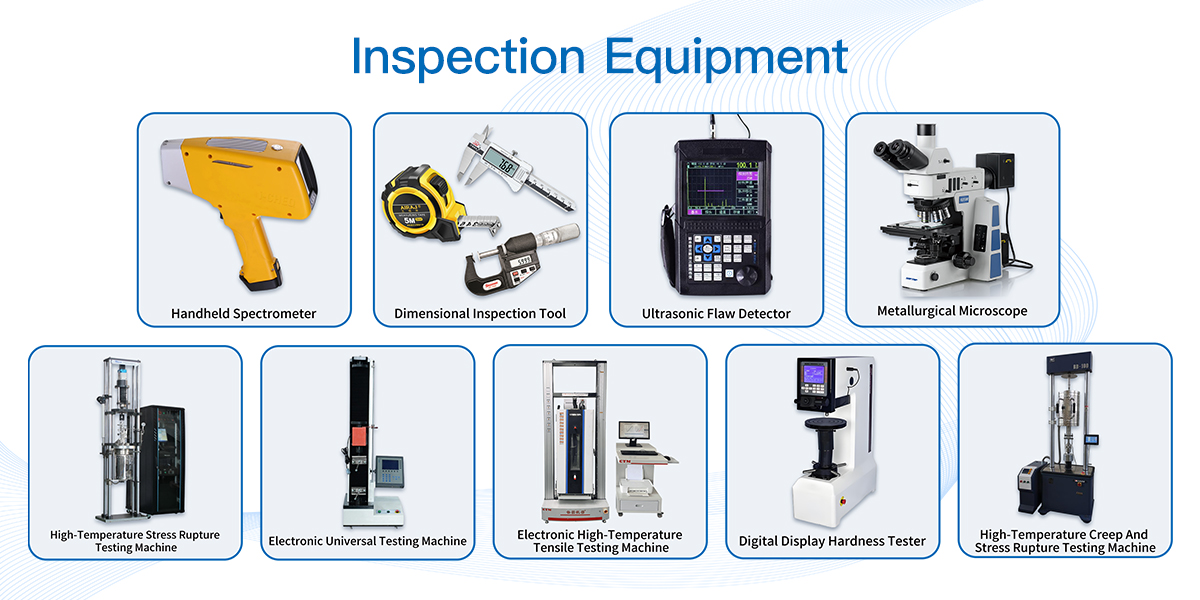
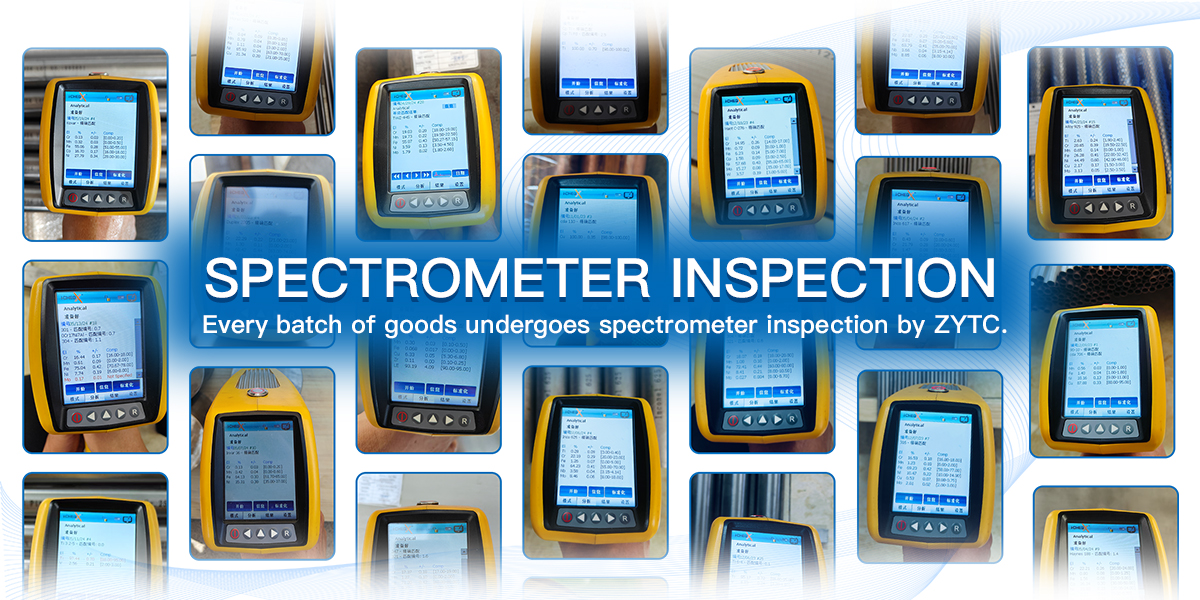
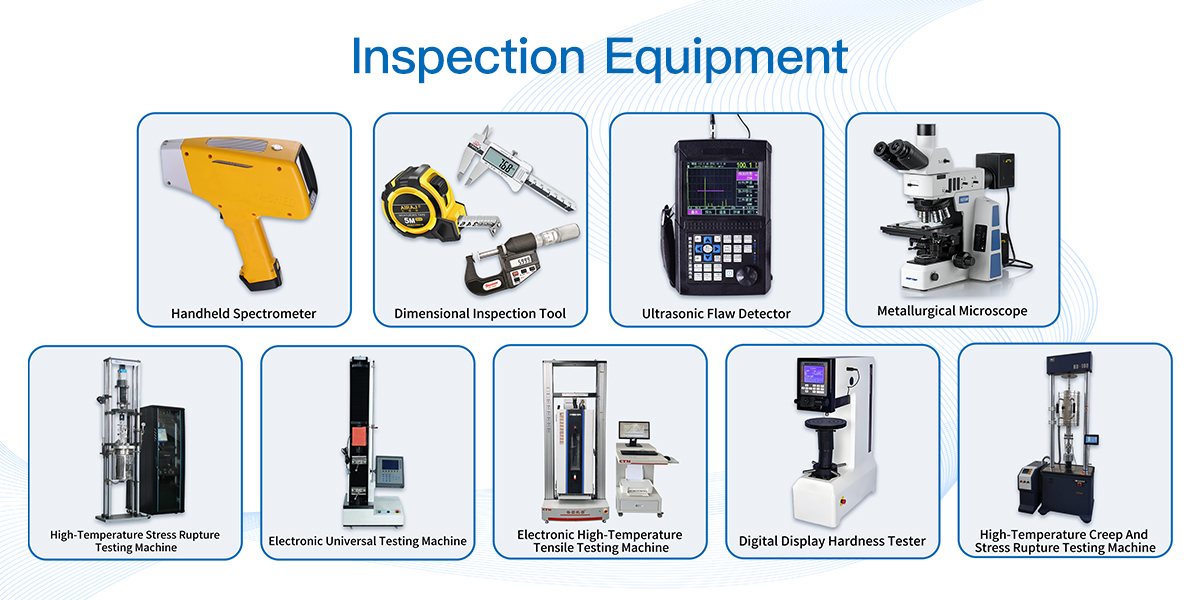
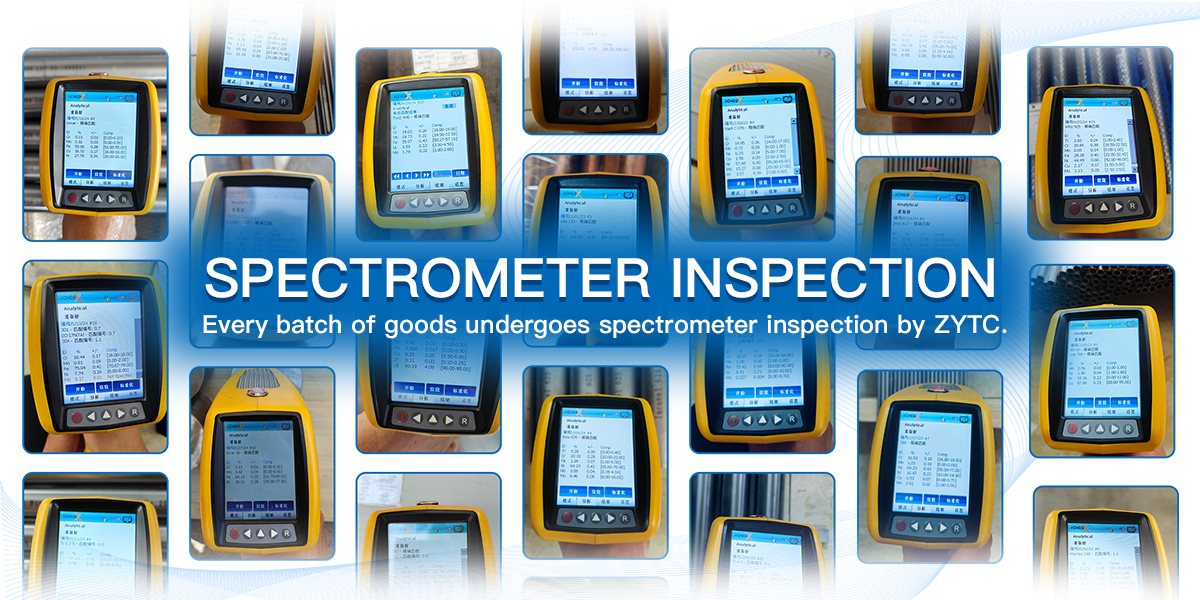
ZYTC's Verification: Why Composition Control Matters for G-35For Alloy G-35, the chromium content is the performance-critical variable. If Cr falls below the specified range, passivation in contaminated phosphoric acid becomes unreliable. If carbon is not controlled, weld zone corrosion resistance degrades. Our verification process for every batch: Direct Reading Spectrometry: Confirms Cr within the 32.25–34.25% window and C at ≤0.05%, ensuring the alloy will passivate as designed. Mechanical Testing: Universal testing machine verification of tensile and yield strength to confirm the annealed condition meets ASTM B575 requirements. Metallurgical Inspection: For welded or formed components, metallurgical microscopy checks for secondary phase precipitation in the heat-affected zone.
 |  |  | | Direct Reading Spectrometer | Metallurgical Microscope | Universal Testing Machine |
Technical Specifications & Available Forms| Parameter | Nominal Range | Notes |
|---|
| Material | UNS N06035 / Hastelloy® G-35 | Nickel-Chromium-Molybdenum Alloy | | Chemical Composition | Ni (58% Balance), Cr (33.2%), Mo (8.1%) | Strict control of C, Fe, Co | | Tensile Strength | 690 - 725 MPa | Excellent for pressure vessels | | Yield Strength | 320 - 400 MPa | High ductility (~50% elongation) | | Available Forms | Plate, Sheet, Strip, Bar, Billet, Wire, Pipe, Tube, Welding Electrodes | Custom sizes on request |
ApplicationsFertilizer production: Phosphoric acid evaporators, heat exchangers, piping, and reactor vessels Chemical processing: Nitric/hydrofluoric acid pickling lines, mixed acid reactors Pollution control: Flue-gas desulfurization components exposed to chlorides and oxidizing conditions Pulp and paper: Digester components where oxidizing and chloride conditions coexist
Request a Quote or Technical ConsultationTo help us recommend the right form and condition for your process, please provide: Process chemistry: Acid type, concentration, temperature, and impurity profile (chlorides, fluorides, oxidizing species) Required form: Plate, sheet, bar, pipe, tubing, or fittings Governing standard: ASTM B575 / ASME SB-575, or other Quantity (kg or pieces) Certification requirements (EN 10204 3.1, NACE MR0175 if applicable)
📧Email:daisy@zytcsteel.com
📱WhatsApp/WeChat: +86 17335753350 |