ASTM B443 UNS N06625 Plate DataSheet
ASTM B443 UNS N06625 Plate — Grade 1 / Grade 2 Selection & Supply GuideFor chemical processing, marine, aerospace, and nuclear engineers specifying Alloy 625 plate — supplied by ZYTC Alloy, ISO 9001 & AS 9120B certified manufacturer and exporter. What This Specification CoversASTM B443 covers rolled nickel-chromium-molybdenum-columbium alloy (UNS N06625) plate, sheet, and strip. The specification defines two heat treatment conditions:
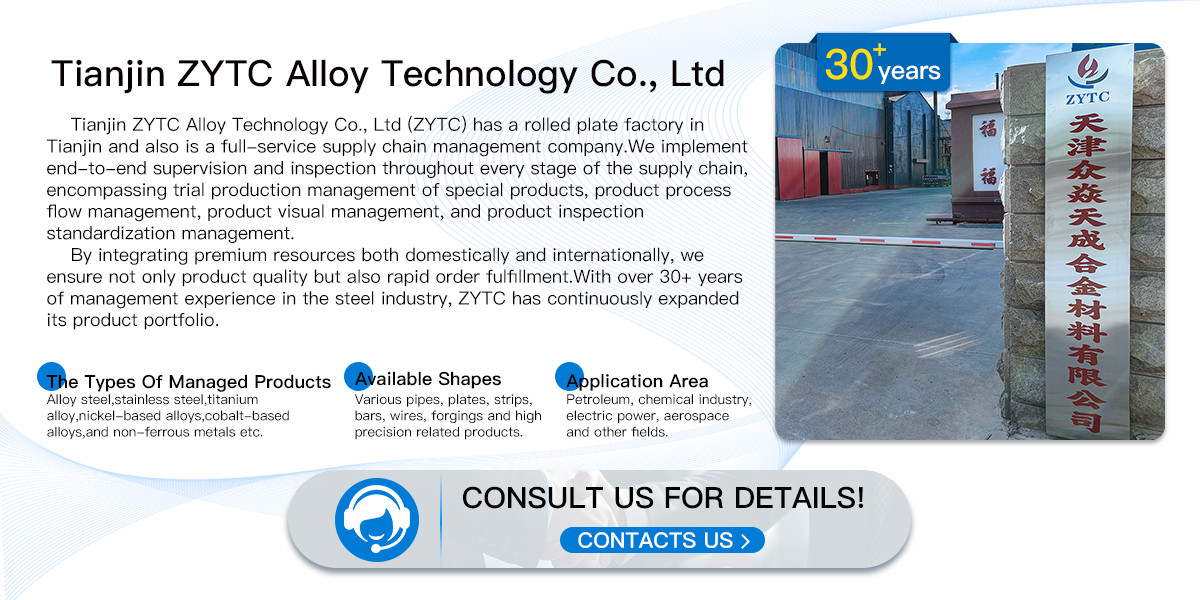
Alloy 625 (UNS N06625 / Inconel® 625) is an austenitic nickel-base superalloy with excellent oxidation and corrosion resistance across a broad range of media. It maintains high strength and toughness from cryogenic temperature to 1100°C (2012°F), and has exceptional fatigue resistance. It is solid-solution strengthened by molybdenum and niobium — no precipitation hardening is required. ZYTC Alloy supplies ASTM B443 plate at factory-direct prices with full material traceability and fast global delivery. If you cannot find the product you are looking for, please feel free to contact us. Grade 1 vs Grade 2: The Selection Decision Most Buyers Get WrongThis is the single most consequential choice on an ASTM B443 purchase order, and it is routinely made on strength alone — which is the wrong basis.
The trap: Grade 1 has higher room-temperature yield strength in many mill certificates, so buyers default to it. But Grade 1’s annealing temperature is too low to fully dissolve the carbides and secondary phases that limit long-term creep performance. Above roughly 593°C, Grade 1 plate can lose creep rupture life well before its tensile data suggests a problem. If your vessel, duct, or heat exchanger operates continuously above 593°C, Grade 2 is the correct specification — not because it is stronger at room temperature, but because its microstructure is stable at temperature. If you are unsure: state the actual service temperature and atmosphere on the RFQ. We will flag whether Grade 1 or Grade 2 is the defensible choice before you commit. Plate, Sheet & Strip Availability (ASTM B443)
Thick plate — an engineering caveat the standard does not spell out. At the upper end of the plate range, solution annealing a thick section creates a cooling-rate problem: the surface may quench fast enough while the mid-thickness cools more slowly, leaving a through-thickness property gradient that a surface-only test certificate will not reveal. For plate above roughly 50 mm, specify through-thickness or mid-thickness mechanical testing, or request data from a simulated post-weld heat treatment (PWHT) condition if the plate will be fabricated and stress-relieved. This is not an ASTM B443 requirement — it is a fabrication risk that buyers discover after the plate is already cut. Same grade, other forms (can be quoted together): bar (ASTM B446), pipe & tube (ASTM B444), forgings (ASTM B564), wire. Chemical Composition (UNS N06625)
Chemistry note for welders: the niobium range (3.15–4.15%) is what suppresses sensitization in the heat-affected zone. If a mill certificate shows Nb at the low end of the range, ask for the actual value rather than accepting “within spec” — low-Nb heats are more sensitive to intergranular attack after welding in oxidizing acid service. Physical & Mechanical Properties (Grade 1 / Annealed)
High-temperature tensile (typical, not specification minimums):
These are typical values for reference only. For design allowables above 593°C, use Grade 2 data and confirm creep rupture properties — do not extrapolate from Grade 1 tensile data. Operating Conditions & Selection CriteriaAlloy 625 plate is specified when designers require a non-magnetic nickel-base superalloy with high strength and toughness from cryogenic to 1100°C, exceptional fatigue resistance, and outstanding corrosion resistance.
Applications
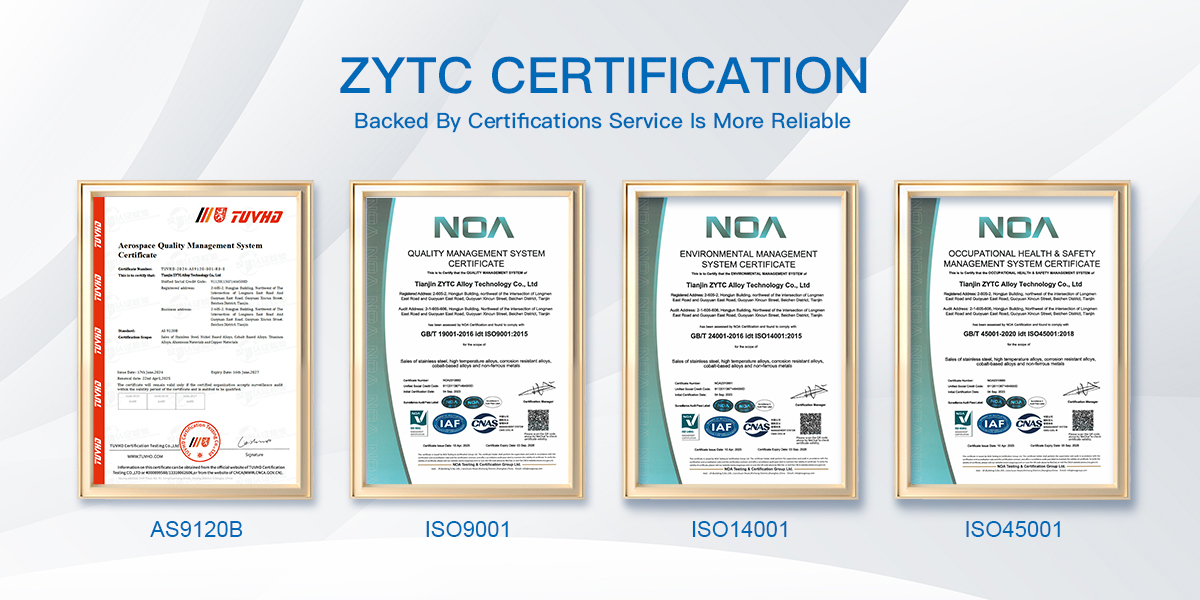
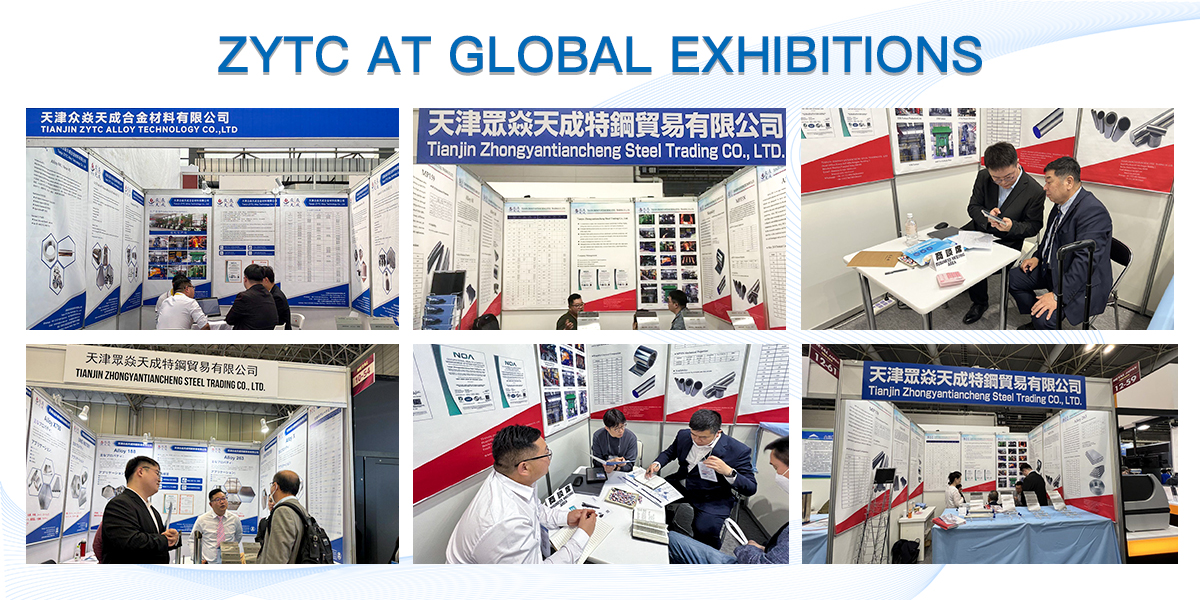
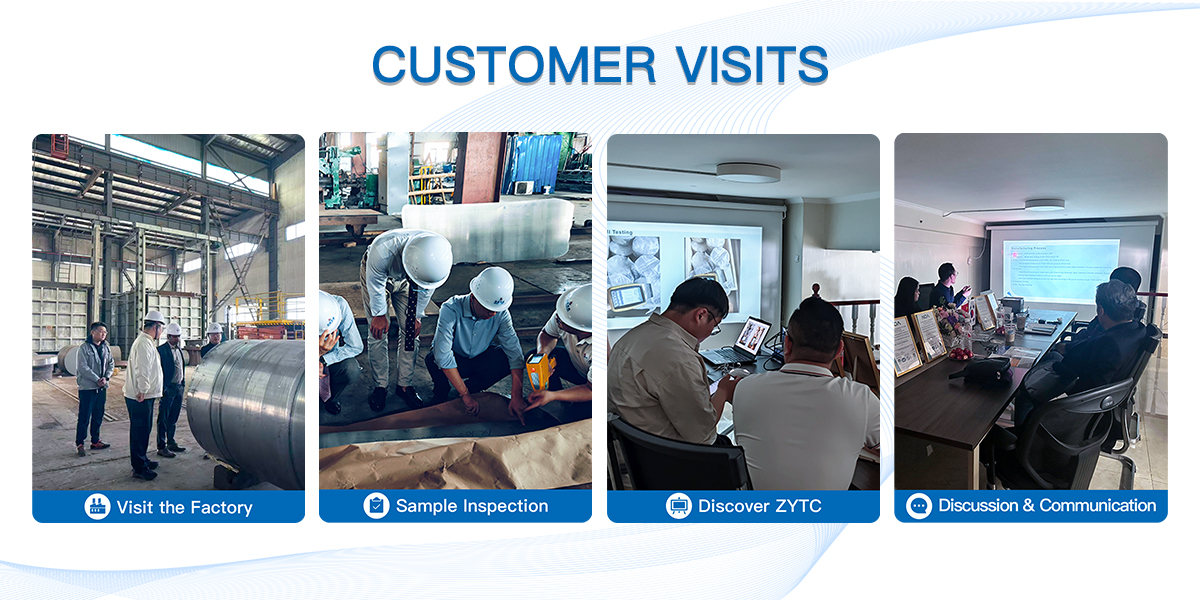
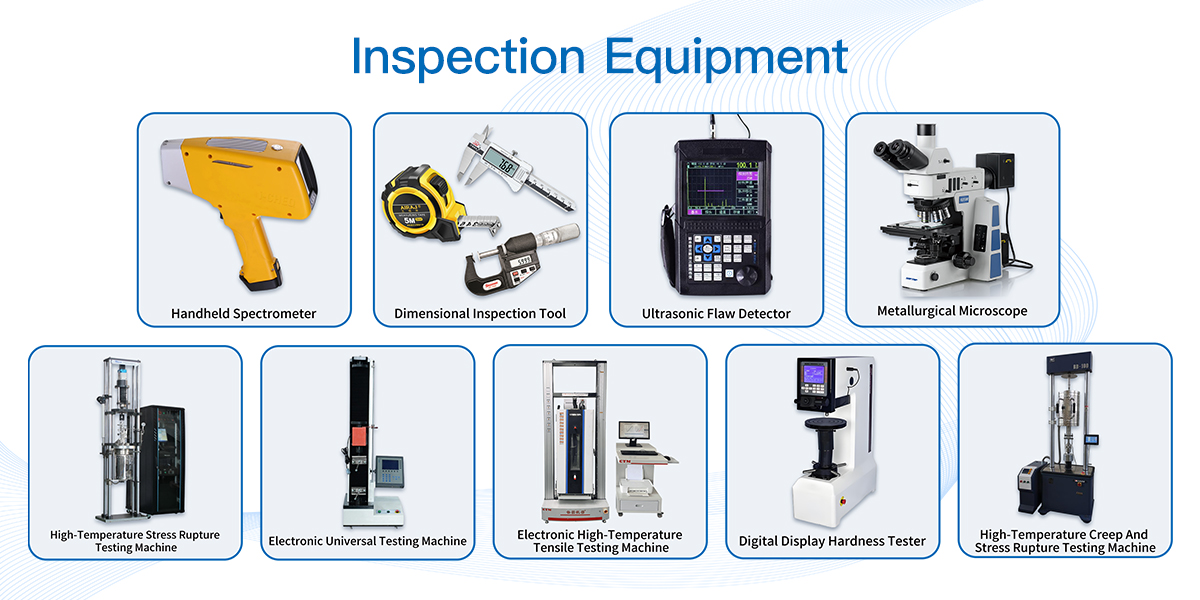
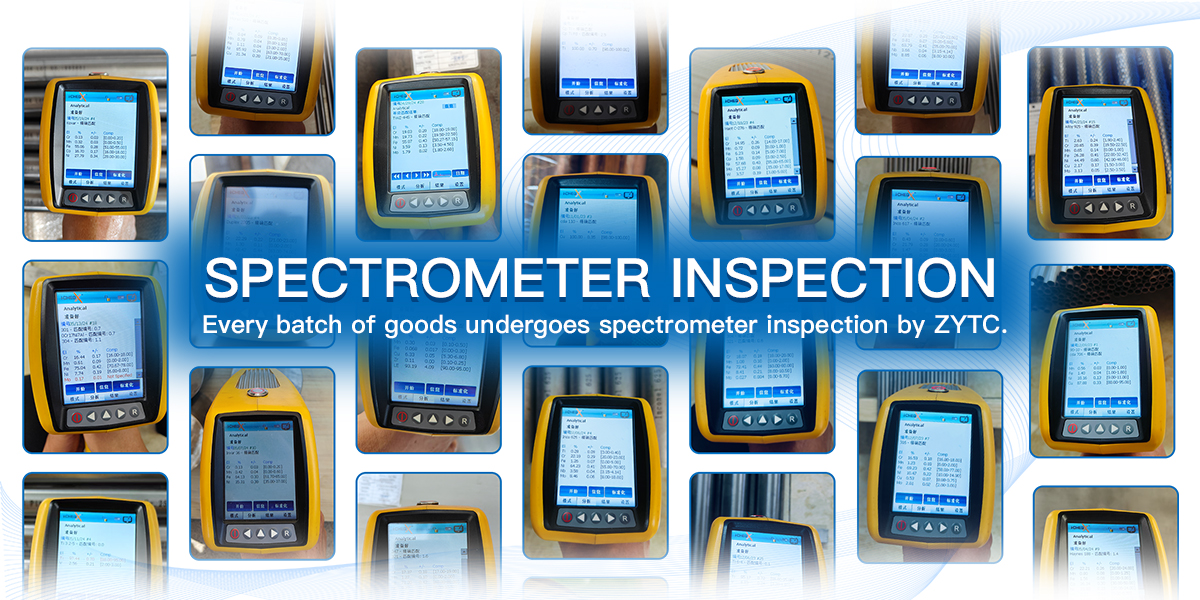
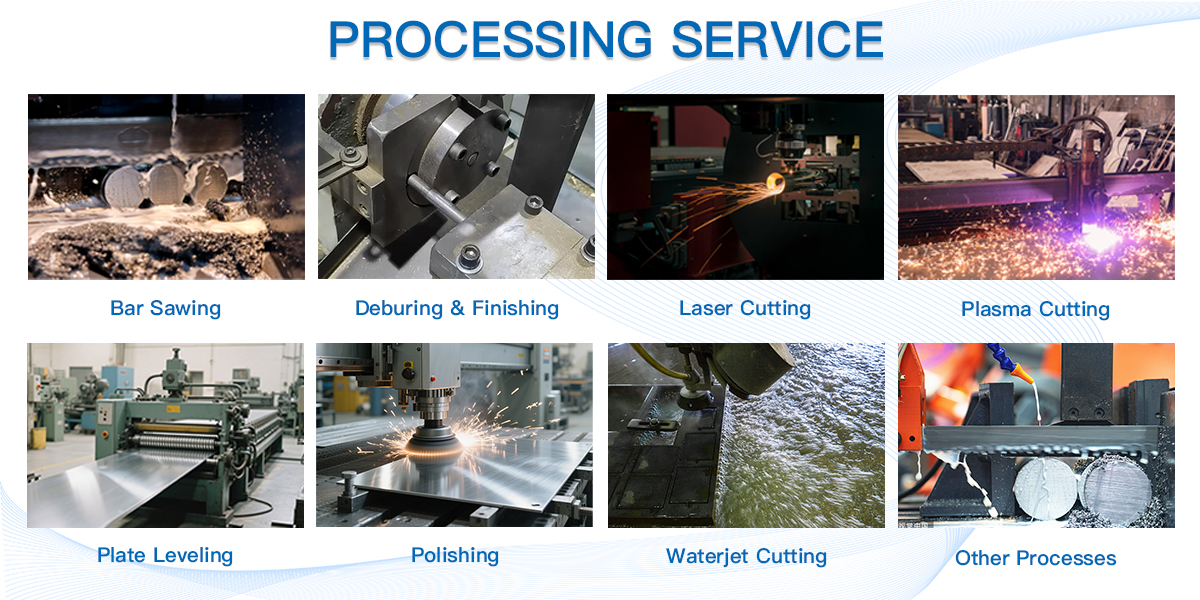
Why Source ASTM B443 Plate from ZYTC
Request a QuotePlease provide: thickness, width, length; form (sheet / strip / plate); grade (Grade 1 / Grade 2); quantity (kg or pieces); destination port; and any special certification or testing requirements. If you are unsure about Grade 1 vs Grade 2, include the service temperature and atmosphere — we will confirm the defensible choice before quoting. 📧 daisy@zytcsteel.com |