+86-17335753350

Model No: AMS 5532 / Multimet N155

AMS 5532 / Multimet N155 Heat-Resistant Sheet

AMS 5532J Multimet N155 (UNS R30155) sheet is an iron-base superalloy offering high strength up to 1350°F (732°C) and oxidation resistance to 1800°F (982°C). No age-hardening required — properties inherent in solution treated condition.
Delivery :
FOB
minimum order :
50 kilograms
Supply Ability :
5000kilograms / Month
Stock Time :
7-10Day
Country of Origin :
CHINA
Quantity :
Contact Now

AMS 5532 Multimet N155 Sheet: Engineering Selection, Welding & Verification Guide

Looking for full Multimet N155 (UNS R30155) chemical composition and mechanical properties? 

AMS 5532 covers Multimet N155 (UNS R30155) sheet, strip, and plate in the solution-treated condition. N155's value in sheet form is not room-temperature strength—it is structural stability and stress-rupture performance in the 700–870°C range, combined with oxidation resistance to 982°C. This guide explains the thin-wall-specific issues that determine whether the sheet performs in service: why it cannot be substituted for 718 on strength data, why HAZ cracking risk is higher in thin sections, and what to verify before accepting a shipment.


What AMS 5532 Actually Specifies—and What It Doesn't

AMS 5532 covers N155 sheet, strip, and plate in the solution-treated condition (1177°C / 2150°F). The key phrase is "solution-treated condition."  N155 does not rely on age hardening; its high-temperature properties are inherent in the solution-treated microstructure, which combines solid-solution strengthening (Cr, Co, W, Mo) with Nb/N/C carbonitrides pinning grain boundaries.

What this means for sheet procurement: The certificate must state the solution treatment temperature and confirm the condition. A sheet that has been “annealed” but not solution-treated at the specified temperature will not have the intended microstructure—and its stress-rupture performance will fall short, even if the chemistry is correct.

What AMS 5532 does not specify: Weldability, grain size, or surface condition for specific fabrication routes. These are the variables that determine whether the sheet will survive forming and welding without cracking—and they must be addressed in the technical agreement, not assumed from the standard.


The Substitution Trap: Why N155 Is Not"718 Sheet"

A common procurement error is to treat N155 as a drop-in replacement for 718 based on the assumption that both are"high-temperature superalloys."They are not interchangeable, and the difference matters more in sheet form than in bar.

ConsiderationAlloy 718 SheetN155 Sheet (AMS 5532)
Strengthening mechanismγ″/γ′ precipitation (age hardening)Solid-solution + carbonitride pinning
Room-temperature yield>1000 MPa (aged)~340–500 MPa (solution treated)
Behavior above 650°CStrengthening phases coarsen; strength declines over timeStructural stability exceeds age-hardening alloys in 700–870°C range
Primary value in sheet formHigh strength at moderate temperatureStress-rupture life and oxidation resistance at high temperature
WeldingRequires controlled process; HAZ liquidation possibleHAZ cracking tendency; preheat and post-weld solution treatment recommended

Procurement action: Do not specify N155 using 718 strength data. If your design requires high room-temperature yield strength, N155 is the wrong material. If your design requires long-term stress-rupture life at 700–870°C in a thin-wall component (tailpipe, combustor liner, furnace radiant tube), N155's solution-treated condition is the correct starting point.


Thin-Wall Welding: Why HAZ Cracking Matters More in Sheet

Industry sources note that N155 has a heat-affected zone (HAZ) cracking tendency during welding. In sheet form, this risk is more pronounced than in bar or heavy plate for two reasons:

① Lower thermal mass. Thin sheet heats and cools faster, producing steeper thermal gradients across the weld zone. This increases the strain experienced by the HAZ during the weld thermal cycle, raising the risk of cracking.

② Less constraint from surrounding material. In heavy sections, the surrounding cold metal constrains the weld zone; in thin sheet, there is less constraint, and the HAZ must accommodate more of the thermal strain on its own.

What this means for fabrication: The welding procedure must be defined in the technical agreement, not left to the fabricator’s standard practice. The WPS/PQR should confirm:

  • Preheat temperature (required for N155)

  • Interpass temperature limit

  • Whether post-weld solution treatment is performed (recommended to restore toughness in the HAZ)

  • Heat input range

Procurement action: If the sheet will be welded into a thin-wall structure, require the fabricator to provide a WPS/PQR that addresses these four points before production begins. HAZ cracking discovered after welding means batch rework, not a minor repair.


Service Temperature and Stress: Two Different Limits

The datasheet gives 732°C for high strength and 982°C for oxidation resistance. These apply to different stress levels, and in sheet form the distinction is critical:

  • ~732°C: Components carrying relatively high stress (high-temperature bolts, turbine parts). At this temperature, N155’s stress-rupture strength is the design driver.

  • ~982°C: Components at moderate stress where oxidation resistance dominates (tailpipes, combustor liners, radiant tubes). At this temperature, the sheet’s oxidation resistance determines service life; stress levels must be moderate.

Between the two: Strength and oxidation resistance must be evaluated separately. Do not extrapolate from the 732°C strength value to a higher temperature, and do not assume that oxidation resistance at 982°C implies adequate strength at that temperature.

Procurement action: State service temperature and stress level in the inquiry. Above 800°C at relatively high stress, request stress-rupture data for the specific temperature and stress combination—do not rely on extrapolation.


Chemical Composition and the Cobalt Cost Risk

ElementContent (wt%)
Cr20.00 – 22.50
Ni19.00 – 21.00
Co18.50 – 21.00
Mo2.50 – 3.50
W2.00 – 3.00
Nb0.75 – 1.25
N0.10 – 0.20
C0.08 – 0.16
Mn1.00 – 2.00
Si≤ 1.00
FeBalance

Cobalt — a procurement risk in sheet form: Co (18.5–21%) is the primary cost driver and the first element to be reduced in substituted material. For thin-wall components where stress-rupture life is the design driver, cobalt content directly affects high-temperature stability. Require measured Co on the certificate, not just a statement of “conforms.” A cobalt value at the low end of the range may be acceptable for moderate-stress applications but should be evaluated against your stress-rupture requirements for critical components.


Supply Specifications

ItemParameter
StandardAMS 5532J / UNS R30155
FormPlate, sheet, strip
ConditionSolution treated (1177°C / 2150°F) — stated on certificate
Thickness rangeConfirmed per inquiry
Other formsBar/forgings (AMS 5769), welding wire (AMS 5794/5795)
CertificateEN 10204 3.1, measured chemistry and mechanicals, including measured Co

How ZYTC Verifies N155 Sheet Before Shipment

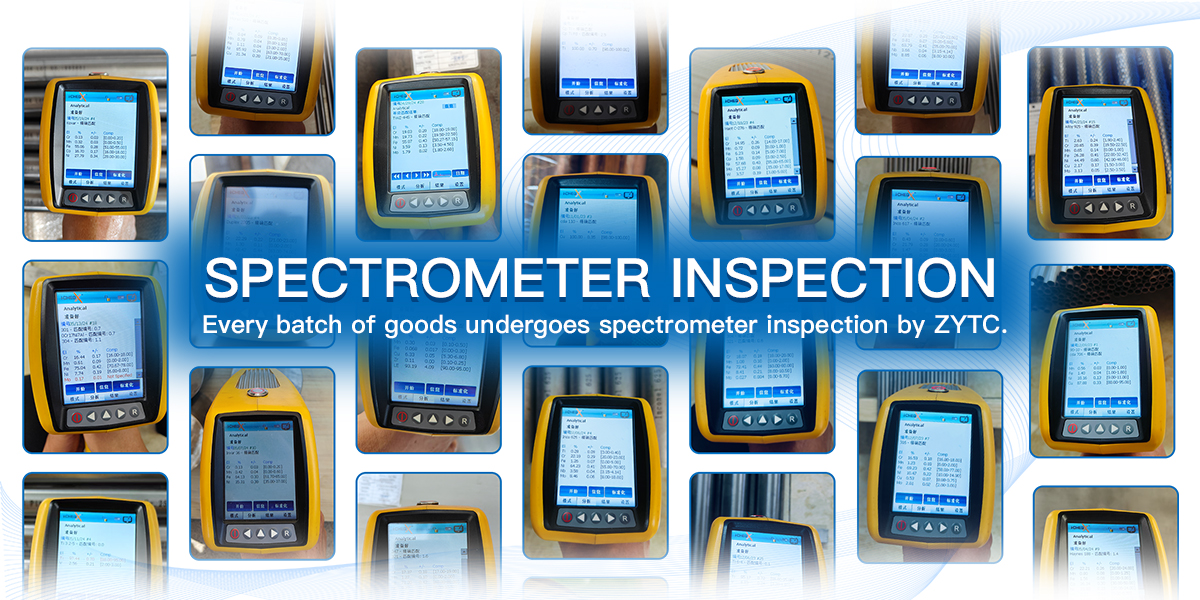
For thin-wall N155 components, the acceptance criteria go beyond chemistry. ZYTC verifies every batch using:

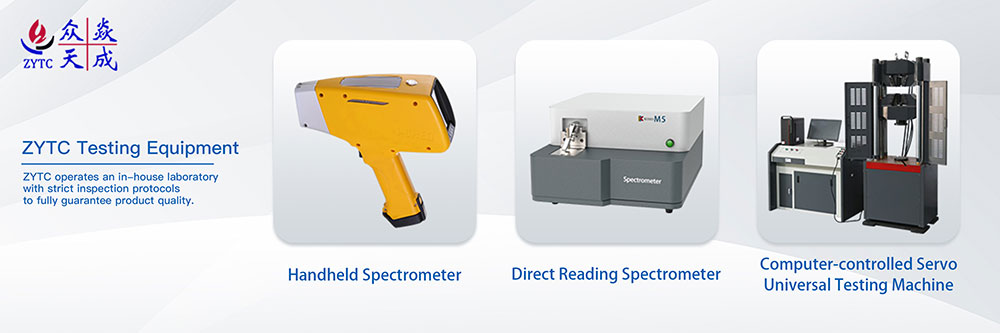
  • Direct Reading Spectrometry: Confirms Cr, Ni, Co, Mo, W, and Nb within the specified windows; Co is reported as a measured value for cost-sensitive applications.

  • Solution Treatment Documentation: The certificate states the solution treatment temperature and confirms the 1177°C condition was achieved—this is the process step that determines stress-rupture performance.

  • Grain Size Verification (on request): For combustor liner and tailpipe applications, finer grain improves fatigue resistance in thin-wall sections. Grain size can be measured per ASTM E112 and reported with the batch.

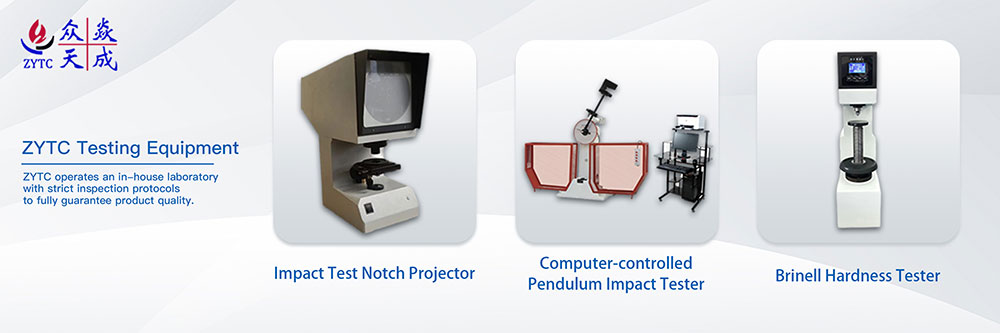
  • Mechanical Testing: Room-temperature tensile testing confirms the solution-treated condition meets AMS 5532J requirements; stress-rupture testing is available on request for critical applications.


Applications (and Where N155 Is Not Suitable)

Suitable applications:

  • Aerospace: Tailpipes, tail cones, afterburner components, high-temperature bolts

  • Industrial furnaces: Furnace rolls, radiant tubes, heat-treat fixtures — long-term high-temperature, moderate-stress service

  • Combustor liners and other thin-wall components where oxidation resistance and stress-rupture life are the design drivers

Not suitable for: Components requiring very high yield strength at room or moderate temperature — use 718 or another age-hardening alloy. N155’s solution-treated yield strength (~340–500 MPa) is substantially lower than 718’s aged yield strength.


Request a Quote

To receive a material recommendation and a quotation with full test documentation, please provide:

  1. Application: Tailpipe, combustor liner, furnace radiant tube, high-temperature bolt, or other

  2. Service temperature and stress level

  3. Whether welding is involved (and if so, the welding process)

  4. Dimensions: Thickness, width, length

  5. Quantity (kg or sheets)

  6. Certification requirements: EN 10204 3.1 with measured Co, grain size data (if required), stress-rupture data (if required)

If the component involves welding or service above 800°C, note this in the inquiry — we will confirm incoming condition and process compatibility before quoting.

📧Email:daisy@zytcsteel.com
📱WhatsApp/WeChat: +86 17335753350

 
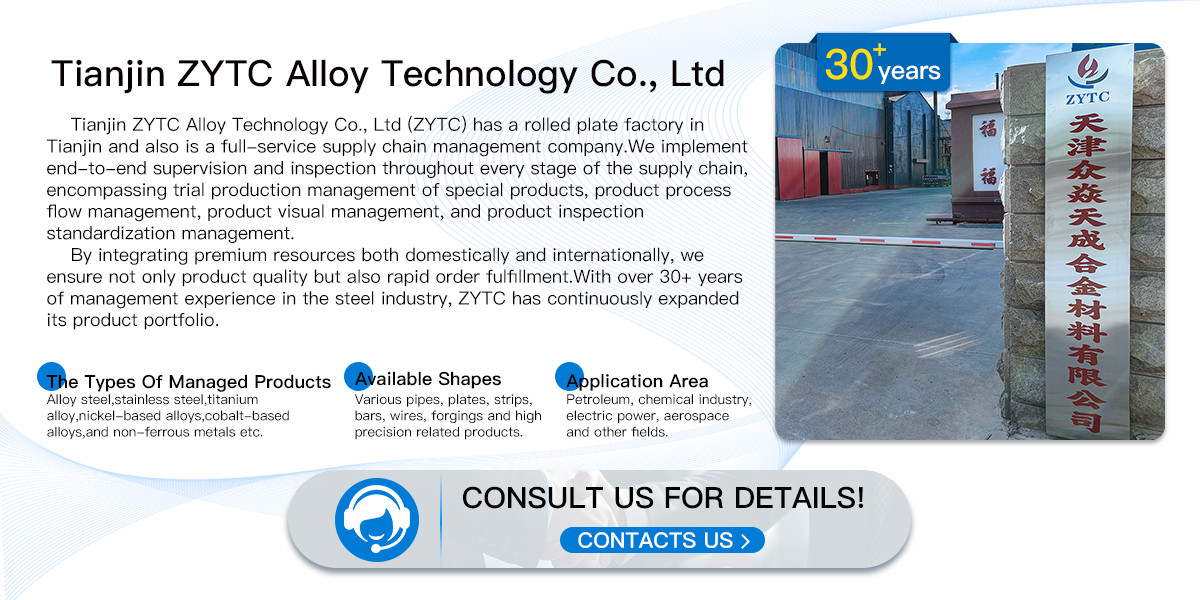
Tianjin ZYTC Alloy Technology Co., Ltd
 
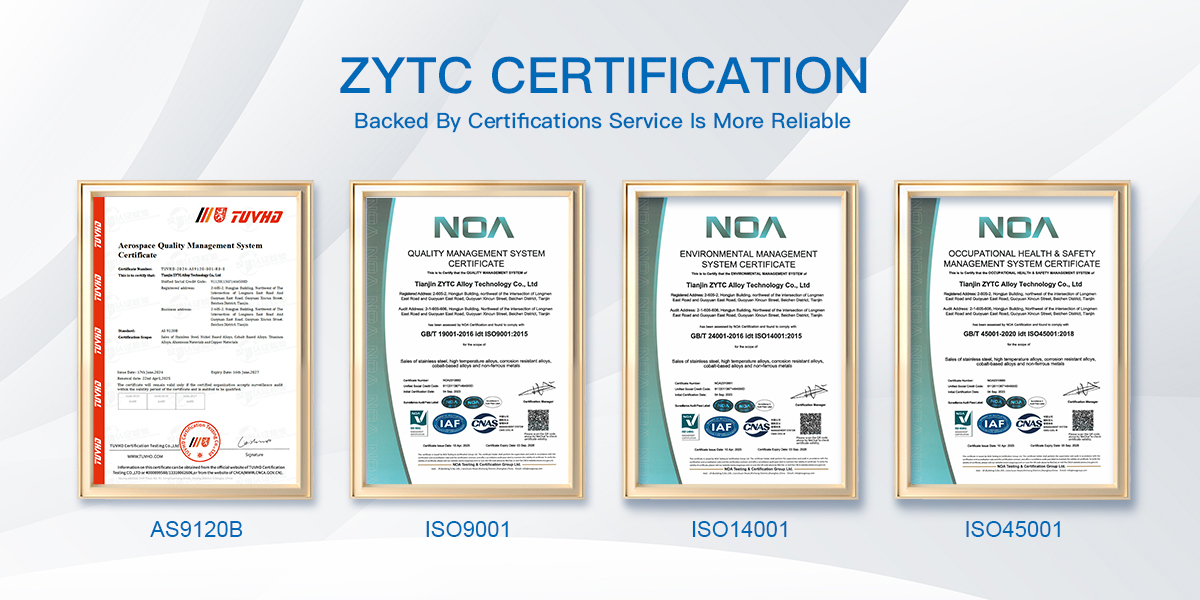
 ZYTC Alloy CERTIFICATION
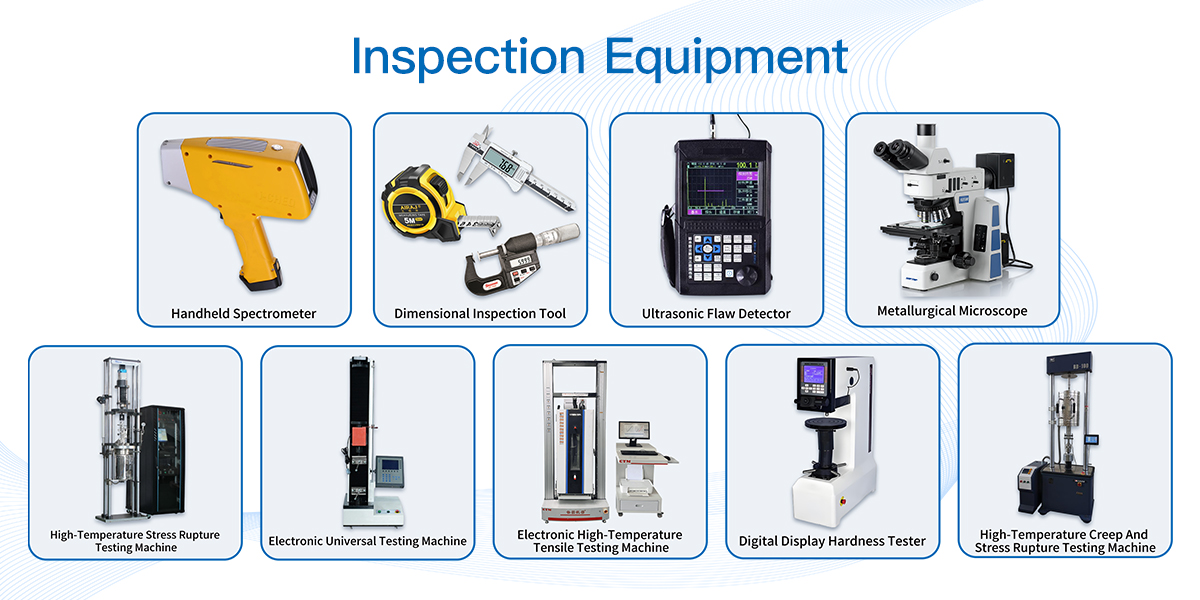
Inspection Equipment