AMS 5878 / UNS N06230 / Alloy 230 Sheet Factory Price
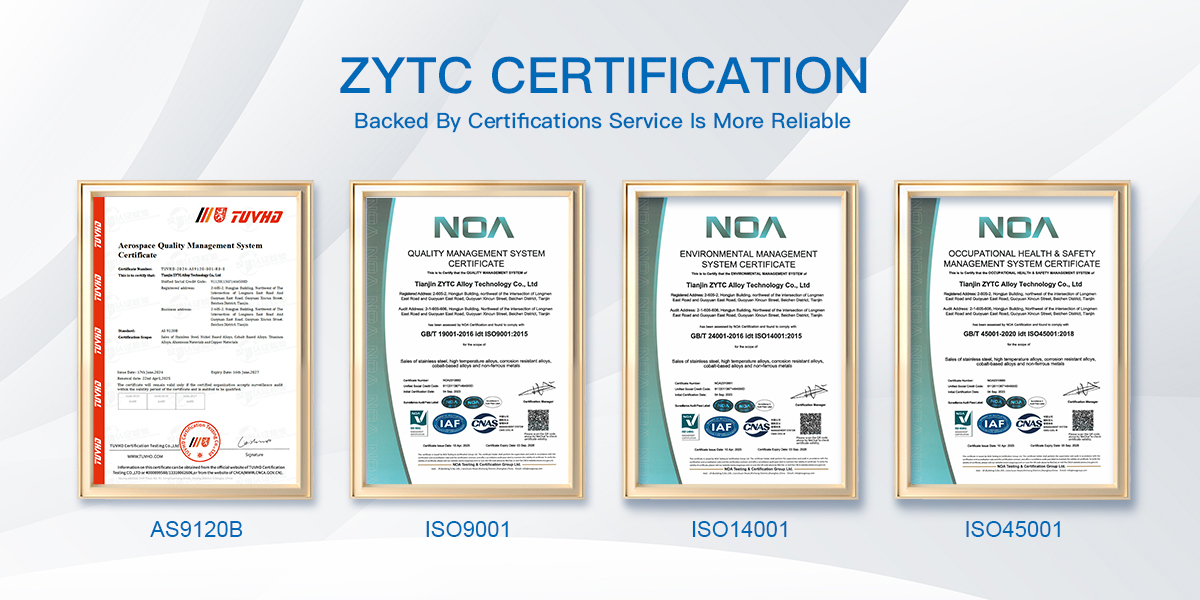
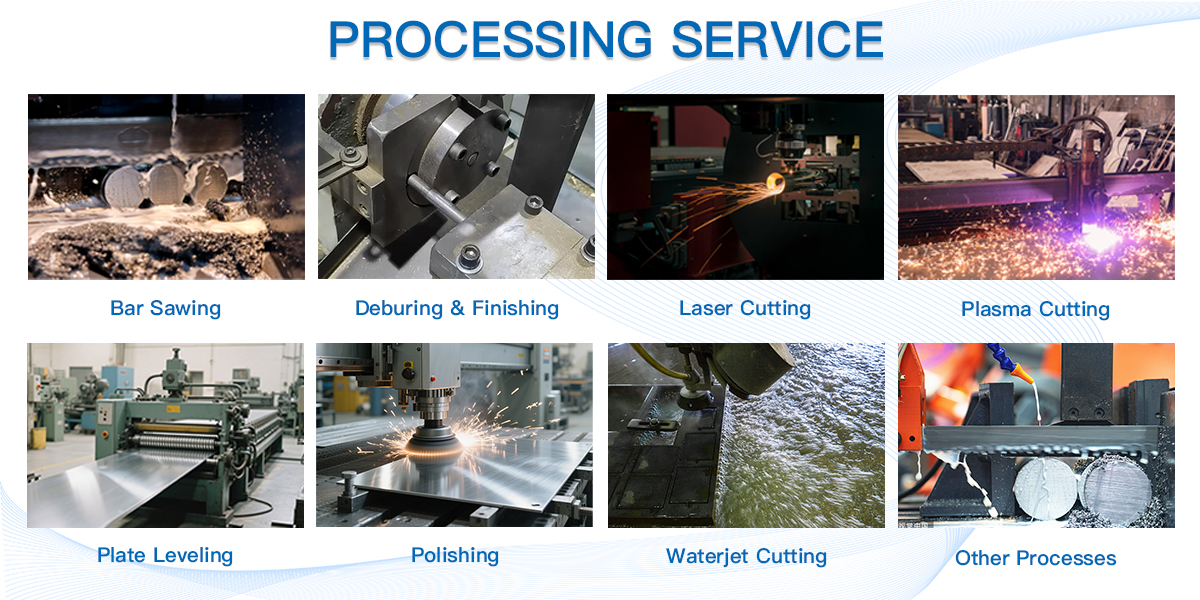
AMS 5878 / Alloy 230 Sheet & Plate — Thickness, Forming & Procurement GuideFor combustion can, transition duct, and heat-treat fixture engineers, and high-temperature alloy buyers — supplied by ZYTC Alloy, ISO 9001 certified manufacturer and exporter What This Specification Covers, and Where Plate Procurement Gets HardAMS 5878 covers Alloy 230 (UNS N06230 / Haynes 230)sheet, strip, and plate, nominal thickness 0.015 to 1.5 in (0.38 to 38 mm). Chemistry is 59Ni-22Cr-2Mo-14W-0.35Al-0.03La; supply condition is solution heat treated. Plate procurement works differently from bar. With bar you buy"diameter and condition."With plate you buy thickness + surface + downstream forming route. A 3 mm Alloy 230 sheet for a cold-formed combustor liner and the same nominal thickness for a machined flange are not the same purchase. ZYTC Alloy supplies AMS 5878 Alloy 230 sheet, plate, and strip in solution heat treated condition, with pickled, ground, or peeled surface options. Thickness Determines What You Need to Watch
The hidden thick-plate risk: Solution treatment requires rapid cooling. Thin sheet cools fast with little surface-to-core difference; thick plate (especially >25 mm) cools more slowly at mid-thickness, and inadequate control can precipitate carbides at grain boundaries, affecting high-temperature toughness. The standard does not mandate through-thickness verification — but if the plate is for pressure-boundary or long-term high-temperature service, specify mid-thickness mechanical or metallographic data on the PO. This is the step most often skipped and hardest to correct later. Forming and Welding: Three Things the Data Sheet Doesn't Spell OutSpringback is more pronounced than in carbon or stainless steel. Alloy 230 cold-forms well in the annealed condition, but its high strength and elastic modulus produce significant springback after bending and stamping. Die clearance must account for the alloy's springback behavior — do not apply stainless steel experience directly. For complex combustor shapes, run a forming trial before cutting the tool. Control weld heat input. GTAW (TIG) and GMAW (MIG) are both suitable; matching filler is ERNiCrWMo-1. For thin sheet, use low heat input and narrow passes, with interpass temperature below 150°C, to avoid grain coarsening. Thick-section weldments carry a hot-cracking risk; research suggests low-boron filler wire to reduce it. Post-weld solution treatment is usually not required. For conventional thicknesses, no post-weld heat treatment is mandatory. Only very thick sections or highly restrained fabrications warrant solution treatment for residual stress relief. Do not assume"weld then heat treat"by default — that is a precipitation-hardening alloy habit, not an Alloy 230 requirement. Surface Condition Sets the Starting Point for Your Process
Grinding burn or embedded contamination on incoming surface directly affects forming and welding quality. Surface condition is a process decision, not an appearance issue — state your downstream operation in the inquiry and we will recommend the matching surface. Mechanical Properties (Typical, Alloy 230 Plate)
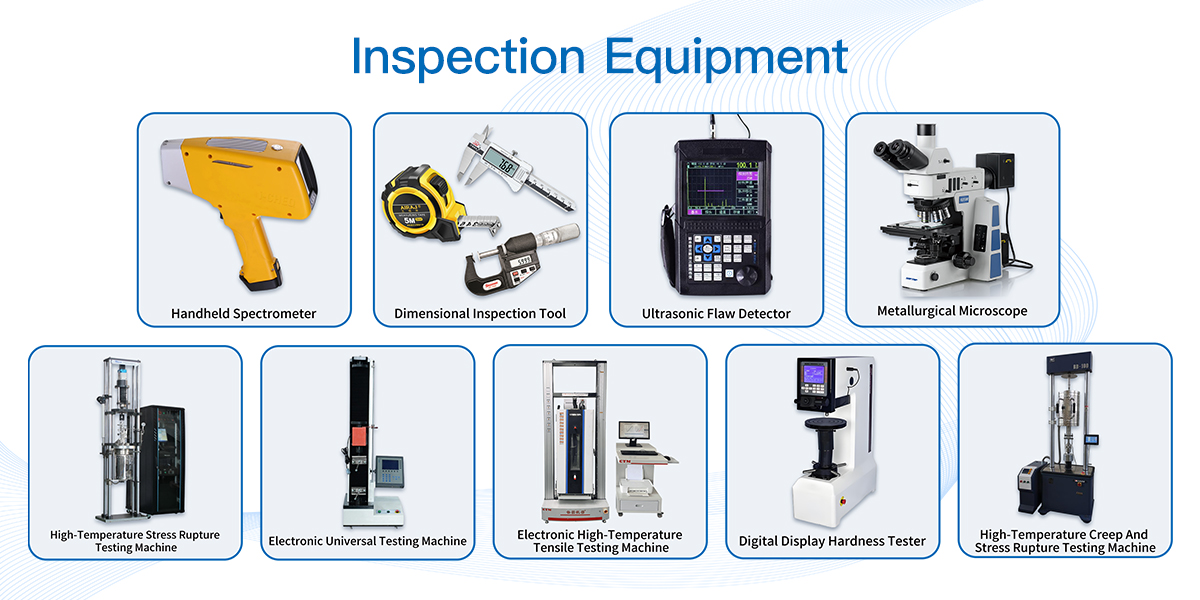
Typical published plate data; actual values per mill certificate. Sheet and plate properties differ — confirm sheet data separately. Why Source AMS 5878 Plate from ZYTC
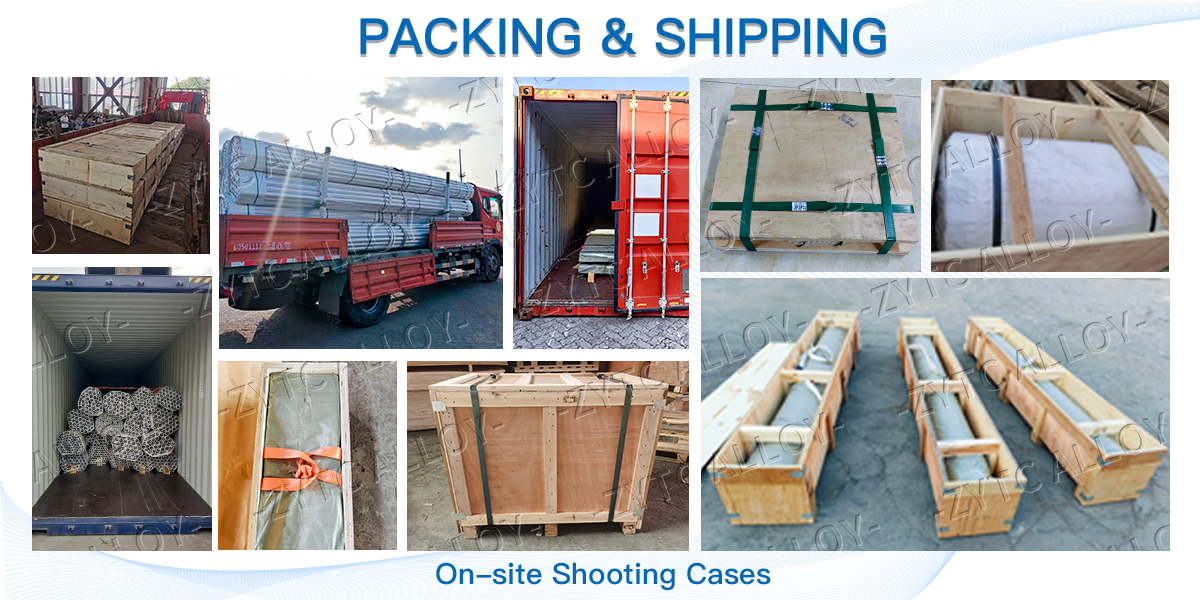
Request a QuotePlease provide: thickness, width, length, surface requirement, downstream operation (cold forming / welding / machining), quantity, and whether third-party testing or mid-thickness data is required. If thickness is above 25 mm and the part is a high-temperature pressure-boundary component, note this in the inquiry — we will confirm the mid-thickness verification plan up front. 📧 daisy@zytcsteel.com |