AMS 5860 / UNS S45500 / 455 Stainless Steel Sheet
AMS 5860 covers Custom 455 (UNS S45500) sheet, strip, and plate in the annealed condition. The headline property is high yield strength after a single-step aging treatment — but the property that changes how you manufacture the part is something else entirely. Custom 455 undergoes a dimensional change of only about −0.001 in/in during hardening . This is roughly −0.1%. For a 100 mm dimension, that is about 0.1 mm. In practice, this means you can finish-machine the part in the annealed condition and then age it, and the dimensions will still be within tolerance. This is not a minor detail. It removes the need for the “rough machine → age → finish machine” sequence that is standard practice for many precipitation-hardening alloys. For small, tight-tolerance components — medical instrument parts, precision fasteners, aerospace brackets — this can simplify the process route and reduce machining cost . Procurement action: If your part requires tight tolerances, specify Condition A (annealed) on the PO and machine to final dimension before aging. Confirm with the supplier that the certificate reports the annealed condition and that the dimensional change on aging is consistent with the −0.001 in/in figure. Aging Condition Selection: H900 Is Not Automatically the Right ChoiceThe original page lists H900 through H1150 with strength and elongation values. What it does not show is the toughness trade-off. Data from NASA testing on Custom 455 aged at 950°F (H900 equivalent), 1000°F, and 1050°F show a clear trend: the H900 condition exhibits significantly lower notched tensile strength at low temperatures and lower Charpy impact energy compared to H1000 and H1050 . Another dataset shows Charpy impact energy of approximately 11 ft-lbs at H900 versus 45 ft-lbs at H1000 and 100 ft-lbs at H1050 . What this means for design: If the component will experience impact loading, low-temperature service, or stress concentrations (threads, fillets, sharp transitions), H900’s higher strength may come at the cost of toughness. H1000 or H1050 may be the more defensible choice even though the yield strength number is lower. Procurement action: Specify the aging condition based on the failure mode — strength-driven or toughness-driven. If the drawing says only “aged per AMS 5860,” the supplier may default to H900. State the condition explicitly (e.g., “Age per H1000”) on the PO. Custom 455 vs. 17-4PH: When the Premium Is JustifiedCustom 455 and 17-4PH are both martensitic precipitation-hardening stainless steels and are frequently compared. The difference is not corrosion resistance — both offer similar atmospheric and mild aqueous performance. The difference is strength ceiling and heat treatment stability. At equivalent aging temperatures, Custom 455 achieves higher yield strength than 17-4PH. At H900, Custom 455 yield strength is approximately 1450–1690 MPa depending on product form and section size , while 17-4PH H900 yield is typically around 1170 MPa. Custom 455 also offers better weldability and more consistent heat treatment response . When 455 is worth the premium: the design is pushing against the strength limit of 17-4PH, or the part requires a combination of high strength and good toughness that 17-4PH cannot deliver at the same strength level. When17-4PH is sufficient: the required strength is within 17-4PH’s range, cost is a driver, and the supply chain already has qualified 17-4PH processing. Welding: Re-Aging Is Not OptionalCustom 455 can be welded by shielded fusion and resistance methods; oxyacetylene welding is not recommended . The alloy is normally welded in the annealed condition and reaches full strength only after aging. The critical point:weldmentsmust be re-aged after welding, or the heat-affected zone will not reach parent-metal strength . If the part is welded after aging, the weld and HAZ will be under-strength relative to the parent metal. Research on laser wire-fill welding of 3 mm Custom 455 plate showed that a post-weld solution treatment at 850°C for 40 minutes followed by aging produced a joint tensile strength of 1761 ± 23 MPa, with weld hardness reaching 512 HV . Direct aging without solution treatment produced higher hardness but lower tensile strength. Procurement action: If the component involves welding, specify the post-weld heat treatment sequence in the technical agreement. Do not assume “weld then age” is sufficient for critical joints — the HAZ may require solution treatment before aging to restore uniformity. Chemical Composition (UNS S45500)
The low carbon content (≤0.05%) limits carbide precipitation at grain boundaries, reducing the risk of cracking after welding. Copper and titanium are the primary strengthening elements — the aging treatment precipitates copper-rich phases that provide the strength increase . Supply Specifications from ZYTC Alloy
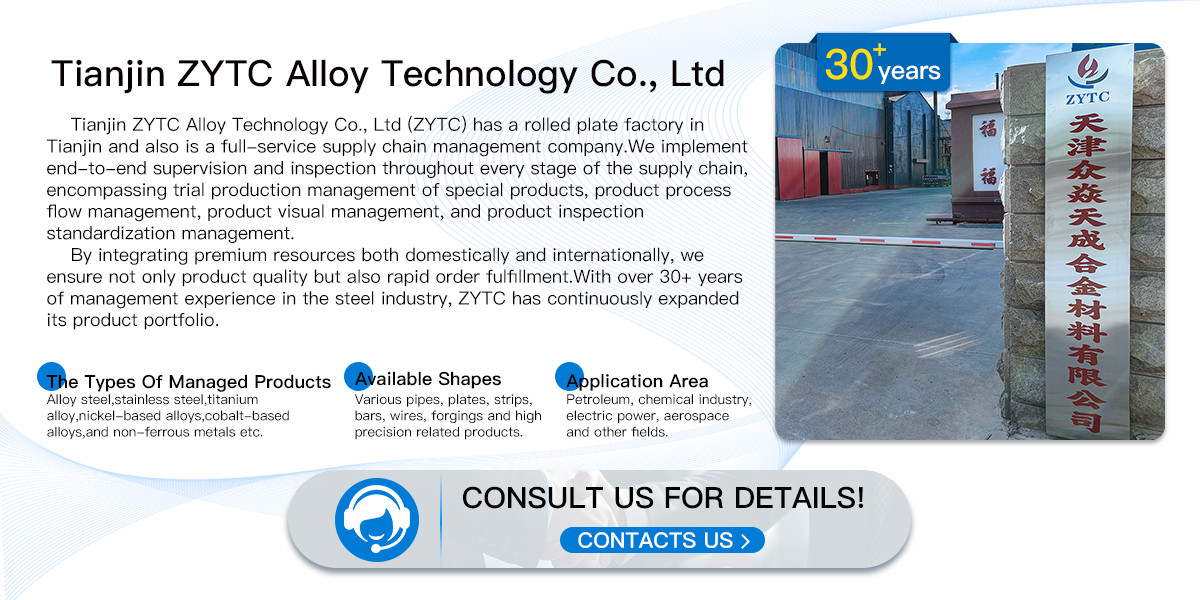
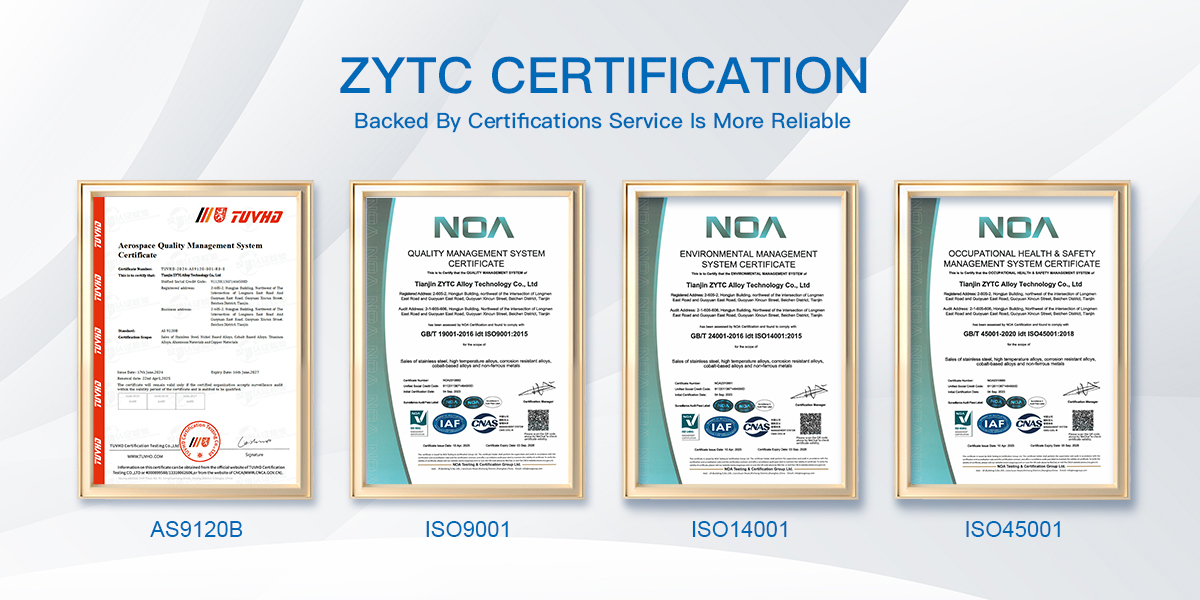
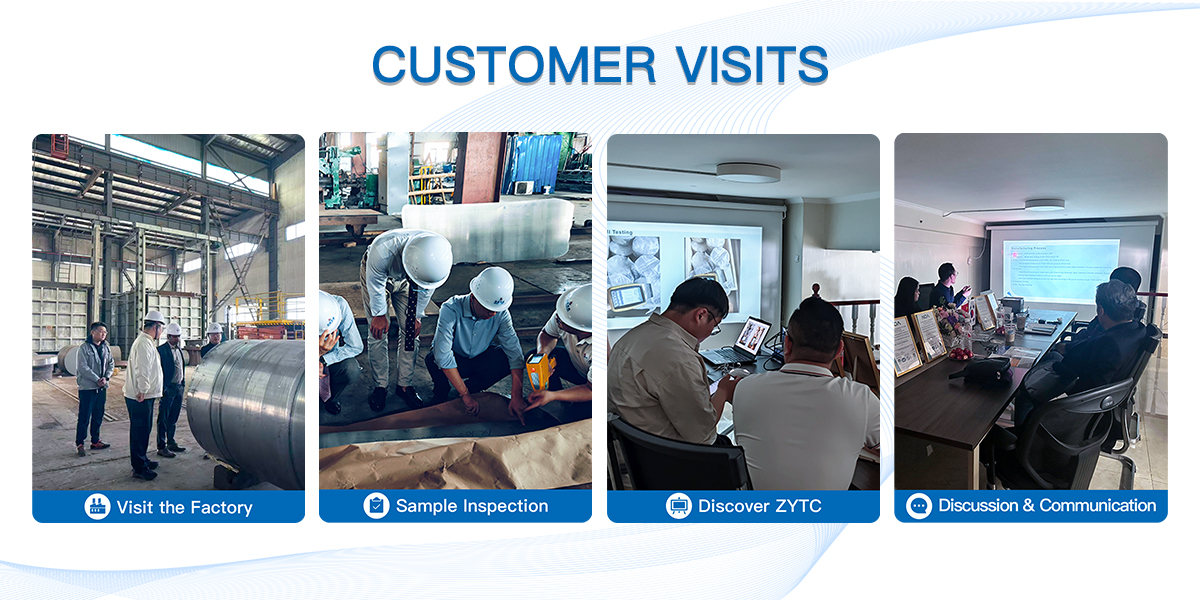
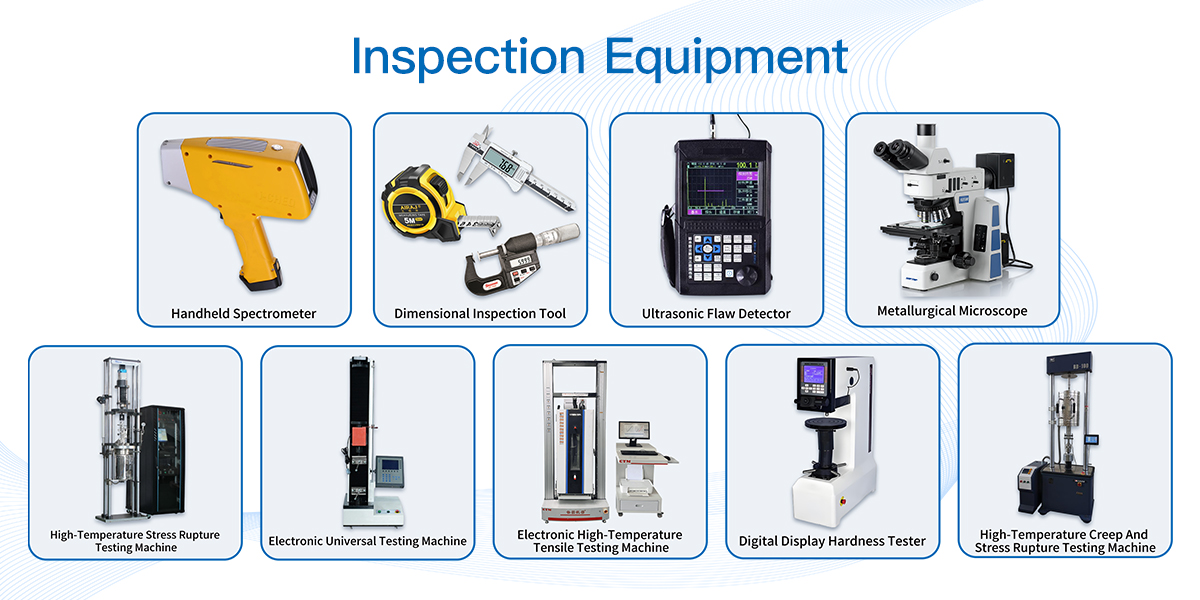
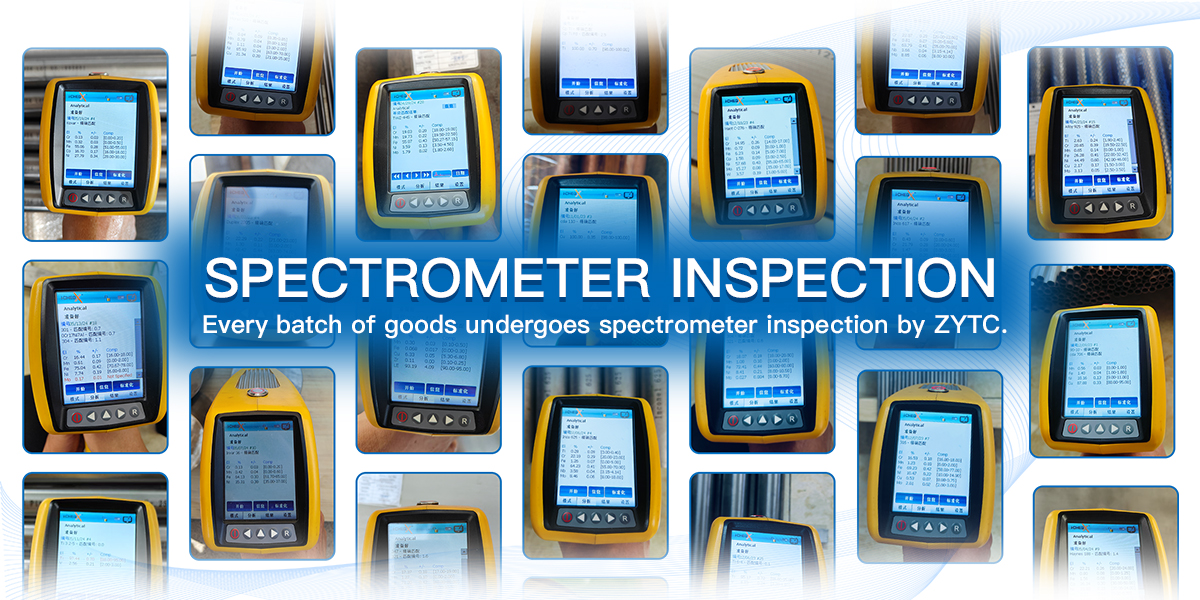
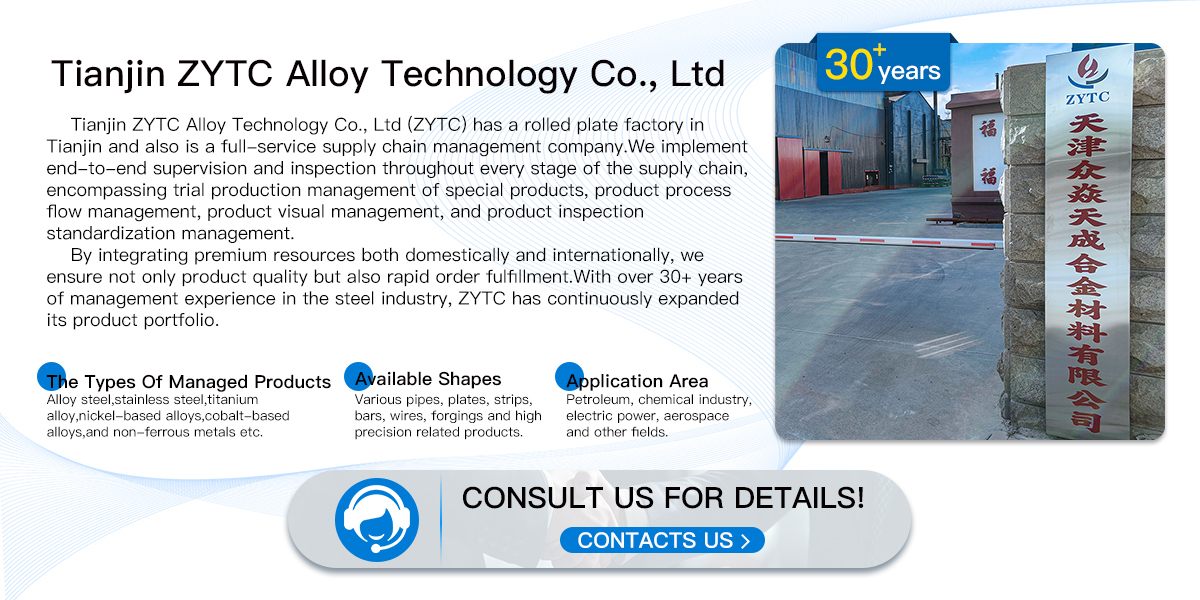
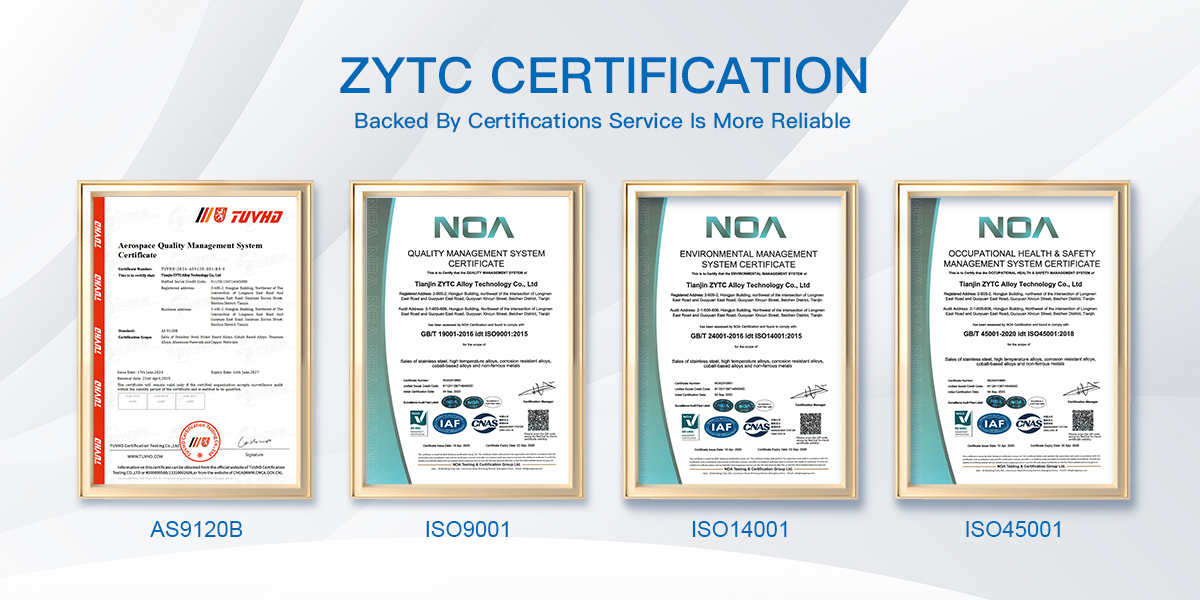
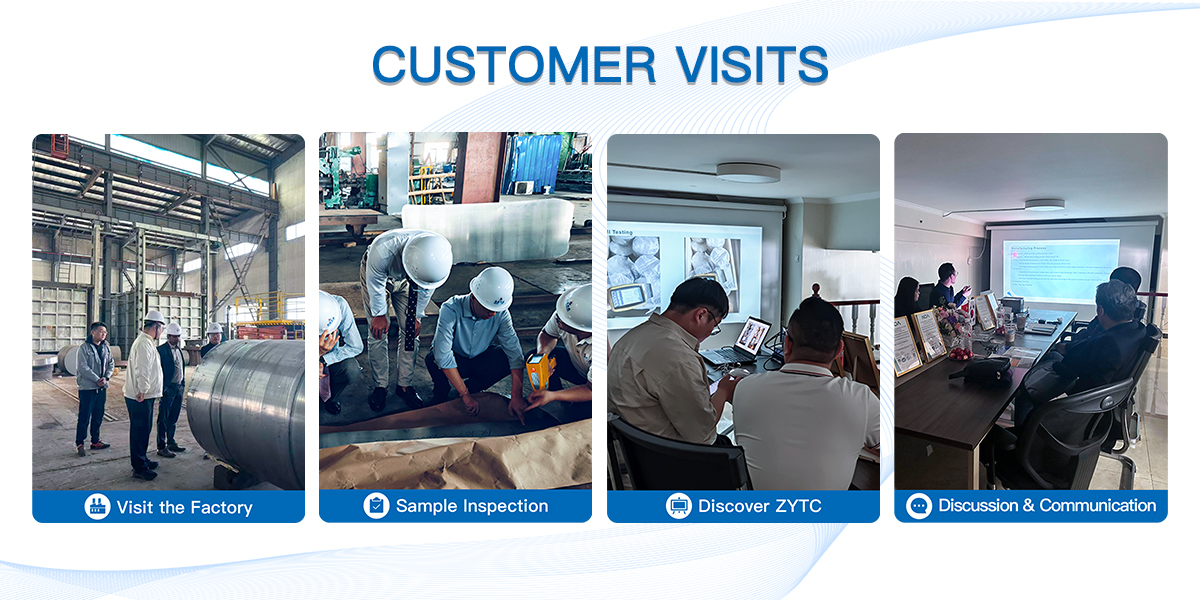
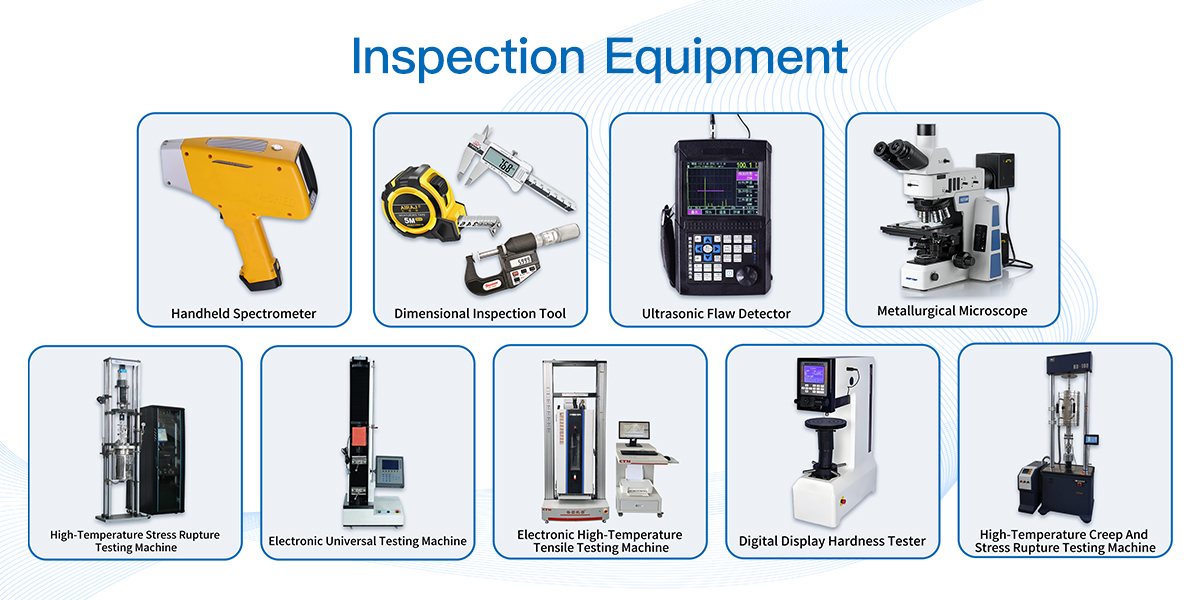
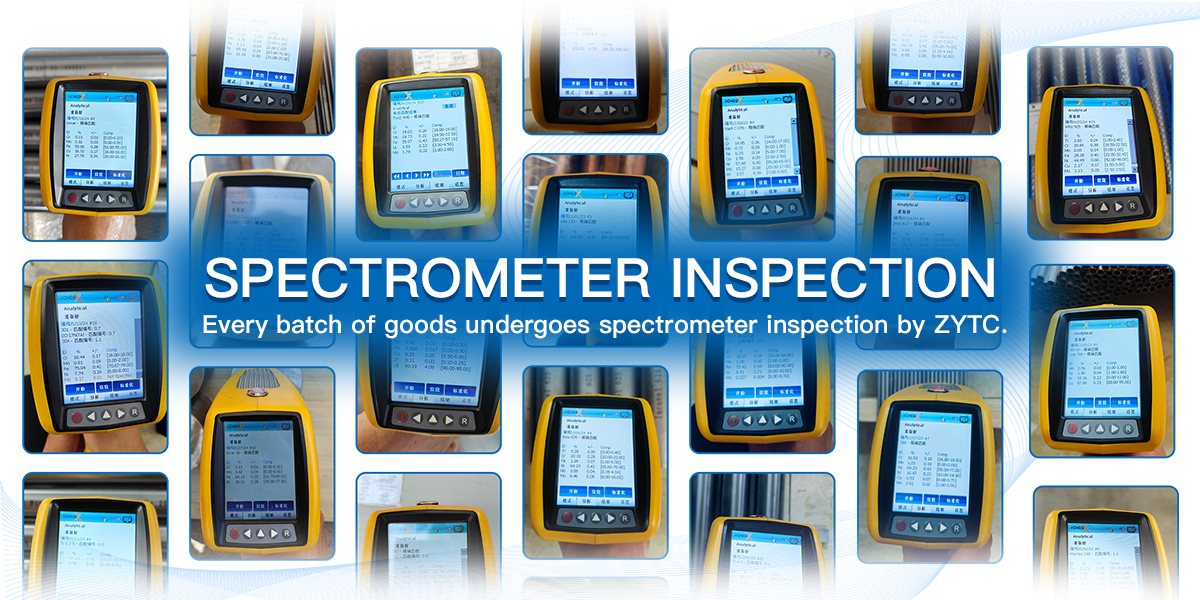
Condition confirmation: If the part will be machined before aging, specify Condition A and confirm the dimensional change figure with the certificate. If the part will be supplied in the aged condition, specify the aging temperature (H900 / H1000 / H1050 / etc.) explicitly — do not rely on “aged per AMS 5860” alone. Typical ApplicationsAerospace: structural brackets, actuator housings, fasteners requiring high strength and corrosion resistance . Medical instruments: endoscopic components, surgical instrument parts where the low dimensional change on aging allows finish machining before hardening . High-strength fasteners: bolts, screws, and rivets for corrosive environments where 17-4PH strength is insufficient. Industrial: shafts, spindles, and components requiring a combination of strength and moderate corrosion resistance . Why Source from ZYTC Alloy
Request a QuotePlease provide: thickness, width, length, supply condition (Condition A / aged), aging temperature if aged (H900 / H1000 / H1050 / etc.), downstream process (machining before aging / welding / direct service), quantity, and whether measured dimensional change data or third-party testing is required. If the part requires tight tolerances and will be machined before aging, note this in the inquiry — we will confirm the incoming condition and dimensional change figure before quoting. 📧 daisy@zytcsteel.com |