Sourcing MP35N Cobalt Alloy: A Technical Guide to Material States and Supplier Audits
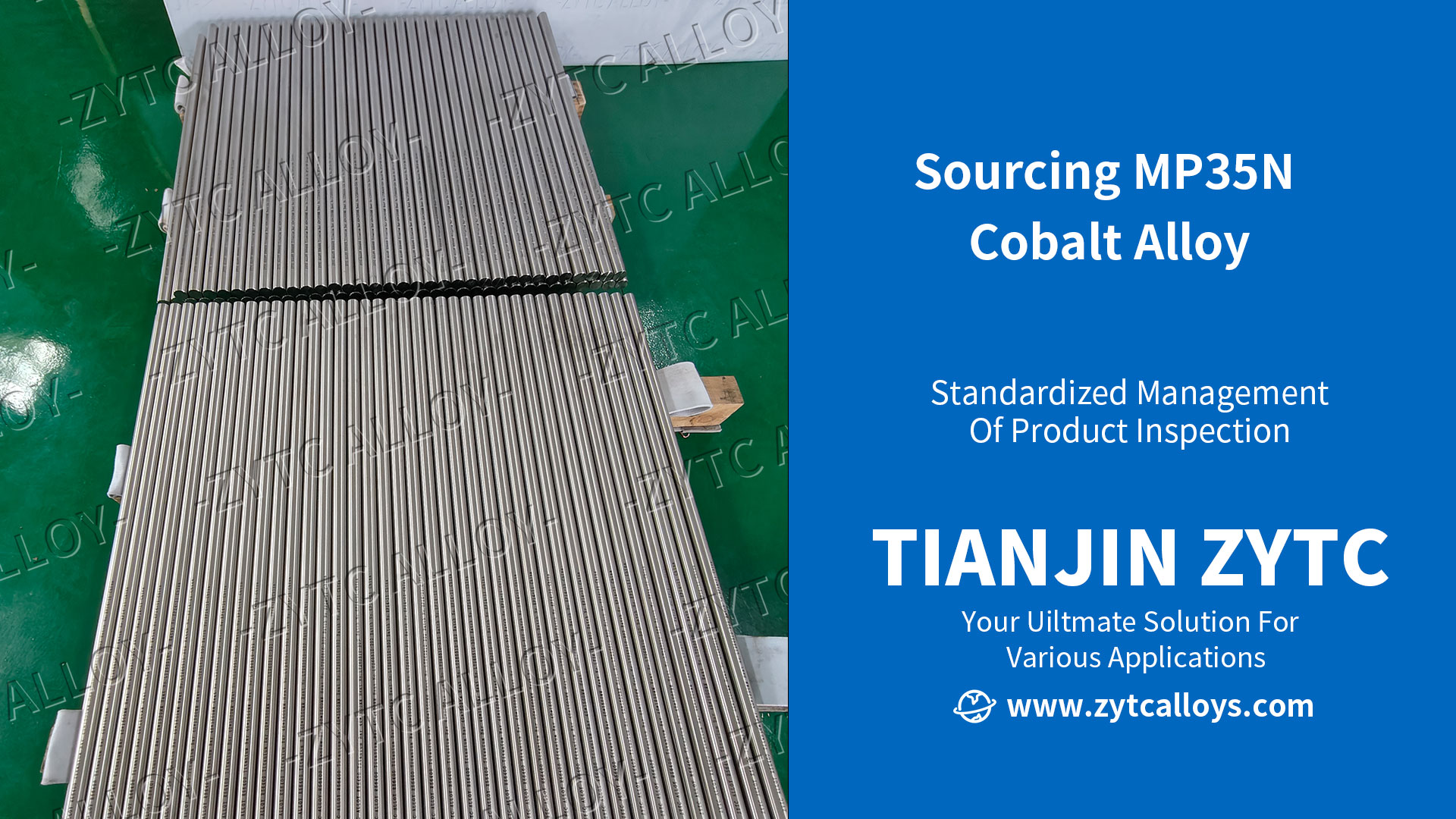
In high-end manufacturing, MP35N (UNS R30035) occupies a unique niche. It is not a universal alloy, but in the narrow intersection of ultra-high strength, corrosion resistance, and biocompatibility, it is an irreplaceable choice for aerospace fasteners, deep-sea oil and gas seals, and orthopedic implants.
However, because its performance is highly dependent on the precise matching of cold work and aging processes, sourcing MP35N is fundamentally different—and much riskier—than buying standard stainless steel. This guide breaks down the critical, often-overlooked technical steps in MP35N procurement, providing a practical evaluation framework for engineers and procurement teams.
Clarifying the Material State: Which Stage of MP35N Are You Buying?
Most sourcing failures happen because buyers confuse the delivery condition with the final service performance. MP35N's strengthening mechanism is not just simple precipitation hardening; it is a dual path of "cold work-induced transformation + aging precipitation."
-
Annealed State: Tensile strength usually ranges from 800–1000 MPa. It is soft and suitable for complex machining or cold forming.
-
Cold Worked State: Depending on the reduction ratio, strength can climb to 1400–1900 MPa.
-
Cold Worked + Aged State: This is where MP35N truly shines. Tensile strength reaches 1900–2200 MPa.
The Procurement Trap: A common mistake is ordering "aged" bars to achieve high hardness, only to realize later that the material can only be ground or EDM-machined. MP35N has an extremely high work-hardening rate; machining it in the aged state is almost impossible. Always lock in the "delivery state" and the "downstream manufacturing phase" in your purchase contract.
Beyond the Spec Sheet: The Real Threshold of ASTM F562 vs. AMS
Most MP35N purchase orders reference ASTM F562 (medical implant grade) or AMS (aerospace grade). While these standards dictate the chemical composition (e.g., Ni 33–37%, Cr 19–21%), the true differentiator between suppliers lies in melting practices and impurity control.
Premium MP35N is typically produced via VIM (Vacuum Induction Melting) + VAR (Vacuum Arc Remelting), or even triple melting (VIM+ESR+VAR) for stricter applications. These processes reduce oxygen, nitrogen, and sulfide inclusions. Why does this matter? Under ultra-high strength conditions, inclusions become crack initiation sites. If you only check the chemistry report and ignore the melting method, you may pay a heavy price during fatigue testing later.
The Underestimated Tests: Corrosion and Hydrogen Embrittlement
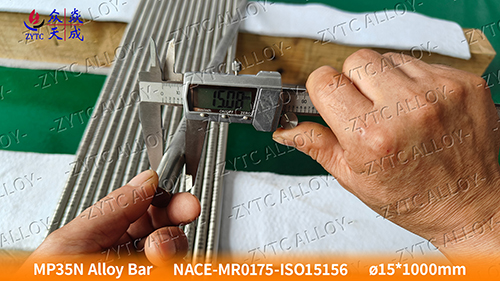
MP35N is famous for its corrosion resistance, but "corrosion resistant" is too broad a label. The alloy performs well in seawater, chloride solutions, and sour gas environments (NACE MR0175/ISO 15156).
However, corrosion resistance is not isolated—it is constrained by strength. Higher cold work yields higher strength but increases residual stress, which may elevate the risk of Stress Corrosion Cracking (SCC) in specific media. A responsible supplier will provide balanced data on strength and corrosion, not just a "Pass" stamp on a mill certificate.
 |
 |
 |
Supplier Audits: Three Things More Important Than Price
In the Chinese cobalt alloy supply chain, MP35N capabilities vary. Some traders quote "from stock" without being able to trace the melt number or heat treatment batch. For MP35N, supply chain traceability is far more important than unit price. Here is what to look for during a supplier audit:
A. Is the Melting and Processing Closed-Loop?
The biggest risk with MP35N is when the cold working reduction or aging parameters deviate from the target. A comprehensive supplier covers melting, forging, rolling, heat treatment, and testing under one quality system. When process parameters need adjustment, the change can be verified internally, rather than being passed between multiple subcontractors.
B. How Does the Lab Respond to "Anomalies"?
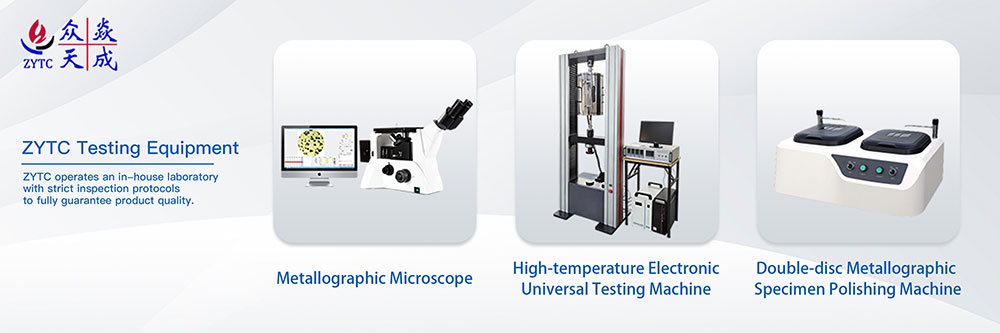
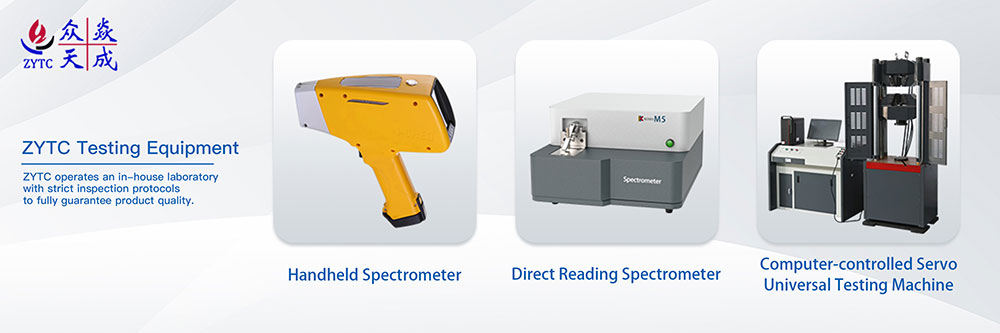
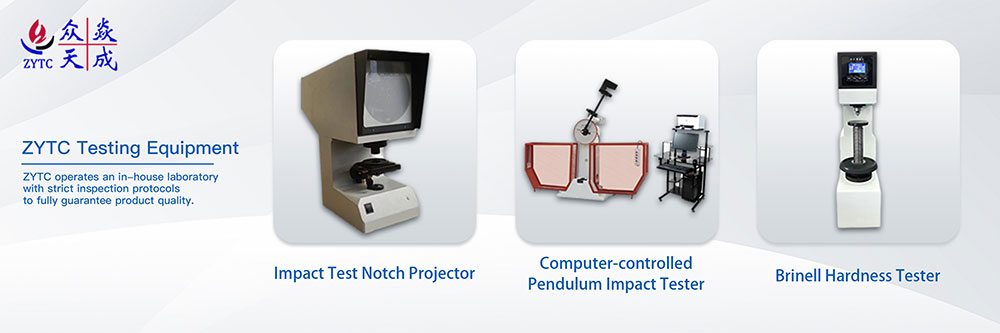
Do not just look at the equipment list; look at how the supplier uses it. If you encounter a batch with acceptable strength but low elongation (usually indicating insufficient aging or improper intermediate annealing), a lab equipped with a Universal Testing Machine and Impact Tester can quickly verify the issue. At ZYTC Alloy, our in-house lab (ISO 9001 & AS 9120B certified) uses Direct Reading Spectrometers for precise chemistry verification and Metallurgical Microscopes to evaluate grain size and phase distribution. These tests are the direct evidence of whether the cold work and aging processes are correctly matched.
C. Their Attitude Toward Small Batches and Prototypes
MP35N applications often start with small trial runs. Is the supplier willing to be flexible on MOQ? Can they provide the same material state and test reports for a prototype order as they would for mass production? A supplier who demands a "full melt" for samples is unlikely to be a reliable partner during mass production.
The Comprehensive Decision Checklist
Before finalizing your MP35N supplier, include these items in your technical review:
| Review Item | Key Confirmation | Why It Matters |
|---|---|---|
| Delivery State | Solution annealed, cold drawn, or cold drawn + aged? Request actual mechanical test values for the batch. | Determines downstream machinability and final strength. |
| Melting Process | Require VIM+VAR or triple melting, not just "vacuum melted". | Inclusion levels directly impact fatigue and corrosion resistance. |
| Standard Compliance | Certificates and test reports for ASTM F562 or AMS 5844/ AMS 5845. | Basic industry entry threshold. |
| Testing Capability | Does the supplier have in-house capabilities for spectrometer, metallurgy, and mechanical testing? | Reflects the closed-loop degree of quality control. |
| Traceability | One-to-one correspondence between melt number, process batch, and test report. | Critical for root cause analysis if issues arise. |
| Engineering Support | Flexibility on small batch MOQ, responsiveness to process changes. | Smooth transition from prototype to mass production. |
Sourcing MP35N is essentially about finding the balance between strength, corrosion resistance, and machinability that matches your specific application.
Founded in 1989, ZYTC Alloy's value lies in integrating melting control, processing experience, and testing verification into a traceable, communicative technical interface. When your next MP35N part must meet both aerospace-grade cleanliness and oil & gas corrosion certifications, a supplier with an in-house lab is a much better risk mitigation than a low-price quote.
📧 Email: daisy@zytcsteel.com
📱 WhatsApp/WeChat: +86 17335753350
Sourcing L605 Cobalt Alloy: Metallurgy, Standards & Supplier Audits
Alloy 600 (UNS N06600) Bar & Plate Selection Guide
Related Article