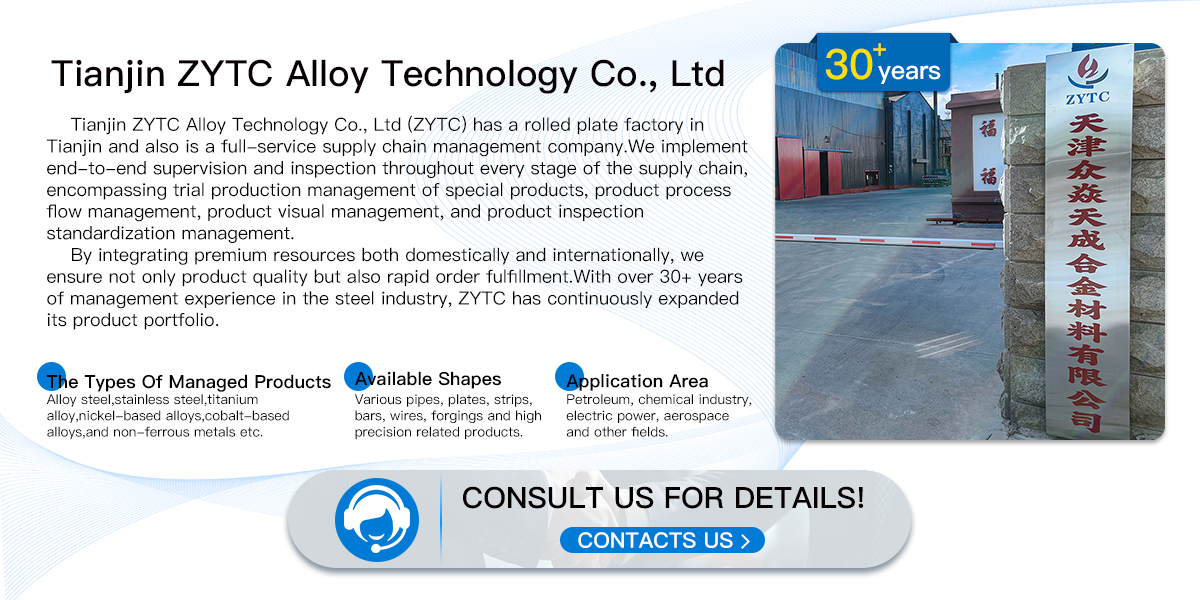
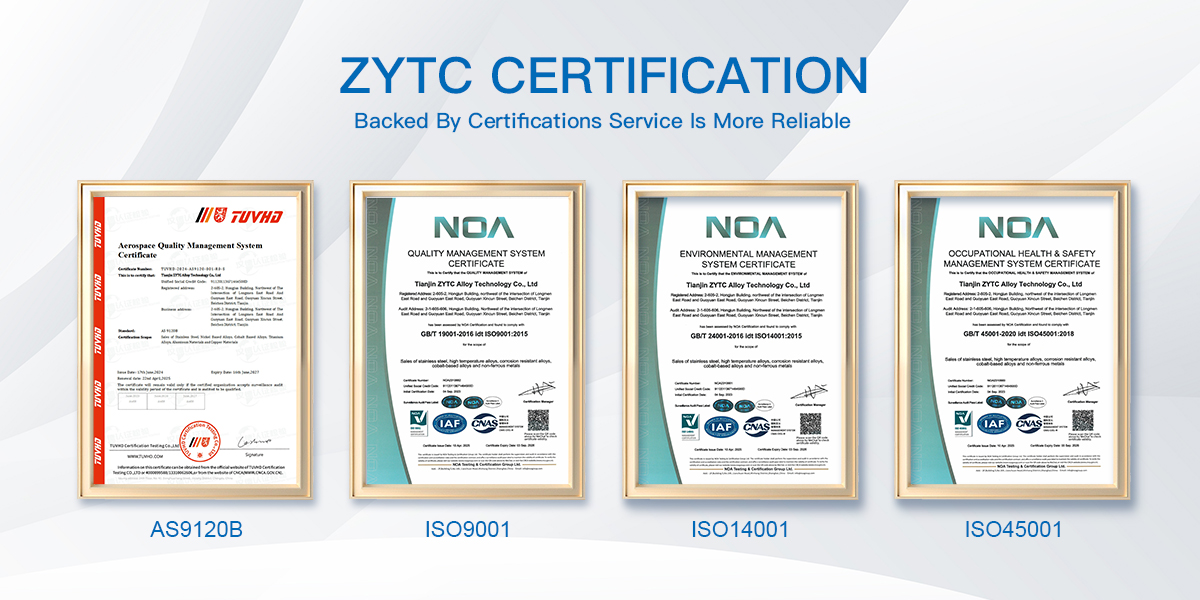
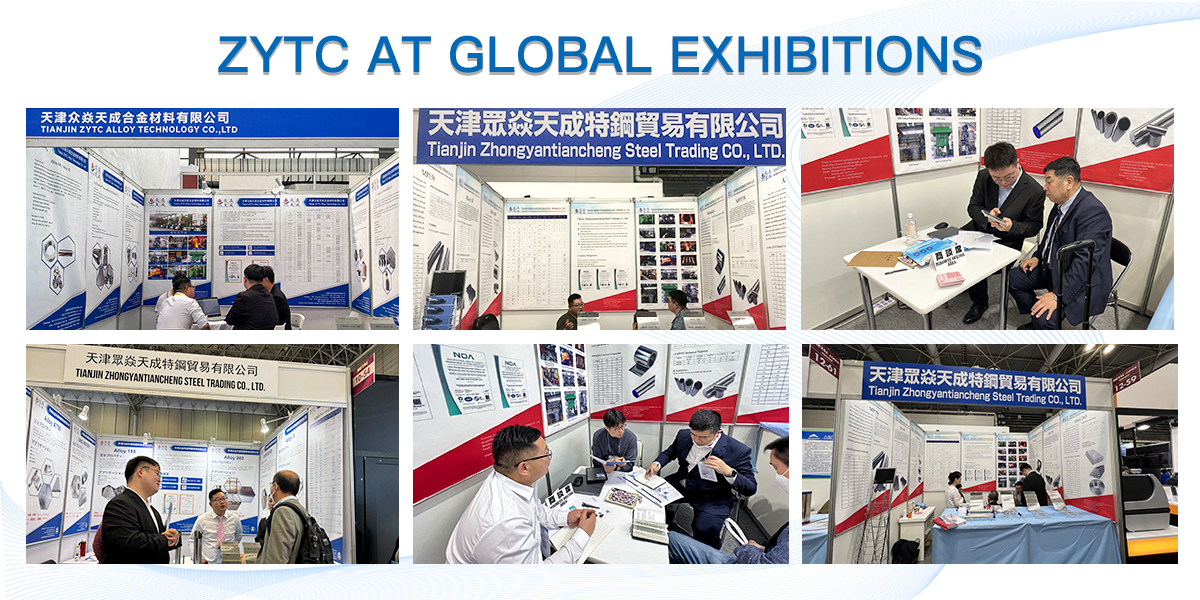
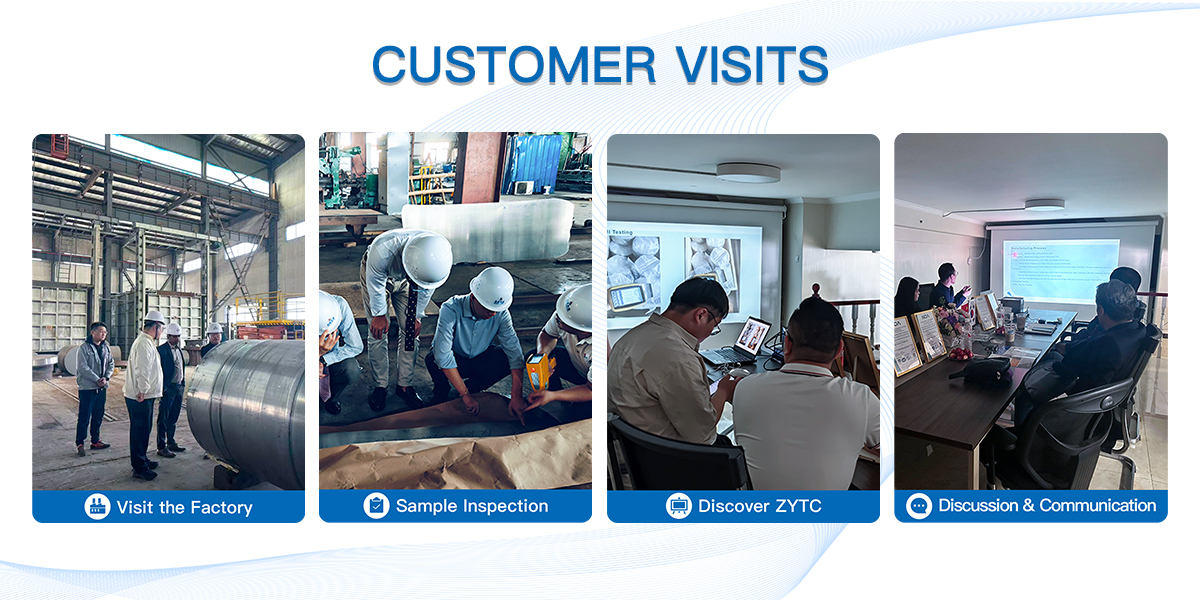
Based in China, ZYTC Alloy manufactures and supplies Hastelloy® B-3 (UNS N10675) for the chemical processing, pharmaceutical, and related industries. The alloy is designed for applications requiring consistent performance in highly reducing environments. 1. Product Specifications & PropertiesAlloy B-3 is a nickel-molybdenum alloy developed as an improved alternative to earlier B-type alloys like B-2. It maintains excellent corrosion resistance in reducing media while offering better thermal stability, which reduces the risk of weld heat-affected zone (HAZ) cracking during fabrication. Chemical Composition (%, range)| Element | Content |
|---|
| Nickel, Ni | 65 min | | Molybdenum, Mo | 27-32 | | Cobalt, Co | 3 max | | Manganese, Mn | 3 max | | Tungsten, W | 3 max | | Iron, Fe | 1-3 | | Chromium, Cr | 1-3 | | Aluminum, Al | 0.5 max | | Copper, Cu | 0.2 max | | Carbon, C | 0.01 max |
Mechanical Properties (Typical, 0.125"section)| Property | Metric | Imperial |
|---|
| Tensile Strength | 0.88 GPa | 129 ksi | | Yield Strength (0.2% offset) | 0.44 GPa | 64.5 ksi | | Elongation at Break | 57.5% | 57.5% |
2. Operating Conditions & Selection GuidelinesIdeal Media: Suitable for hydrochloric, sulfuric, acetic, formic, and phosphoric acids across a wide range of concentrations and temperatures. Effective against pitting and stress-corrosion cracking in chloride-bearing reducing environments Temperature Range: Maintains mechanical integrity in equipment operating from ambient up to elevated temperatures typical of acid processing Critical Limitation: Not intended for strongly oxidizing media (e.g., nitric acid, ferric ions). Performance degrades in environments containing significant oxidizing species Common Applications: Reaction vessels, heat exchangers, piping systems, acid storage tanks, vacuum furnace components, and pharmaceutical processing equipment handling aggressive catalysts
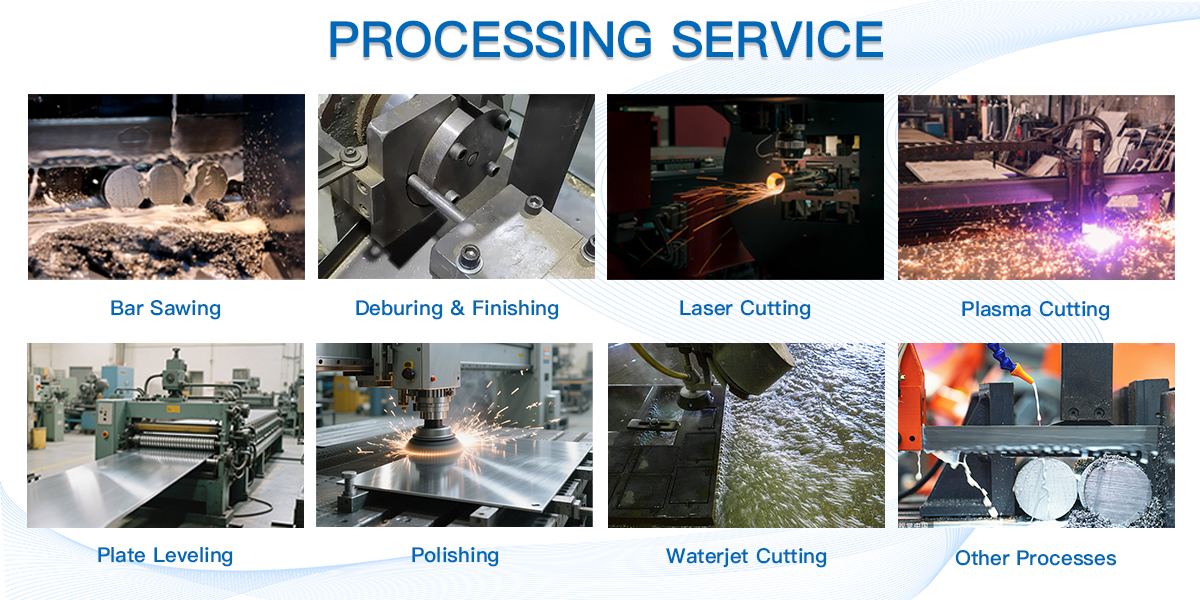
3. Fabrication & Material ComparisonFabrication Characteristics: Can be cold or hot formed using standard equipment. Exhibits improved ductility compared to B-2, reducing cracking risk during forming operations Welding Considerations: Suitable for GTAW/TIG, GMAW, and SMAW methods. Lower tendency for grain-boundary carbide precipitation allows greater flexibility in heat input control. Post-weld heat treatment is generally not required for corrosion resistance Advantage Over B-2: Improved thermal stability minimizes the risk of intergranular attack in the HAZ. Offers wider fabrication latitude without sacrificing corrosion performance in reducing acids Product Forms: Available as sheet, plate, bar, seamless and welded pipe, and wire
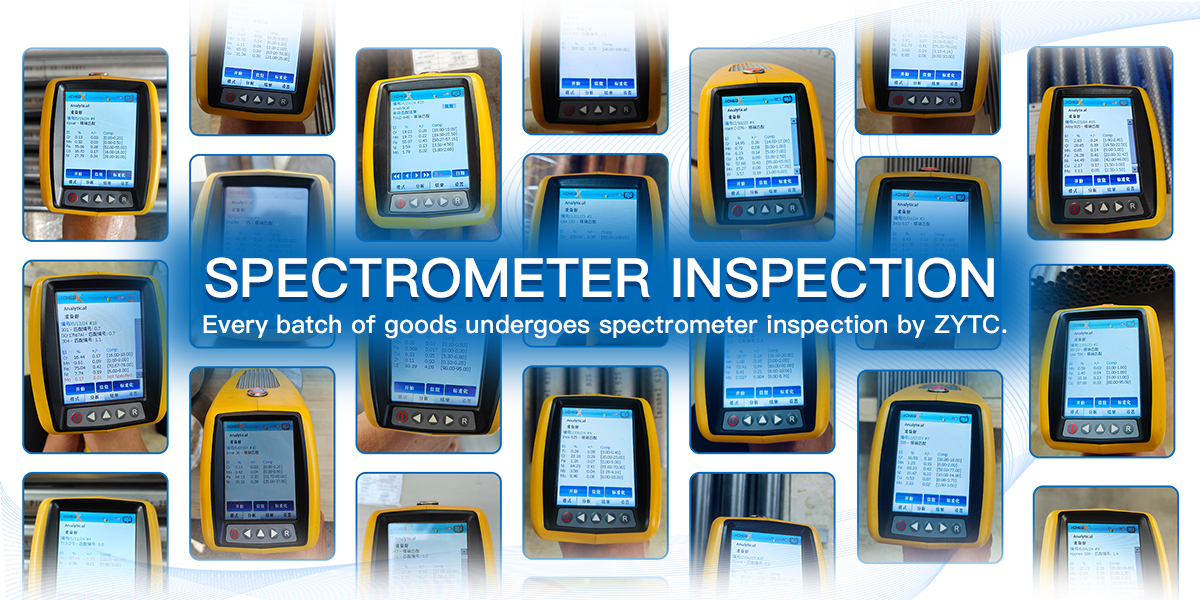
Contact ZYTC Alloy for technical consultation or to request a quotation. Our team can assist with material verification and selection based on your specific process parameters. Contact UsEmail:daisy@zytcsteel.com WhatsApp/WeChat: +86 17335753350 |