Alloy 925 (UNS N09925) Age-hardenable nickel-iron-chromium alloy offering superior sulfide stress cracking resistance. Ideal for down-hole components, valves, and high-strength piping. Certified supplier - request a quote today!
Delivery :
FOB
minimum order :
50 kilograms
Supply Ability :
5000kilograms / Month
Stock Time :
7-10Day
Country of Origin :
CHINA
Quantity :
add to cart
Contact Now
Alloy 925 (UNS N09925) is a precipitation-hardenable nickel-iron-chromium superalloy designed for demanding oil and gas applications requiring high strength combined with exceptional corrosion resistance. With strategic additions of molybdenum, copper, and titanium, this alloy delivers reliable performance in sour environments containing hydrogen sulfide, chlorides, and carbon dioxide.
1. Product Specifications & Physical Data
ZYTC Alloy supplies UNS N09925 in mill forms suitable for downhole equipment, wellhead components, and high-pressure piping systems requiring NACE MR0175/ISO 15156 compliance.
Available Forms: Round bar, flat bar, rod, billet, tube, and custom forgings.
Specifications: API 6A CRA, NACE MR0175/ISO 15156, ASTM B805, UNS N09925.
Chemical Composition (Weight %)
Alloy 925 Specification
Nickel (Ni)
42.0 - 46.0
Iron (Fe)
22.0 - 30.0 (balance)
Chromium (Cr)
19.5 - 23.5
Molybdenum (Mo)
2.50 - 3.50
Titanium (Ti)
1.90 - 2.40
Copper (Cu)
1.50 - 3.00
Aluminum (Al)
0.10 - 0.50
Carbon (C)
≤ 0.03
Manganese (Mn)
≤ 1.00
Silicon (Si)
≤ 0.50
Physical Properties
Metric
Imperial
Density
8.05 g/cm³
0.291 lb/in³
Melting Range
1315 - 1371°C
2400 - 2500°F
Thermal Conductivity
12.4 W/m·K
86 BTU·in/hr·ft²·°F
Electrical Resistivity
113 µΩ·cm
113 µΩ·cm
Mechanical Properties (Precipitation Hardened)
Metric
Imperial
Tensile Strength (Room Temp)
1210 MPa
175,000 psi
Tensile Strength (550°C)
970 MPa
141,000 psi
Yield Strength (Room Temp, 0.2% offset)
810 MPa
117,000 psi
Yield Strength (550°C, 0.2% offset)
700 MPa
102,000 psi
Elongation at Break
24%
24%
Poisson's Ratio
0.281
0.281
2. Operating Conditions & Selection Criteria
Alloy 925 (UNS N09925) is specifically formulated for sour service environments where conventional stainless steels and even some nickel alloys may fail due to sulfide stress cracking or excessive corrosion rates.
Service Temperature Range: Effective from cryogenic temperatures up to 550°C (1022°F) for mechanical properties; oxidation resistance adequate up to 650°C for short-term exposure .
Sour Gas Resistance: Approved per NACE MR0175/ISO 15156 for H₂S-containing environments up to 175°C (347°F) with chloride concentrations typical of oil and gas production .
Corrosion Performance: Molybdenum and copper additions provide excellent resistance to pitting, crevice corrosion, and reducing acids. Chromium content ensures passivation in oxidizing conditions .
Sulfide Stress Cracking (SSC): Age-hardened structure maintains resistance to SSC through controlled precipitation, unlike many high-strength steels that become susceptible above certain hardness levels .
Stress-Corrosion Cracking (SCC): High nickel content (42-46%) provides immunity to chloride SCC in most oilfield environments .
3. Fabrication & Material Comparison
Alloy 925 (UNS N09925) combines the fabricability of solid-solution alloys with the high strength achievable through precipitation hardening, offering design flexibility for complex components.
Machining: Best performed in solution-annealed condition before aging. Carbide tooling recommended with positive rake angles. Work-hardening rate moderate; rigid setups required for precision tolerances. Water-based coolants for high-speed operations .
Welding: Good weldability using GTAW, SMAW, GMAW, and submerged-arc processes. Matching filler metals (ERNiCrMo-3 type) recommended. Post-weld heat treatment typically required to restore precipitation-hardened properties in weld zone .
Forming & Heat Treatment:
Forging Range: 927-1177°C (1700-2150°F)
Hot Working Range: 871-982°C (1600-1800°F)
Solution Annealing: 1010°C (1850°F) minimum × 2 hours, air cool
Aging Treatment: 732°C (1350°F) × 8 hours, furnace cool to 621°C (1150°F), hold 8 hours, air cool (typical cycle for API 6A requirements)
Cold Working: Standard tooling acceptable; plain carbon tool steels not recommended due to galling potential
Material Comparison:
vs. Alloy 718: Comparable strength with enhanced corrosion resistance in sour environments; 925 offers better resistance to reducing acids due to copper addition .
vs. Alloy 825: Significantly higher strength through precipitation hardening; replaces 825 where design requires higher load capacity without increasing section size .
vs. 17-4 PH Stainless: Superior resistance to sulfide stress cracking and chloride SCC; preferred for critical sour service applications where stainless steels risk hydrogen embrittlement .
vs. C-276: More cost-effective alternative where extreme reducing acid resistance not required; suitable for most oilfield environments .
4. Applications
Downhole tubing hangers and pup joints
Wellhead valves and Christmas tree components
High-pressure piping systems for sour gas
Subsea completion equipment
Packers and nipples
Fasteners and coupling stock for corrosive service
Surface gas well components requiring NACE compliance
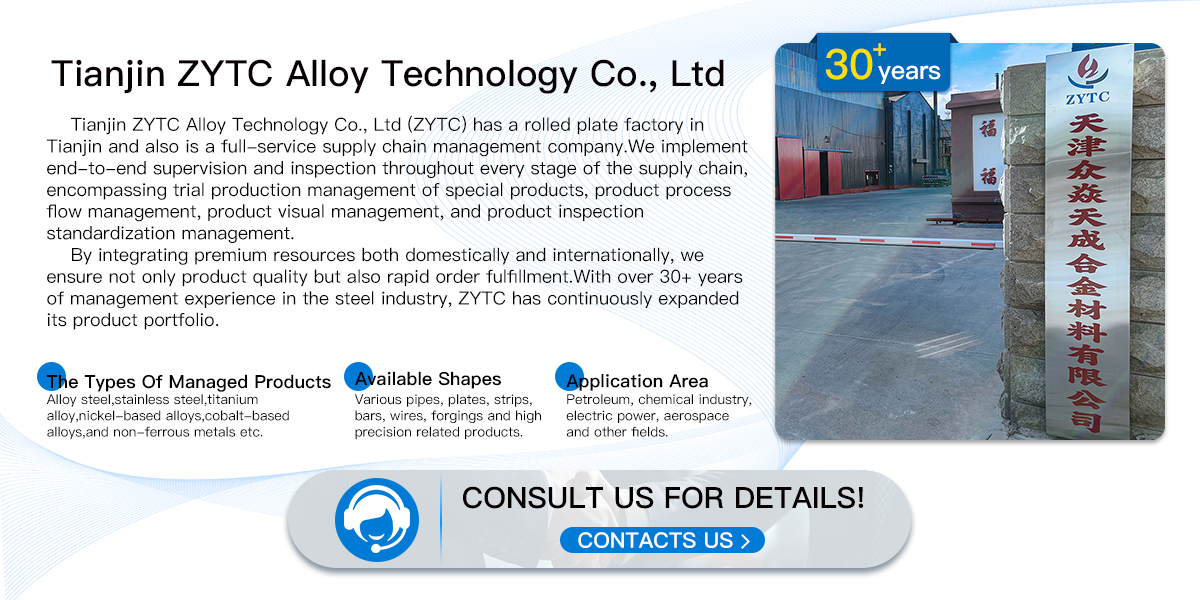
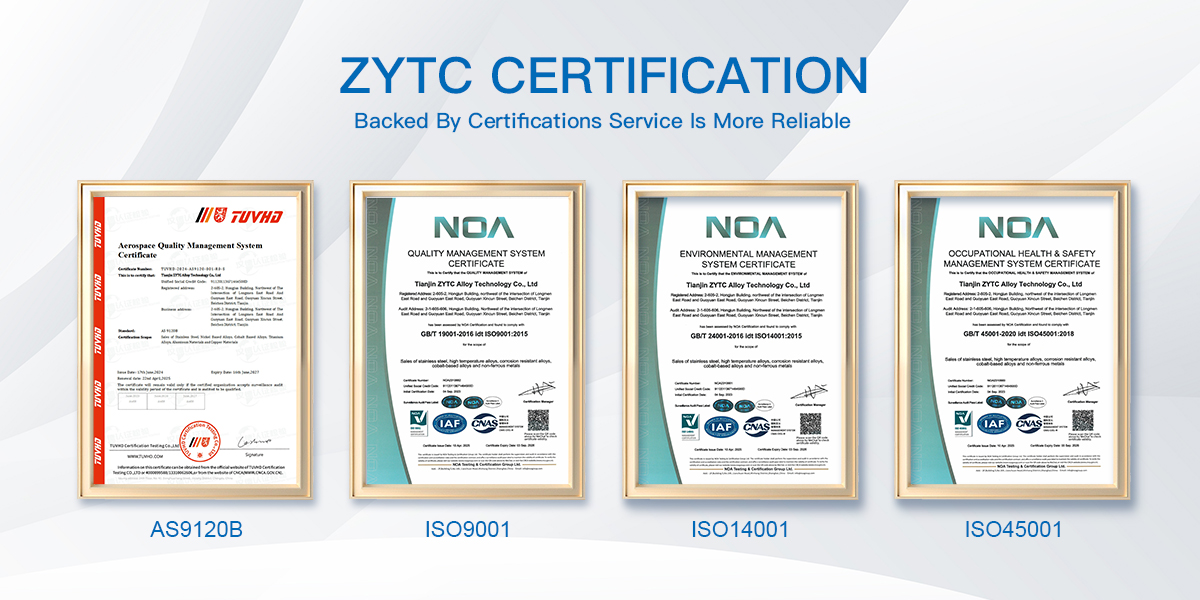
Contact ZYTC Alloy for certified alloy 925 materials with complete traceability, NACE MR0175 certification, technical datasheets, and competitive pricing on standard sizes or custom-forged components.