Alloy 926 (UNS N08926) is a nitrogen-alloyed super-austenitic stainless steel with 6% molybdenum, specifically engineered for environments requiring corrosion resistance beyond standard stainless steels. The combination of high nickel (25%), chromium (21%), and nitrogen provides exceptional resistance to pitting, crevice corrosion, and chloride stress cracking while maintaining good fabricability.
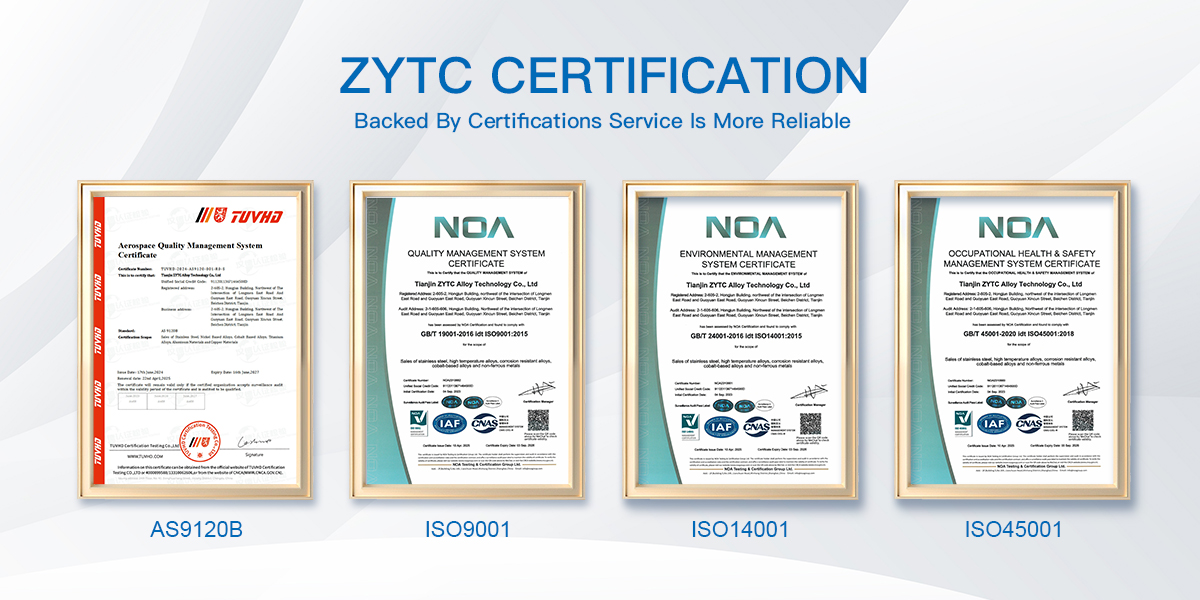
1. Product Specifications & Physical DataZYTC Alloy supplies UNS N08926 in mill forms suitable for chemical processing, desalination, and offshore applications requiring verified corrosion performance and cost-effective material solutions. Available Forms: Pipe (seamless/welded), tube, sheet, plate, bar, rod, strip, wire, and forgings. Specifications: ASTM B625 (plate), B673 (welded pipe), B674 (welded tube), B677 (seamless tube), NACE MR0175/ISO 15156.
| Chemical Composition (Weight %) | Alloy 926 Specification |
|---|
| Nickel (Ni) | 24.0 - 26.0 | | Chromium (Cr) | 19.0 - 21.0 | | Molybdenum (Mo) | 6.0 - 7.0 | | Iron (Fe) | Balance | | Copper (Cu) | 0.50 - 1.50 | | Nitrogen (N) | 0.15 - 0.25 | | Manganese (Mn) | ≤ 2.00 | | Silicon (Si) | ≤ 0.50 | | Carbon (C) | ≤ 0.020 | | Phosphorus (P) | ≤ 0.030 | | Sulfur (S) | ≤ 0.010 |
| Physical Properties | Metric | Imperial |
|---|
| Density | 8.03 - 8.1 g/cm³ | 0.290 - 0.293 lb/in³ | | Melting Range | 1320 - 1400°C | 2408 - 2552°F | | Thermal Conductivity | 12.5 W/m·K | 86.8 BTU·in/hr·ft²·°F | | Electrical Resistivity | 90 µΩ·cm | 90 µΩ·cm |
| Mechanical Properties (Annealed) | Metric | Imperial |
|---|
| Tensile Strength (min.) | 650 MPa | 94,000 psi | | Yield Strength (min., 0.2% offset) | 295 MPa | 43,000 psi | | Elongation at Break (min.) | 35% | 35% | | Modulus of Elasticity | 192 GPa | 27,800 ksi | | Hardness (Rockwell B, max.) | 86 HRB | 86 HRB |
2. Operating Conditions & Selection CriteriaAlloy 926 (UNS N08926) occupies the performance space between standard austenitic stainless steels and nickel-base alloys, offering superior localized corrosion resistance at a competitive cost point. Service Temperature Range: Suitable for service from cryogenic temperatures up to 400°C (750°F) in corrosive environments; oxidation resistance adequate to 870°C (1600°F) for short-term exposure . Pitting and Crevice Corrosion: PRE (Pitting Resistance Equivalent) = Ni + 2Cr + 3.3Mo + 30N ≈ 48, providing resistance comparable to many nickel-base alloys in chloride environments . Acid Resistance: Excellent performance in sulfuric and phosphoric acids up to moderate temperatures. Copper addition enhances resistance in reducing acid conditions . Chloride Stress Cracking: High nickel content (24-26%) provides immunity to chloride stress-corrosion cracking in most service environments . Sour Service: Approved per NACE MR0175/ISO 15156 for oil and gas equipment in H₂S-containing environments up to 232°C (450°F) .
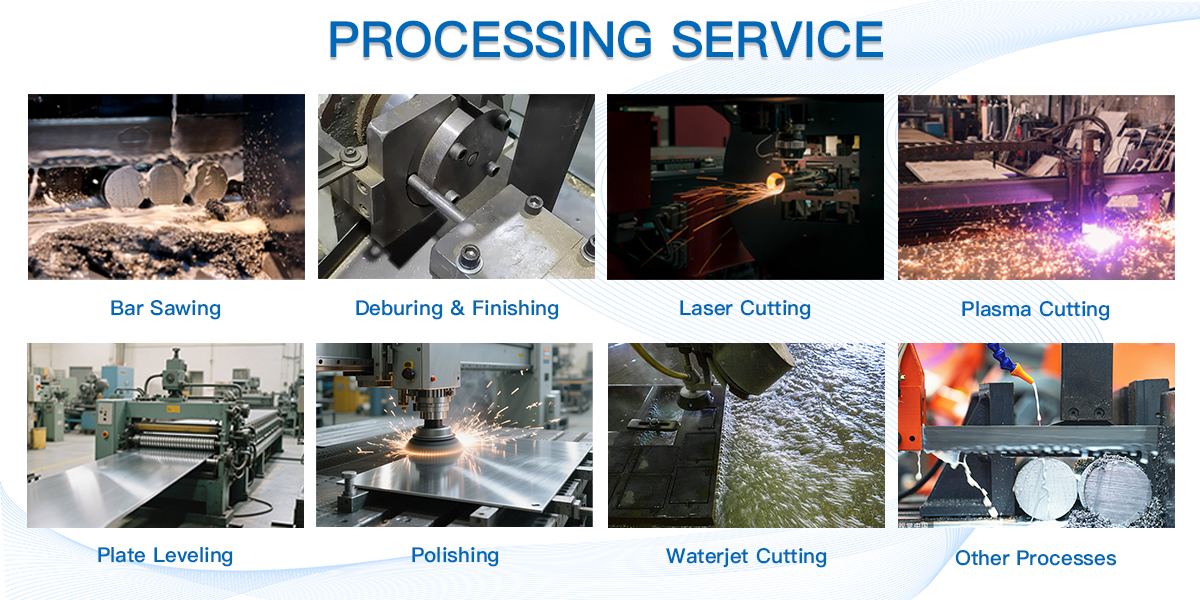
3. Fabrication & Material ComparisonAlloy 926 (UNS N08926) offers good fabricability similar to austenitic stainless steels, though its higher strength and work-hardening rate require appropriate adjustments in forming and machining operations. Machining: Higher work-hardening rate than 316 stainless; requires rigid setups, sharp tooling, and positive feed rates. Carbide tools recommended for production runs. Water-based coolants for high-speed operations . Welding: Excellent weldability using GTAW, GMAW, SMAW, and SAW processes. Matching or over-alloyed filler metals (ERNiCrMo-3 or similar) recommended to maintain corrosion resistance in weld metal. No preheat required; low interpass temperature (<150°C) recommended . Forming & Heat Treatment: Hot Working Range: 1150-1200°C (2100-2200°F) Annealing: 1150-1200°C (2100-2200°F) followed by rapid cooling (water quench or accelerated air cool) Cold Working: Higher strength requires more powerful equipment than standard stainless; intermediate anneals may be needed for severe deformation Pickling: Requires aggressive acid mixtures due to high alloy content; electro-polishing often preferred for surface finish
Material Comparison: vs. 316L Stainless: Significantly higher pitting resistance (PRE 48 vs. 24); preferred for seawater and high-chloride environments where 316L experiences localized attack . vs. 6% Mo Alternatives (254 SMO, 1.4547): Comparable performance; 926 offers specific advantages in sulfuric acid due to copper addition . vs. Alloy 825: Higher molybdenum content provides superior pitting resistance; 926 is the preferred choice for seawater service where 825 may experience crevice corrosion . vs. C-276: More cost-effective for oxidizing and moderately reducing conditions; C-276 required only for severe reducing acid environments .
4. ApplicationsSeawater handling systems (desalination, offshore platforms) Chemical processing equipment (sulfuric and phosphoric acid service) Pulp and paper bleaching systems Flue gas desulfurization components Pharmaceutical and food processing equipment Power plant condenser tubing Marine exhaust systems
Contact ZYTC Alloy for certified alloy 926 materials with complete traceability, competitive pricing, and technical support for your specific application requirements. Email:daisy@zytcsteel.com WhatsApp/WeChat: +86 17335753350 |