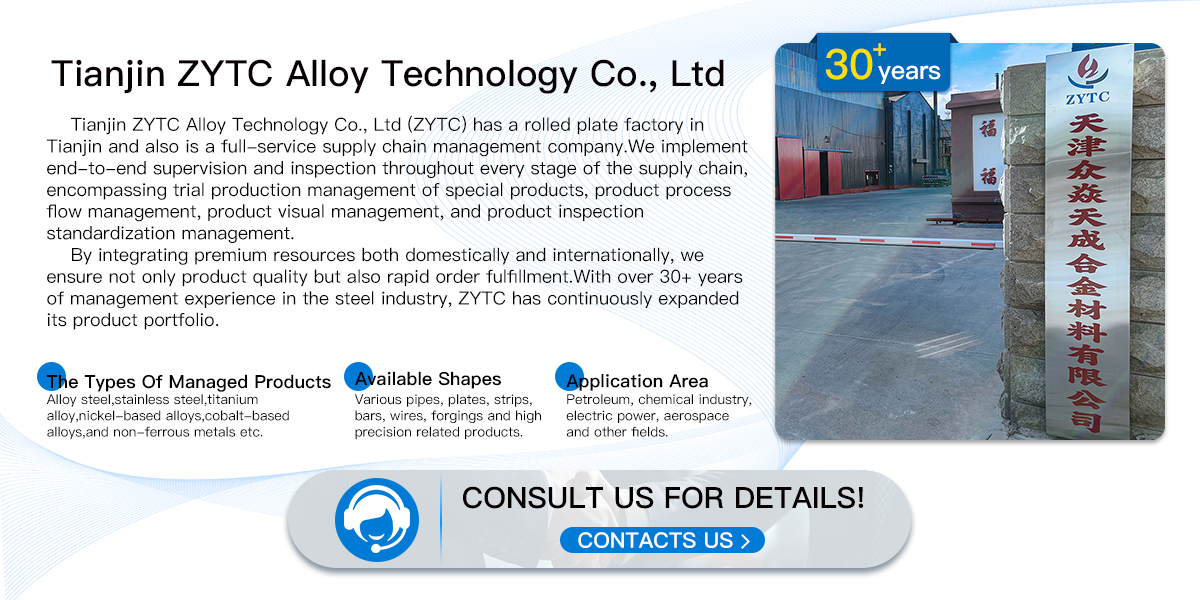
Alloy 825 (UNS N08825) - Nickel-iron-chromium alloy with superior corrosion resistance to sulfuric/phosphoric acids. Ideal for chemical processing, acid production & pollution control. ZYTC supplies sheets, plates, tubes, bars & forgings. Request technical specs.
Delivery :
FOB
minimum order :
50 kilograms
Supply Ability :
5000kilograms / Month
Stock Time :
7-10Day
Country of Origin :
CHINA
Quantity :
add to cart
Contact Now
Alloy 825 (UNS N08825) is a nickel-iron-chromium alloy stabilized with titanium and enhanced with molybdenum and copper. This combination provides broad-spectrum corrosion resistance spanning both reducing and oxidizing acid environments, while maintaining good resistance to chloride-induced stress corrosion cracking and localized attack.
1. Product Specifications & Physical Data
ZYTC Alloy supplies UNS N08825 in standard mill forms and custom configurations for chemical processing, pollution control, and oil and gas applications requiring verified corrosion performance.
Available Forms: Sheet, plate, strip, seamless/welded pipe and tube, round bar, flat bar, hexagon bar, wire, and forging stock.
Alloy 825 (UNS N08825) is selected when stainless steels prove inadequate for mixed acid environments or when sour service conditions demand higher alloy content. The titanium stabilization prevents intergranular corrosion after welding.
Temperature Range: Suitable for service from cryogenic temperatures up to 540°C (1000°F); oxidation resistance adequate up to 980°C (1800°F) in air, though mechanical properties decrease above 540°C .
Acid Resistance: Excellent resistance to sulfuric, phosphoric, and nitric acids. Molybdenum and copper provide protection in reducing environments; chromium maintains passivity in oxidizing conditions.
Localized Corrosion: Good resistance to pitting and crevice corrosion in chloride-bearing environments. PREN (Pitting Resistance Equivalent Number) approximately 32.
Stress Corrosion Cracking: High nickel content provides immunity to chloride stress-corrosion cracking in most environments.
Sour Service: Approved for NACE MR0175/ISO 15156 for oil and gas equipment in H₂S-containing environments.
3. Fabrication & Material Comparison
Alloy 825 (UNS N08825) offers good fabricability similar to austenitic stainless steels, though its higher strength requires more robust equipment for forming operations.
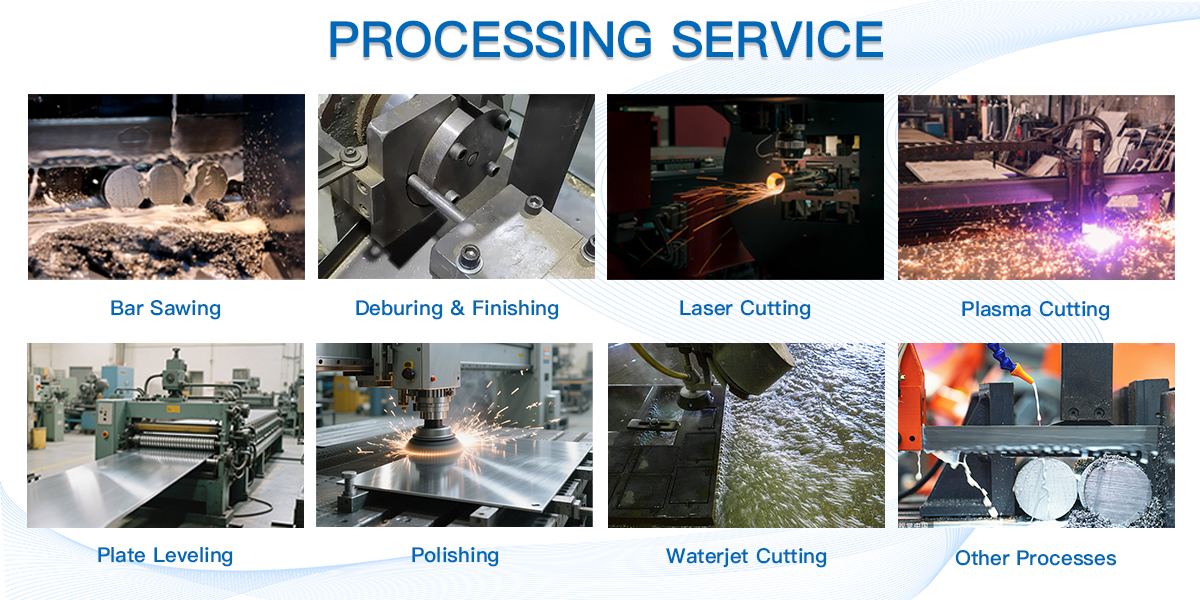
Machining: Machineability comparable to 316 stainless with appropriate adjustments. Positive rake angles, sharp tools, and rigid setups recommended. Uses water-based coolants for high-speed operations; sulfurized oils for tapping and broaching.
Welding: Good weldability using GTAW, SMAW, GMAW, and SAW processes. Matching filler metals (ERNiCrMo-3 or ENiCrMo-3) recommended for corrosion resistance. No preheat typically required; post-weld heat treatment generally not necessary.
Forming & Heat Treatment:
Hot Working Range: 927-1094°C (1700-2000°F)
Annealing: 955°C (1750°F) followed by rapid cooling
Cold Working: Responds to conventional methods; intermediate annealing may be required for severe deformation
Material Comparison:
vs. 316L Stainless: Superior resistance to reducing acids and chloride stress cracking; higher allowable stresses at elevated temperatures.
vs. Alloy 20: Comparable in sulfuric acid; better in mixed acids and sour service.
vs. C-276: Lower cost alternative where extreme reducing acid resistance not required; suitable for less aggressive environments.
Oil and gas production tubulars and surface equipment
Nuclear fuel reprocessing and waste handling systems
Propeller shafts and marine hardware
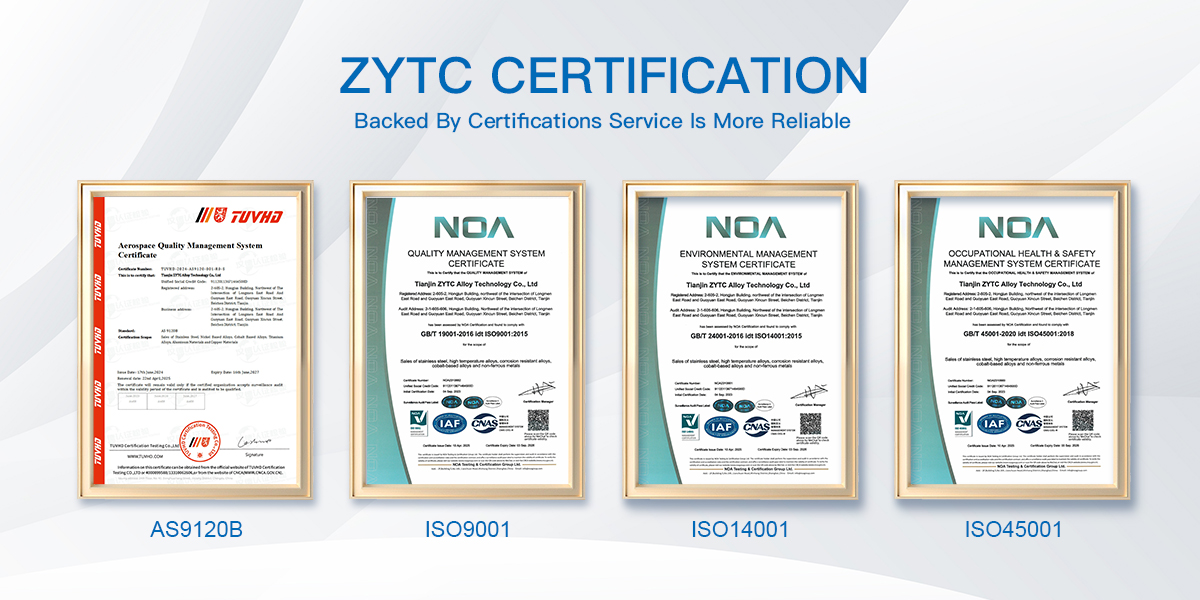
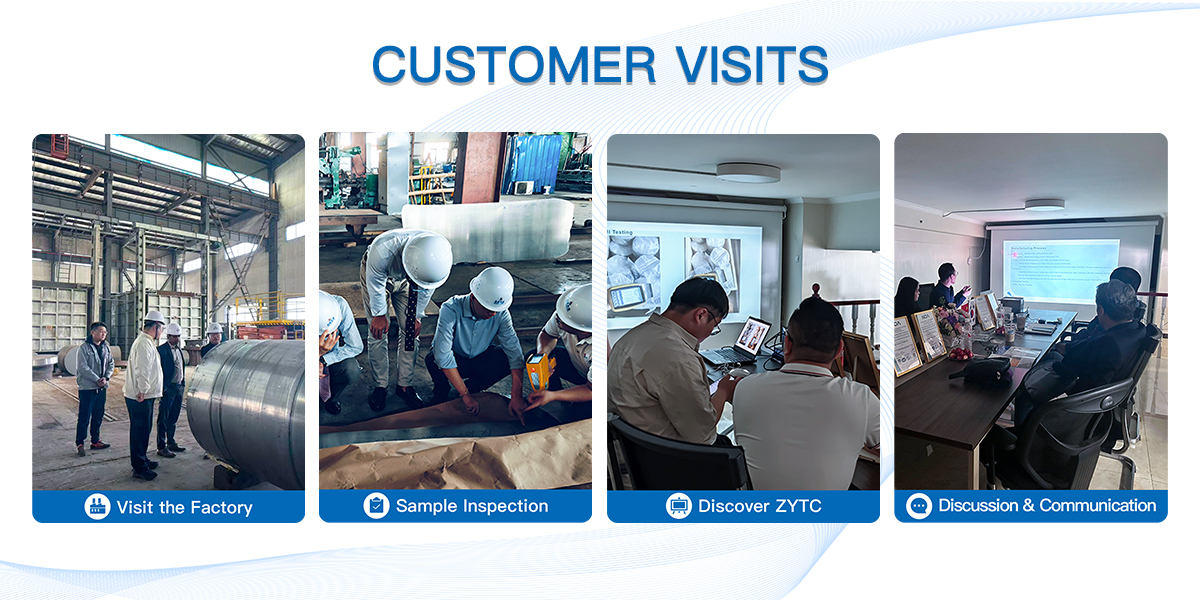
Contact ZYTC Alloy for certified alloy 825 materials with complete traceability, technical datasheets, and competitive pricing on standard sizes or custom-fabricated components.