Alloy 800H (UNS N08810) - High-temperature alloy with enhanced creep resistance for 1100°F-1800°F applications. Ideal for ethylene furnaces, hydrocarbon cracking, & power plants. ZYTC Alloy supplies 800H in bars, plates, tubes & more. Get technical specs & quote.
Delivery :
FOB
minimum order :
50 kilograms
Supply Ability :
5000kilograms / Month
Stock Time :
7-10Day
Country of Origin :
CHINA
Quantity :
add to cart
Contact Now
Alloy 800H (UNS N08810) is a controlled-carbon version of standard Alloy 800, specifically developed for prolonged high-temperature service. The tighter carbon range (0.05-0.10%) combined with controlled grain size delivers enhanced creep resistance and stress-rupture strength, making this material the preferred choice for pressure vessels and furnace components operating above 1000°F.
1. Product Specifications & Physical Data
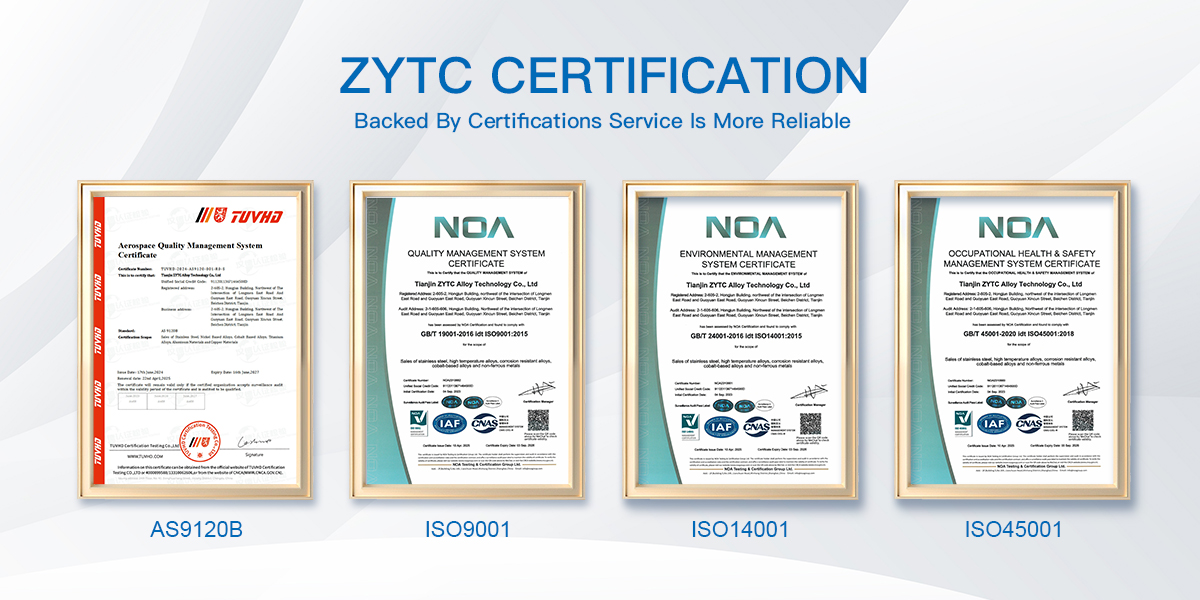
ZYTC Alloy supplies UNS N08810 in all standard mill forms with full traceability and certification to ASME/ASTM requirements.
Available Forms: Round bar, flat bar, rod, plate, sheet, strip, seamless/welded tube, forging stock, welding wire, and custom shapes.
Chemical Composition (Weight %)
Alloy 800H Specification
Nickel (Ni)
30 - 35
Chromium (Cr)
19 - 23
Iron (Fe)
39.5 minimum
Carbon (C)
0.05 - 0.10
Aluminum (Al)
0.15 - 0.60
Titanium (Ti)
0.15 - 0.60
Al + Ti
0.30 - 1.20
Physical Property
Metric
Imperial
Density
7.94 g/cm³
0.287 lb/in³
Mechanical Properties (Annealed)
Metric
Imperial
Tensile Strength
600 MPa
87 ksi
Yield Strength
275 MPa
39.9 ksi
Elongation at Break
45%
45%
2. Operating Conditions & Selection Criteria
Alloy 800H (UNS N08810) is specified when standard stainless steels or even Alloy 800 cannot meet the creep-life requirements for pressurized components at elevated temperatures. The controlled chemistry and grain structure provide predictable long-term performance.
Service Temperature Range: Optimized for continuous operation from 592°C to 980°C (1100°F to 1800°F).
Creep Resistance: The controlled carbon content (0.05-0.10%) combined with aluminum and titanium additions provides superior stress-rupture properties compared to standard Alloy 800.
Environmental Resistance: Forms a stable oxide layer that resists oxidation, carburization, and sulfidation in petrochemical and heat-treating atmospheres.
Microstructural Stability: Maintains austenitic structure without sigma phase embrittlement during prolonged thermal exposure.
3. Fabrication & Material Comparison
While similar to Alloy 800 in basic chemistry, 800H requires specific attention to heat treatment and hot working practices to achieve the desired grain structure for creep performance.
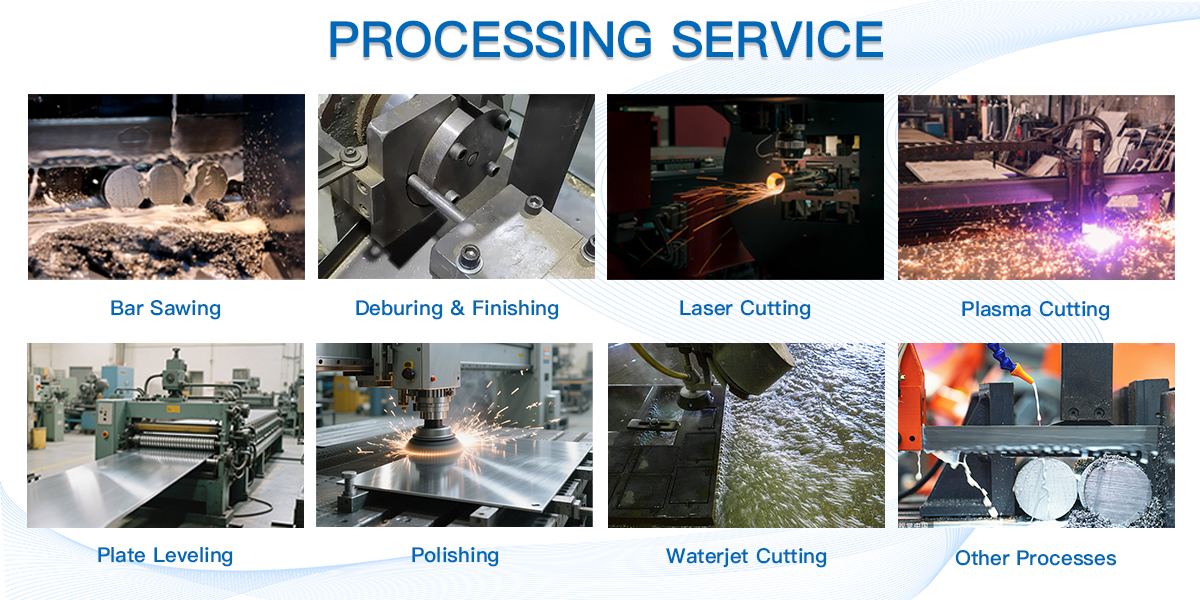
Machining: Work-hardens during cutting operations. Carbide tooling recommended for continuous turning. Use water-based coolants for high-speed operations; heavy lubricants for drilling and tapping.
Welding: Excellent weldability using GTAW, SMAW, GMAW, and submerged-arc processes. Matching filler metals (ERNiCr-3 or similar) should be used to maintain properties in the weld zone. Post-weld heat treatment not typically required.
Forming & Heat Treatment:
Hot Working Range: 871-1204°C (1600-2200°F)
Annealing: 1177°C (2150°F) followed by air cooling
Cold Working: Responds to standard methods; use soft tooling materials to minimize galling
Material Comparison:
vs. Alloy 800: Higher creep strength due to controlled carbon and grain size; preferred for ASME Section VIII pressure vessel applications.
vs. 310 Stainless: Better high-temperature stability and resistance to thermal fatigue; lower thermal expansion.
vs. Alloy 600: Comparable performance at lower cost; better resistance to sulfur-containing environments.
Applications
Ethylene furnace quench boilers and cracking tubes
High-temperature valves, fittings, and piping systems
Industrial furnace components and heat-treating fixtures
Chemical processing equipment
Power generation superheaters and reheaters
Pressure vessels for high-temperature service
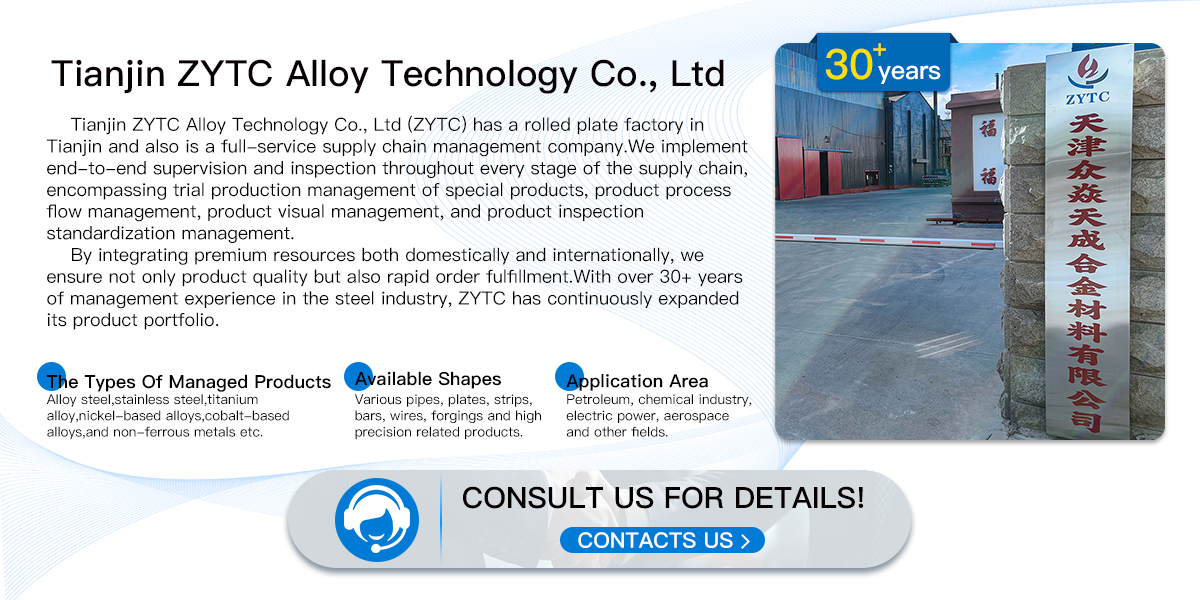
Contact ZYTC Alloy for certified alloy 800H materials with complete traceability, technical datasheets, and competitive pricing on standard sizes or custom-fabricated components.