For engineers dealing with component life limitations caused by oxidation above 1750°F (955°C), Alloy 214 offers a performance jump that standard grades cannot match. This nickel-chromium-aluminum-iron alloy is engineered specifically for environments where surface stability dictates service intervals. Below is a technical breakdown structured for quick sourcing and design validation.
1. Product Specifications & PropertiesAlloy 214 (UNS N07214) achieves its high-temperature capability through a composition optimized to form a pure aluminum oxide (Al₂O₃) scale. This scale remains intact and protective well beyond the useful range of chromium-oxide-forming alloys. Chemical Composition (Weight %) | Element | Percentage |
|---|
| Nickel | Balance | | Chromium | 15.0 - 17.0 | | Aluminum | 4.0 - 5.0 | | Iron | 2.0 - 4.0 | | Cobalt | 2.0 max | | Manganese | 0.5 max | | Molybdenum | 0.5 max | | Titanium | 0.5 max | | Tungsten | 0.5 max | | Silicon | 0.2 max | | Carbon | 0.03 - 0.06 | | Yttrium | 0.005 - 0.015 | | Boron | 0.010 max | | Zirconium | 0.10 max | | Niobium | 0.15 max |
Typical Mechanical Properties Tensile Strength: 125 - 145 ksi (860 - 1000 MPa) Yield Strength (0.2% offset): 60 - 80 ksi (414 - 550 MPa) Elongation: 35 - 45% Density: 0.291 lb/in³ (8.05 g/cm³)
2. Operating Conditions & Selection BoundariesThis material is selected when the primary failure mode is material loss due to oxidation, rather than creep or mechanical overload. Oxidation Limit: Designed for sustained use up to 2200°F (1200°C). The aluminum oxide layer remains stable in high-velocity combustion atmospheres where chromium oxide becomes volatile. Thermal Cycling: The addition of yttrium improves oxide scale adhesion, reducing spallation during rapid heating and cooling cycles common in batch furnaces and gas turbine components. Fabrication: Supplied in the solution-annealed condition (2000°F / 1095°C) to maintain formability. It can be cold-formed and welded using standard practices. Critical Constraint: Not recommended for load-bearing applications in the 1100°F to 1700°F (595°C to 925°C) range. Precipitation of gamma prime and carbides in this window can lead to embrittlement and reduced impact strength.
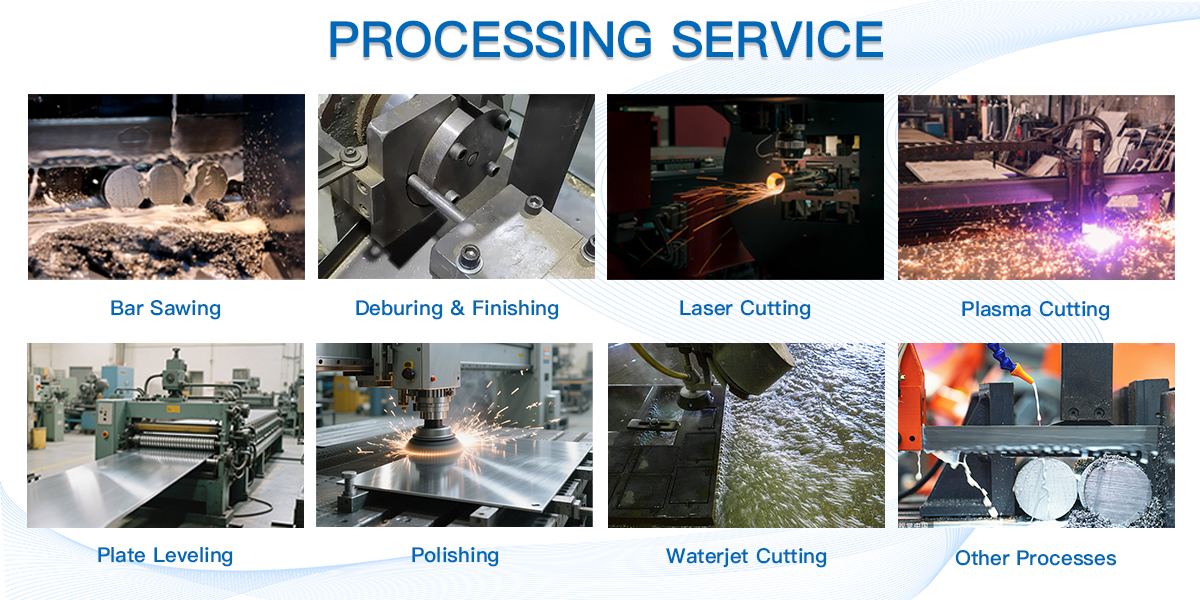
3. Manufacturing & Material ComparisonAlloy 214 is typically sourced for thin-gauge fabrications where surface protection is critical. Its value lies in replacing less stable alloys or coated systems with a homogeneous, damage-tolerant material. Manufacturing Forms Sheet & Strip: Primary form for heat shields, furnace liners, and baffles. Plate: Used for fixtures and structural supports in vacuum furnaces. Bar & Wire: Suitable for fasteners, mesh belts, and woven applications.
Comparison with Common Alloys vs. 310 Stainless Steel: In cyclic oxidation above 1900°F, Haynes® 214 offers 10x to 100x the service life due to the stability of its Al₂O₃ scale versus the Cr₂O₃ scale on 310. vs. Inconel 600: Similar mechanical properties at room temperature, but Haynes® 214 significantly outperforms in oxidation resistance above 1800°F. Inconel 600 relies on chromium oxide, which thickens and spalls rapidly in this range. vs. Coated Alloys: Provides inherent protection throughout the material thickness. Surface scratches or localized thinning do not create pathways for rapid oxidation, unlike a coated substrate where coating integrity is critical.
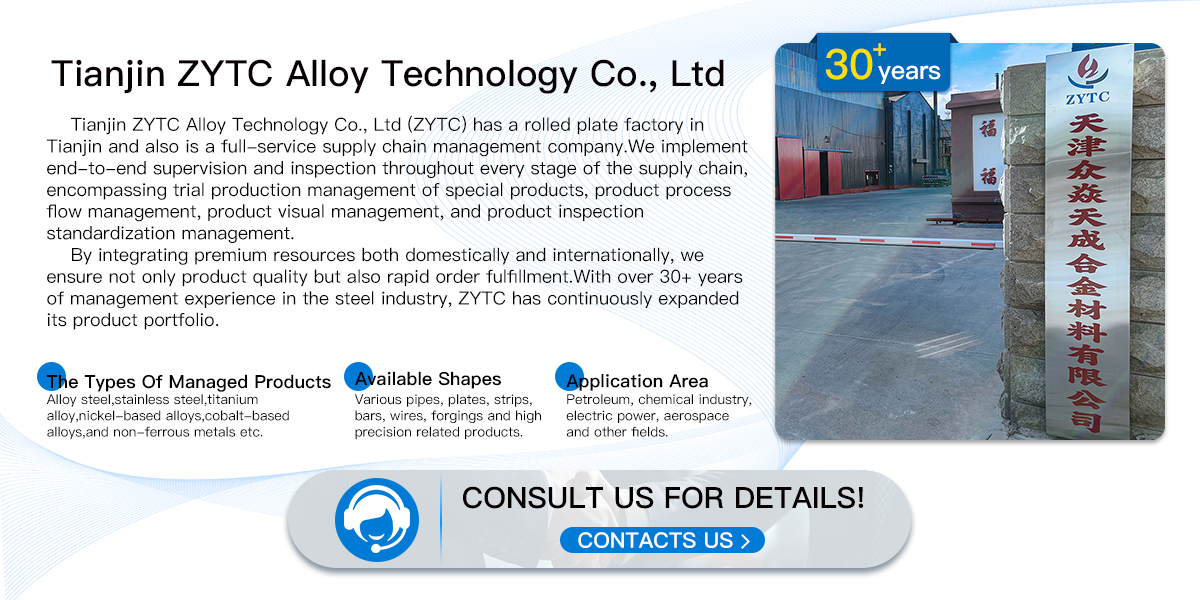
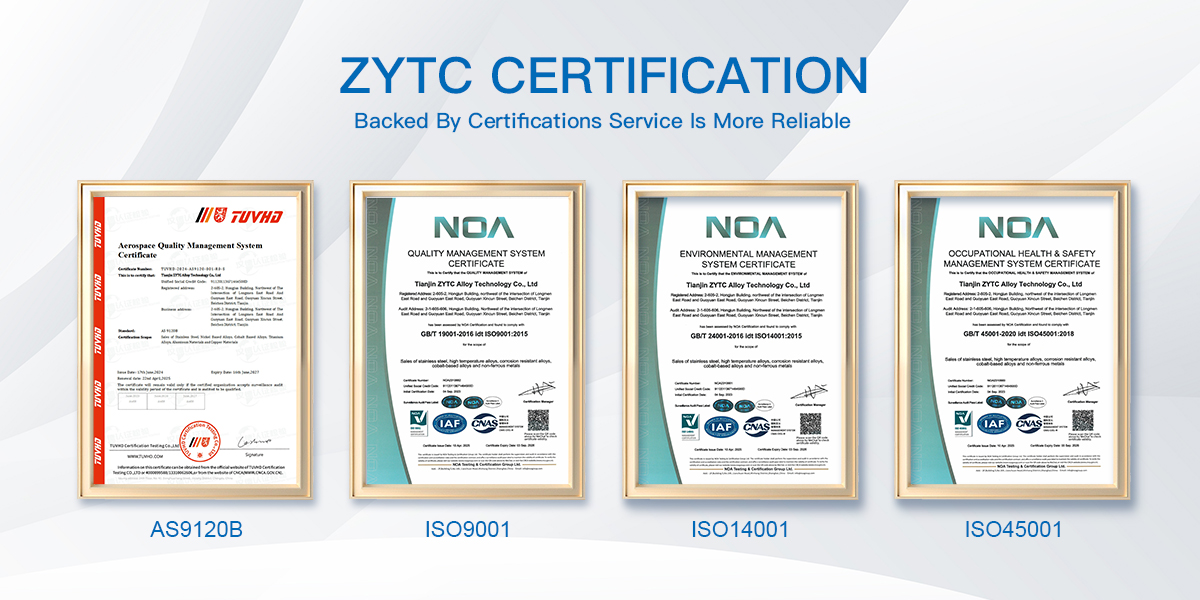
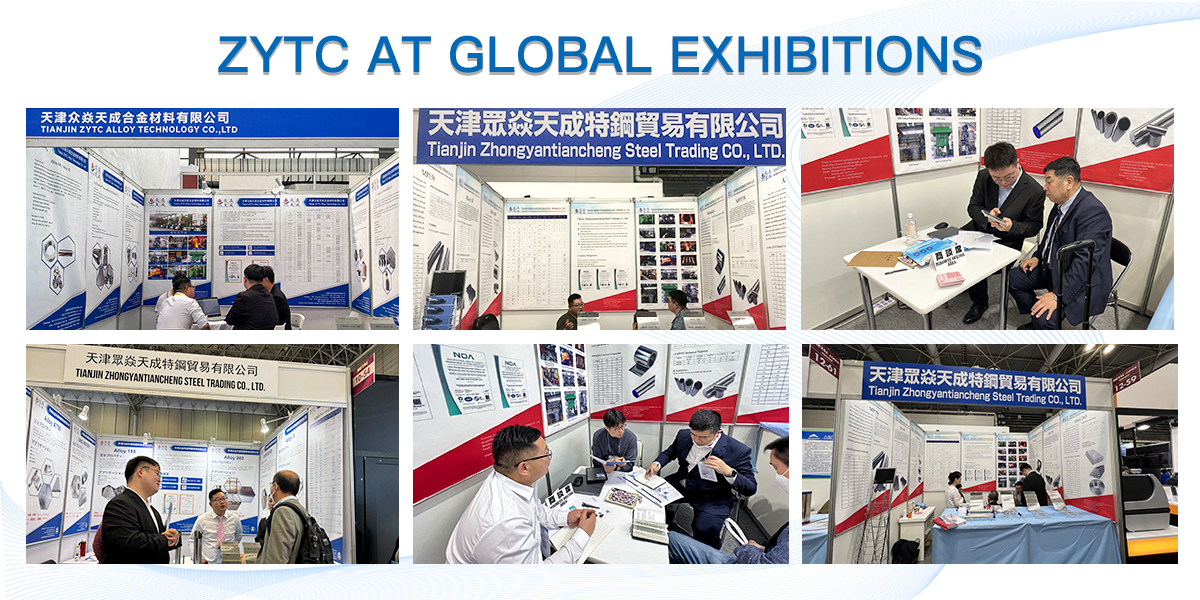
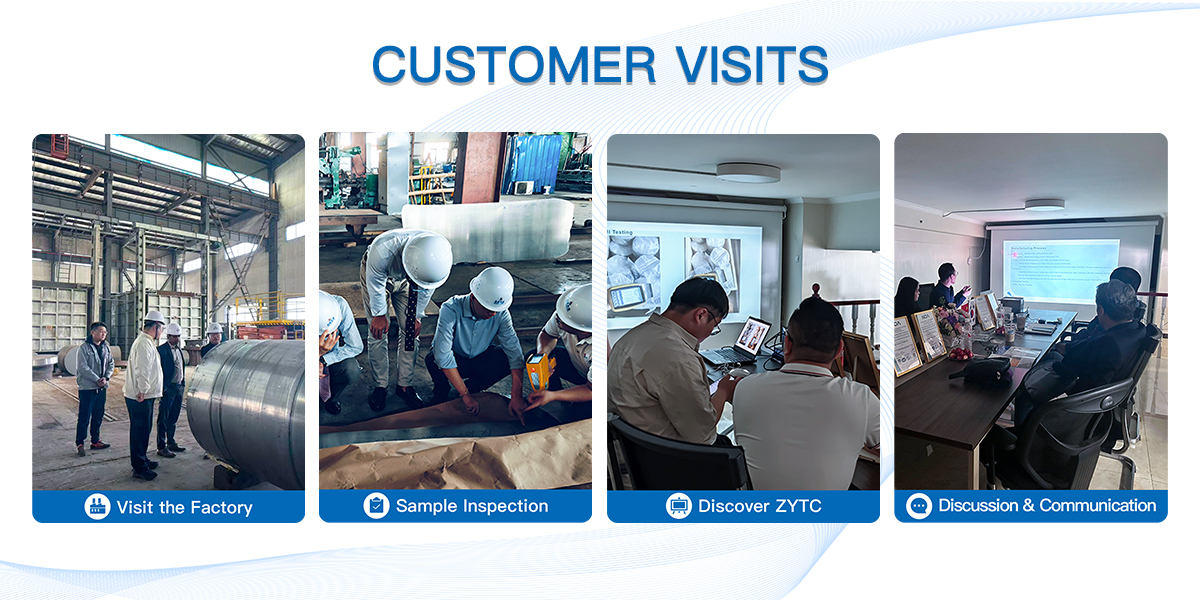
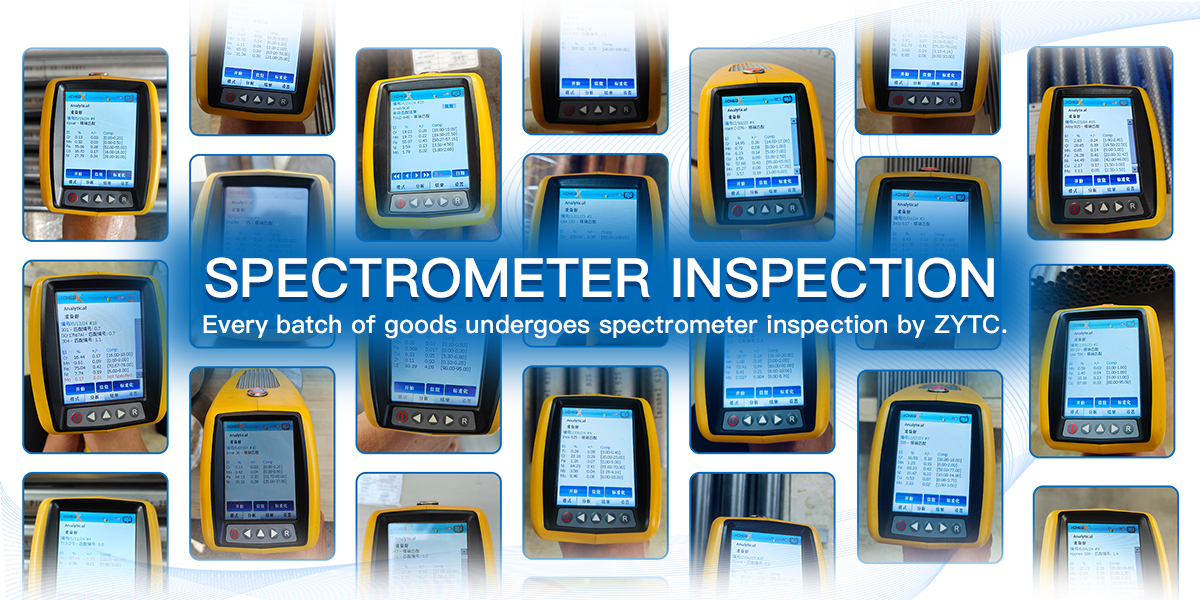
ZYTC Alloy, a certified supplier holding ISO 9001 and AS9120 certifications, manufactures and supplies Haynes® 214 in various forms, including Sheet, Plate, Bar, and Strip. Whether your project is in the prototyping phase or full-scale production, ZYTC Alloy provides the assurance of quality and traceability. Contact ZYTC Alloy today to discuss your requirements, request a free sample, and obtain a competitive quote for alloy 214. Contact Us:Email:daisy@zytcsteel.com WhatsApp/WeChat: +86 17335753350 |