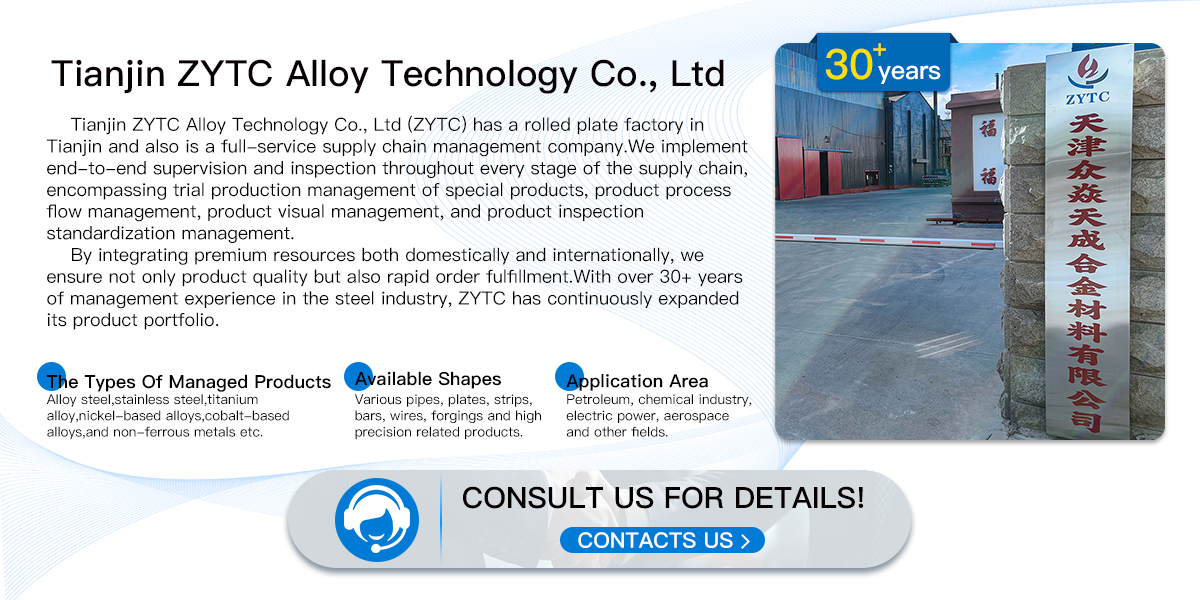
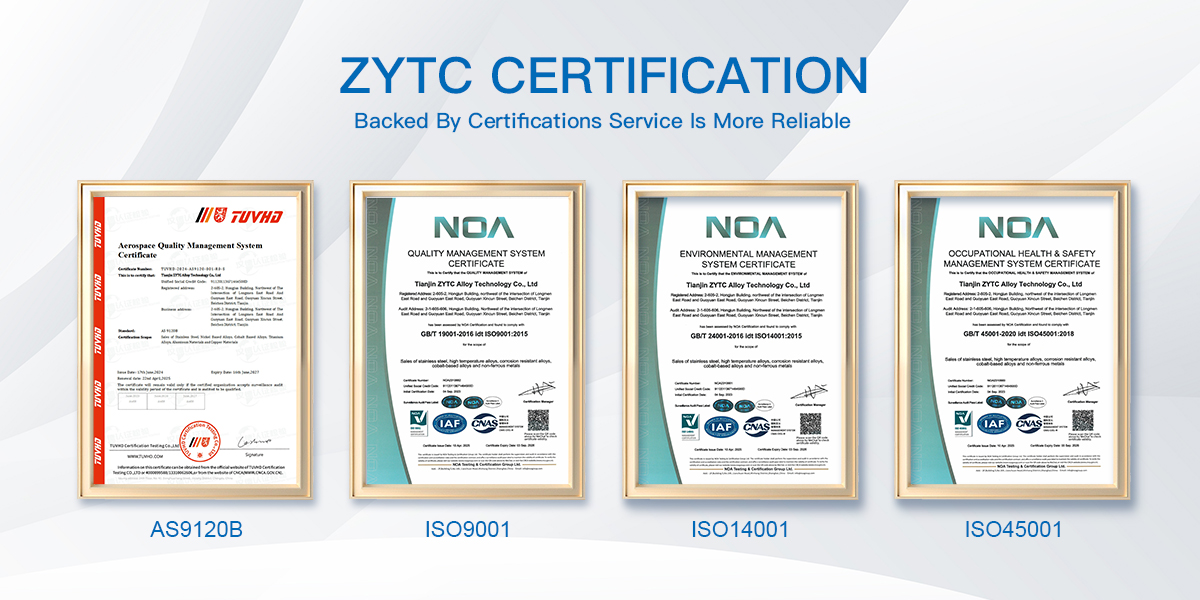
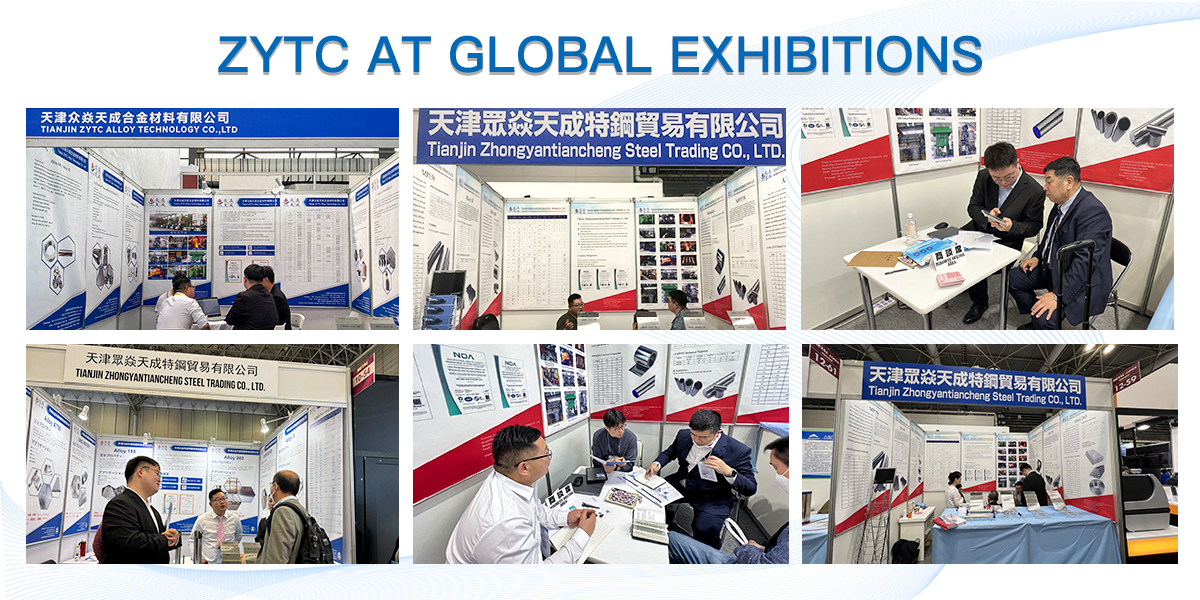
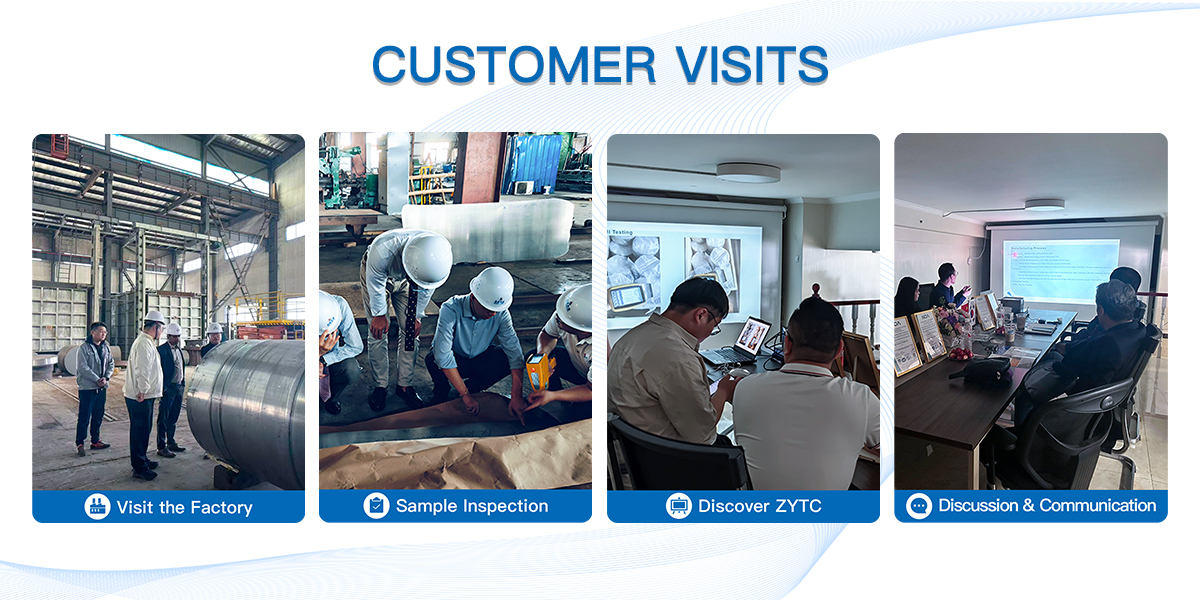
ZYTC Alloy is a leading global supplier and manufacturer of high-performance alloy 600 (UNS N06600) nickel alloy. We specialize in providing comprehensive supply chain solutions, ensuring every step—from melting and forging to final machining and inspection—meets the highest international quality standards.
Delivery :
FOB
minimum order :
50 kilograms
Supply Ability :
5000kilograms / Month
Stock Time :
7-10Day
Country of Origin :
CHINA
Quantity :
add to cart
Contact Now
The following is a meticulously organized technical selection guide for Alloy 600, designed to assist you in making an efficient and accurate preliminary evaluation.
I. Basic Product Information
This section provides the core overview of alloy 600, helping you quickly understand what this material is, its primary advantages, and the product forms we offer.
Material Name: Inconel 600 Nickel-Chromium-Iron Alloy (UNS N06600 / 2.4816)
Material Definition: An austenitic alloy with a Nickel (Ni) base, alloyed with Chromium (Cr) and Iron (Fe). It is a proven, decades-old"workhorse"material specifically engineered for applications demanding high reliability in harsh environments, serving critical functions across industries such as chemical processing, nuclear power, and aerospace.
Core Advantages Overview:
Excellent High-Temperature Performance: Maintains good oxidation and carburization resistance under continuous service conditions up to 1093°C (2000°F).
Outstanding Corrosion Resistance: Notably renowned for its resistance to chloride-ion stress corrosion cracking (SCC), corrosion by high-purity water, and caustic corrosion.
Product Forms Available from ZYTC: As a comprehensive supply chain management specialist, we offer a full spectrum of premium products, including:
Pipes & Tubing (Seamless / Welded / Fittings)
Plates, Sheets & Strips
Bars & Rods (Round / Square / Hex)
Wires
Forgings (Flanges, Rings, etc.)
High-Precision Machined Components
II. Material Standards & Specifications
This section clearly outlines the industry standards that alloy 600 complies with, ensuring traceability and regulatory compliance—essential foundations for procurement contracts and technical agreements.
Product Form
Aerospace Material Specifications (AMS)
ASTM International Standards
Plate/Sheet/Strip/Foil
AMS 5540
ASTM B168
Bar/Forgings/Rings
AMS 5665
ASTM B166, ASTM B564 (Forgings)
Seamless Tubing/Pipe
AMS 5580
ASTM B167 (Pipe), ASTM B163 (Heat Exchanger Tube)
Welded Pipe/Tubing
-
ASTM B517 (Pipe), ASTM B516 (Heat Exchanger Tube)
III. Chemical Composition (wt%)
Precise chemical composition is the foundation of material performance. We strictly control the following key elements to ensure every batch meets the required specifications.
Element
C
S
Cr
Cu
Mn
Si
Ni
Fe
Content
0.15 max
0.015 max
14.0 - 17.0
0.50 max
1.0 max
0.50 max
72.0 min
6.0 - 10.0
IV. Service Conditions & Material Selection Boundaries
This section is designed to assist your engineering team in determining whether alloy 600 is suitable for a specific service environment—a critical step in the material selection process.
Suitable Conditions (Why choose it?)
High-Temperature Oxidation/Carburization Environments: Such as furnace components, radiant tubes, muffles, retorts, and annealing furnaces, with operating temperatures up to 1093°C.
High-Purity Water Environments: Particularly suitable for applications with extremely stringent requirements for corrosion resistance and minimal impurity release, such as steam generator tubing and control rod mechanisms in Pressurized Water Reactors (PWRs).
Caustic Corrosion Environments: For equipment handling caustic alkalies, soaps, synthetic detergents, and other chemicals in processing industries.
Chloride Stress Corrosion Cracking (SCC) Risk Environments: An ideal replacement material in chloride-containing environments where many austenitic stainless steels are susceptible to SCC.
Thermal Cycling and Fatigue Load Applications: Such as seals, sparking electrodes, and other components in aerospace applications.
Material Selection Boundaries (When to consider alternatives?)
Strong Reducing Acid Environments: In environments like high-temperature dilute sulfuric acid or hydrochloric acid, Inconel 600's corrosion resistance may be insufficient. In such cases, molybdenum-bearing nickel alloys like Inconel 625 or Hastelloy C-276 should be considered.
High-Sulfur Environments: Performance may be inferior to certain alloys containing cobalt or higher chromium content in specific high-sulfur atmospheres.
Applications Requiring Higher Strength: When design requirements demand higher room-temperature or high-temperature strength, precipitation-hardened nickel alloys like Inconel X-750 may be necessary.
V. Manufacturing Process & Heat Treatment
Our end-to-end process control, from melting to finished product, ensures exceptional quality at every stage. Understanding the heat treatment processes helps you evaluate the final material condition.
ZYTC Full-Process Manufacturing Control:
Melting: Utilizes advanced processes like AOD/VIM for precise composition control and impurity removal.
Forging/Rolling: Transforms ingots into semi-finished products such as bars, plates, and tubes through hot and cold working processes.
Heat Treatment: Precisely controlled heat treatment cycles to achieve optimal microstructure and mechanical properties.
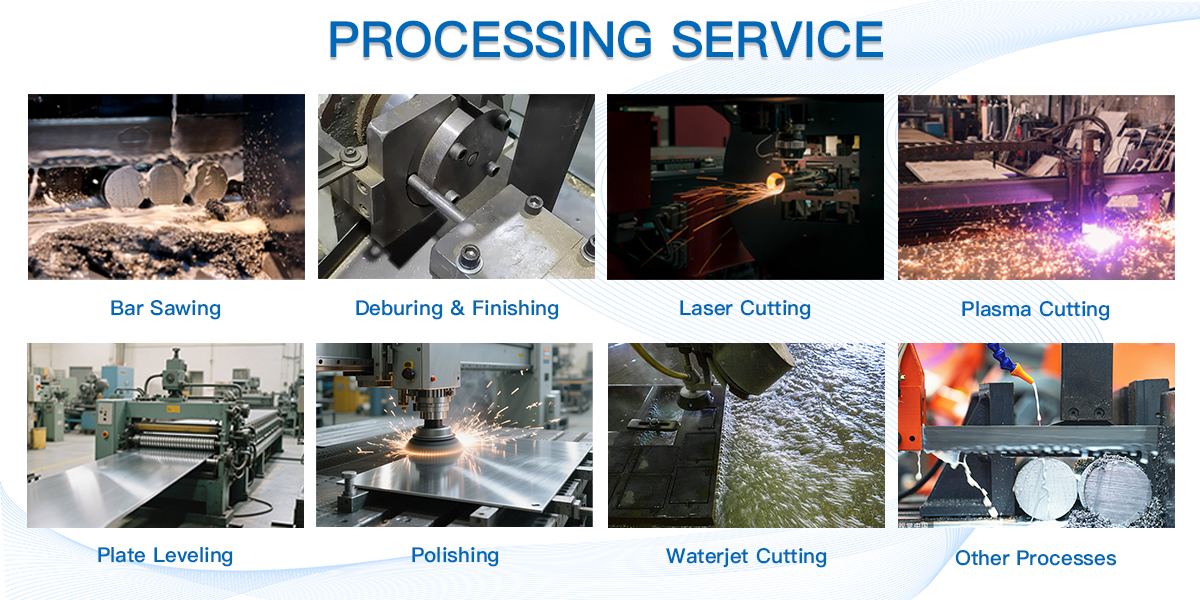
Machining: For precision components, we offer one-stop machining services to meet your final dimensional requirements.
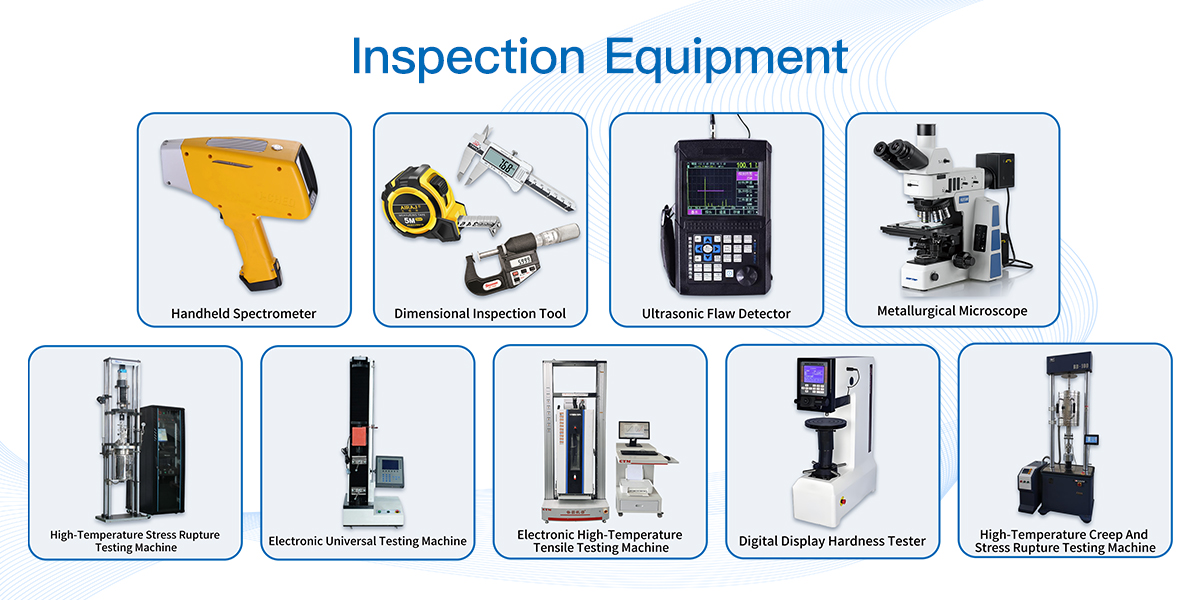
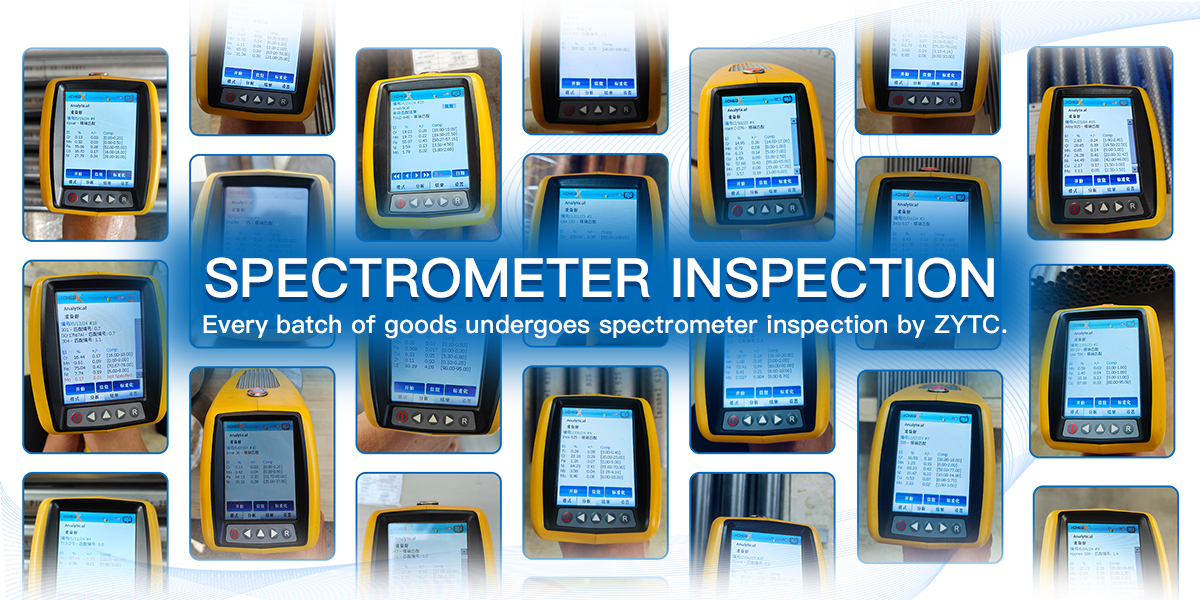
Inspection: Strictly implements non-destructive testing (e.g., ultrasonic, eddy current) and destructive testing (tensile, hardness, metallography) to ensure zero defects.
Heat Treatment Process Parameters:
Annealing: Aims to soften the material for subsequent forming. A typical process involves holding at approximately 1010°C for about 15 minutes, followed by rapid cooling.
Solution Annealing: Aims to dissolve carbides and promote grain growth, enhancing creep resistance and rupture strength. A typical process involves holding at 1090-1150°C for 1-2 hours, followed by rapid cooling.
VI. Mechanical Properties (Typical Values)
We provide typical mechanical properties for different product forms and conditions to facilitate your strength calculations and design verification.
Product Form & Condition
Tensile Strength (MPa)
Yield Strength (MPa)
Elongation (%)
Hardness (HRB)
Bar (Cold Drawn + Annealed)
550 - 690
170 - 345
55 - 35
65 - 85
Plate (Hot Rolled + Annealed)
550 - 725
205 - 345
55 - 35
65 - 85
Sheet/Strip (Cold Rolled + Annealed)
550 - 690
205 - 310
55 - 35
88 max
Tube/Pipe (Cold Drawn + Annealed)
550 - 690
170 - 345
55 - 35
88 max
VII. Material Comparison & Selection Guide
To assist you in making more informed decisions when comparing materials, we offer the following brief comparison:
Marine engineering, FGD systems, Highly corrosive chemical environments
Procurement Recommendation: If your primary application involves high-temperature oxidation/carburization, high-purity water, or caustic corrosion, and cost is a consideration, Alloy 600 offers excellent cost-performance value. However, if you are simultaneously facing strong reducing acid corrosion or require higher structural strength, then Inconel 625 would be the superior choice.
Take the Next Step: If you have any technical questions or procurement needs regarding Inconel 600, please do not hesitate to contact ZYTC Alloy. We can provide not only high-quality materials meeting the most stringent standards but also offer professional material selection advice and technical support. We welcome you to request a free sample and a competitive quote today!