Alloy 105 / 2.4634
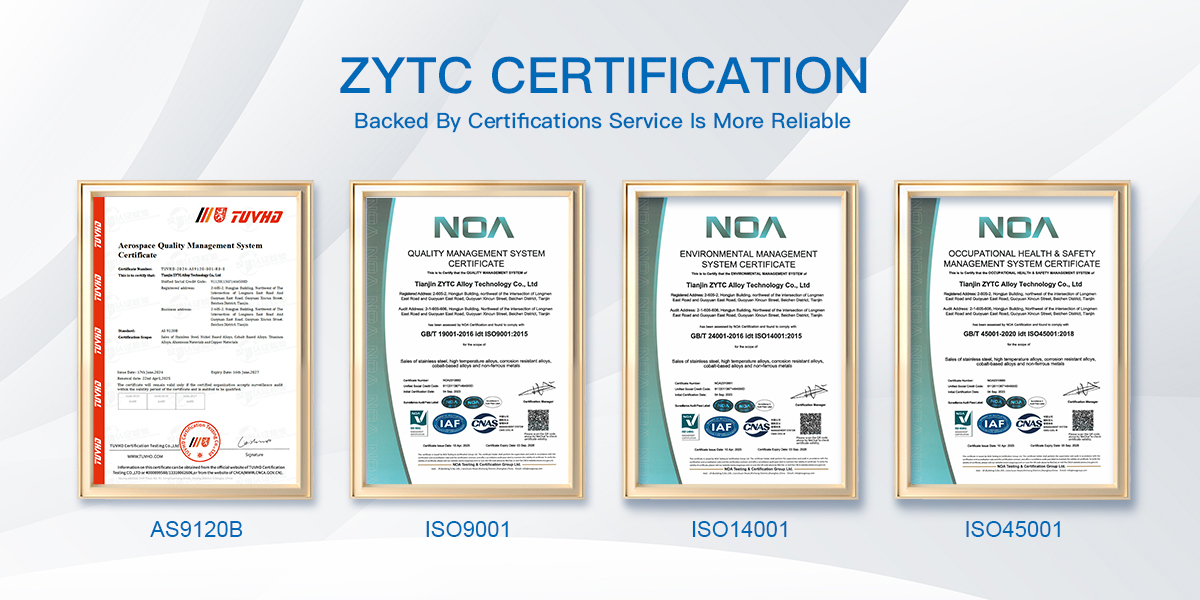
Alloy 105 / 2.4634 Nickel-Cobalt-Chromium Superalloy — Heat Treatment Selection & Procurement GuideFor gas turbine blade, disc, and high-temperature fastener design engineers — supplied by ZYTC Alloy, ISO 9001 certified manufacturer and exporter The Core Decision on This Grade Is Not"Buy or Not"— It's"Which Heat Treatment Schedule"Nimonic 105 (Werkstoff 2.4634 / UNS N07105) is a precipitation-hardenable nickel-cobalt-chromium superalloy strengthened by molybdenum, aluminum, and titanium additions, with service capability up to 950°C. It is used in the most critically stressed rotating components of gas turbine engines — blades, discs, ring sections, and high-temperature fasteners. But there is a variable in Alloy 105 procurement that is easy to overlook: Special Metals publishes two different heat treatment schedules, and which one applies depends on the part's function, not on the material itself.
The procurement trap: If the PO states only"Alloy 105, heat treated per standard,"the supplier may deliver either schedule. For a turbine disc or blade, schedule (b) does not provide sufficient long-term creep strength above 850°C. For a fastener, schedule (a)'s multi-stage treatment adds cost and may sacrifice room-temperature ductility and impact energy. Procurement action: State"Heat treatment per Special Metals schedule (a) / (b)"on the PO, or specify the service temperature and part type and require the supplier to confirm the schedule choice. Chemical Composition and Critical Control Elements
The hidden influence of carbon: OSTI research specifically compared the microstructure and properties of Nimonic 105 at normal carbon content (~0.15%) and a low-carbon version (~0.03%). Carbon forms grain-boundary carbides that strengthen the boundaries, but excessive carbon can affect long-term microstructural stability. If the lot is for long-term high-temperature service (design life measured in years), require the actual carbon content rather than"conforms to specification."For rotating components at 950°C, lot-to-lot carbon consistency matters more than the absolute value. Mechanical Properties (Typical, After Schedule (a))
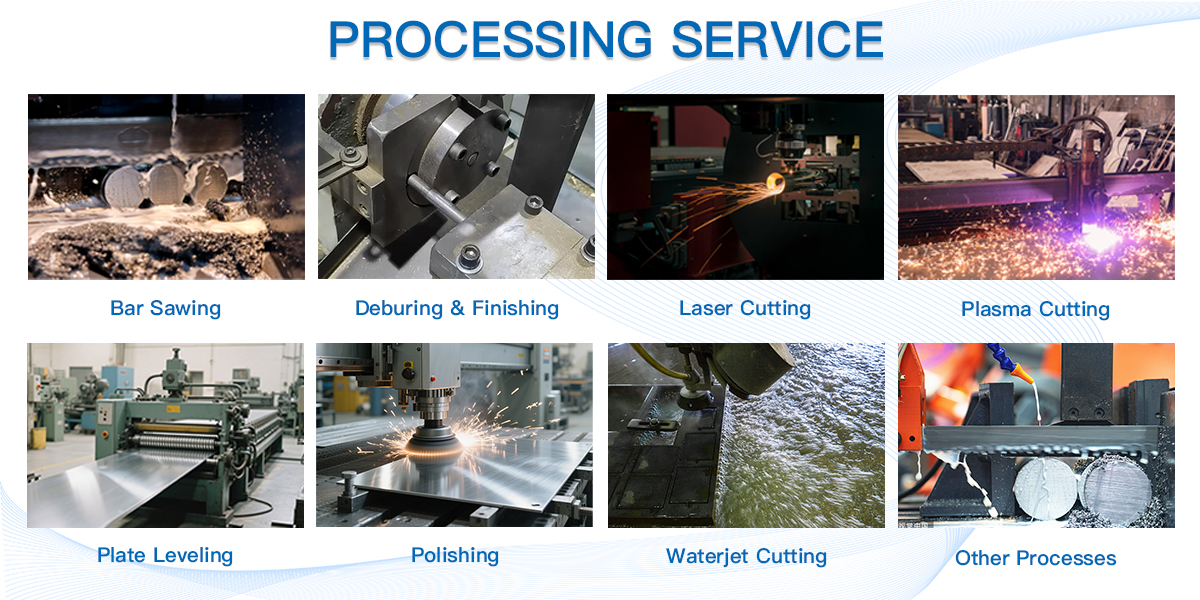
Source: Special Metals technical bulletin, schedule (a) condition. Actual values per mill certificate. Correction to the original page: The original page stated room-temperature yield ≥770 MPa and tensile ≥1150 MPa, which broadly agrees with published data. However, the original heat treatment description ("Stage 1: 1149°C") approximated but did not match schedule (a)'s 1150°C, and omitted schedule (b) entirely. This version corrects both. Hard Constraints in Processing and WeldingThe hot working window is narrow and overlaps the service temperature. Hot working range is 950–1150°C. For Alloy 105 forgings, post-forge cooling and heat treatment must be controlled continuously — if the forging is slow-cooled or held improperly during the 1050–1065°C intermediate stage, the γ′ size distribution deviates from design, and final aging cannot fully correct it. Welding is feasible, but full post-weld heat treatment is mandatory. GTAW and GMAW are both suitable, with matching filler metal. After welding, the complete schedule (a) or (b) heat treatment must be performed to restore parent-metal properties. Do not use in the as-welded condition — γ′ distribution in the weld and heat-affected zone differs from the parent metal, and strength will not match. Machining requires heavy-duty equipment. The alloy's high strength and work-hardening tendency demand rigid setups and sharp tooling. Positive-rake carbide tooling is essential; drilling and tapping require heavy-duty lubricants. An easily overlooked service risk: Research shows that Nimonic 105 exposed to air at 1050°C and then creep-tested at 750°C exhibits reduced creep performance due to oxidation damage; the same effect was not observed at 850–900°C. If the part serves near 750°C and experiences high-temperature exposure, the effect of surface oxidation on creep life should be assessed at the design stage — do not assume material properties remain constant in service. Why Source from ZYTC
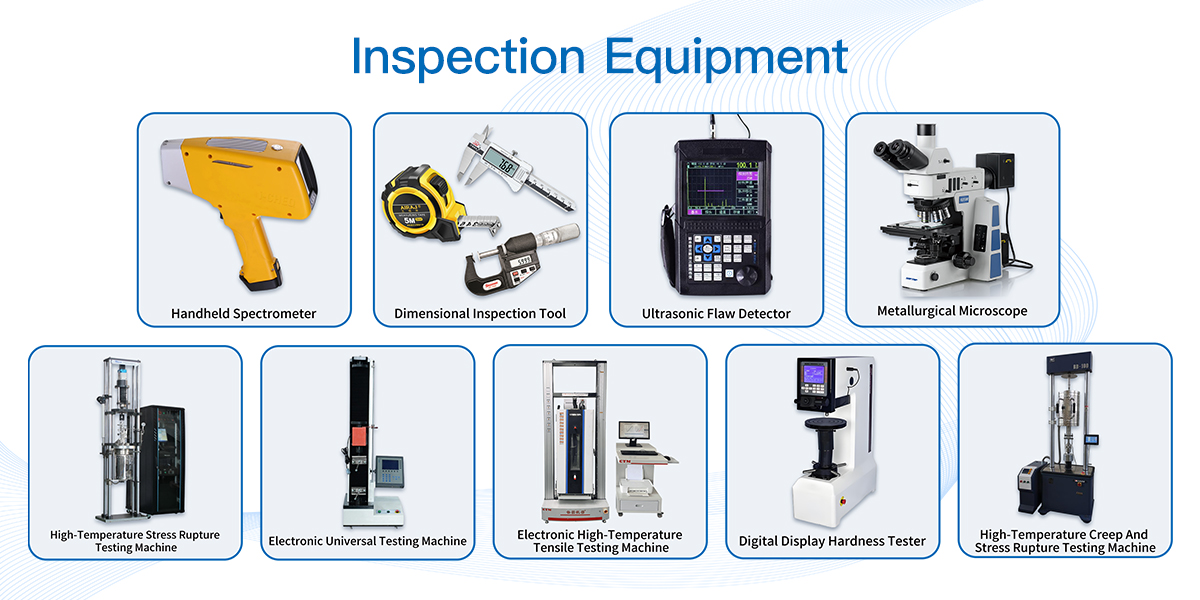
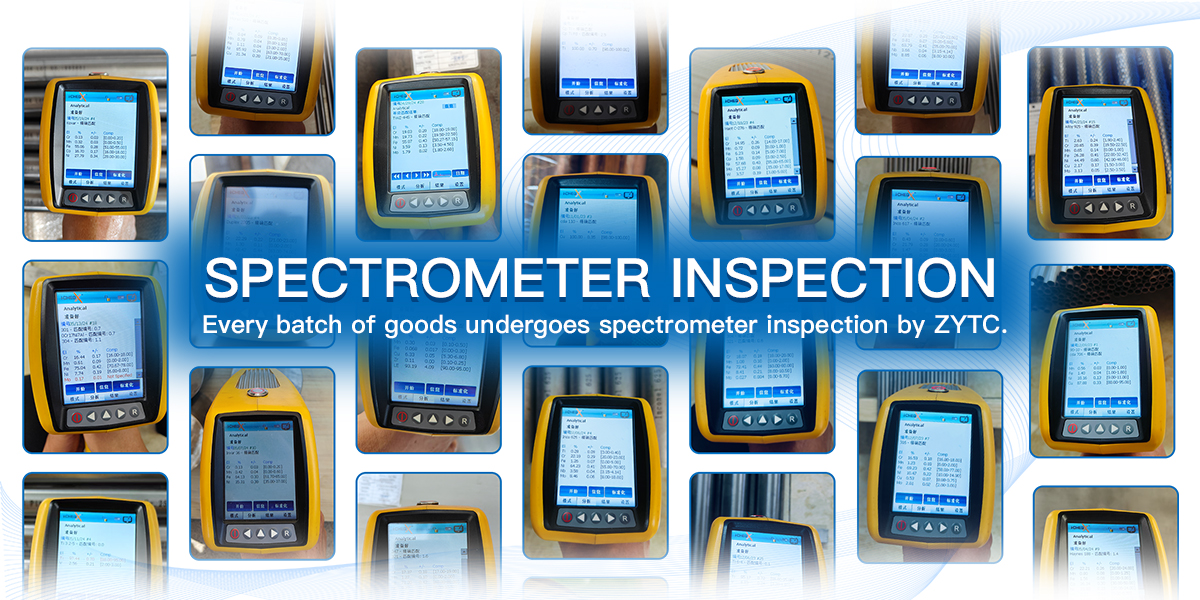
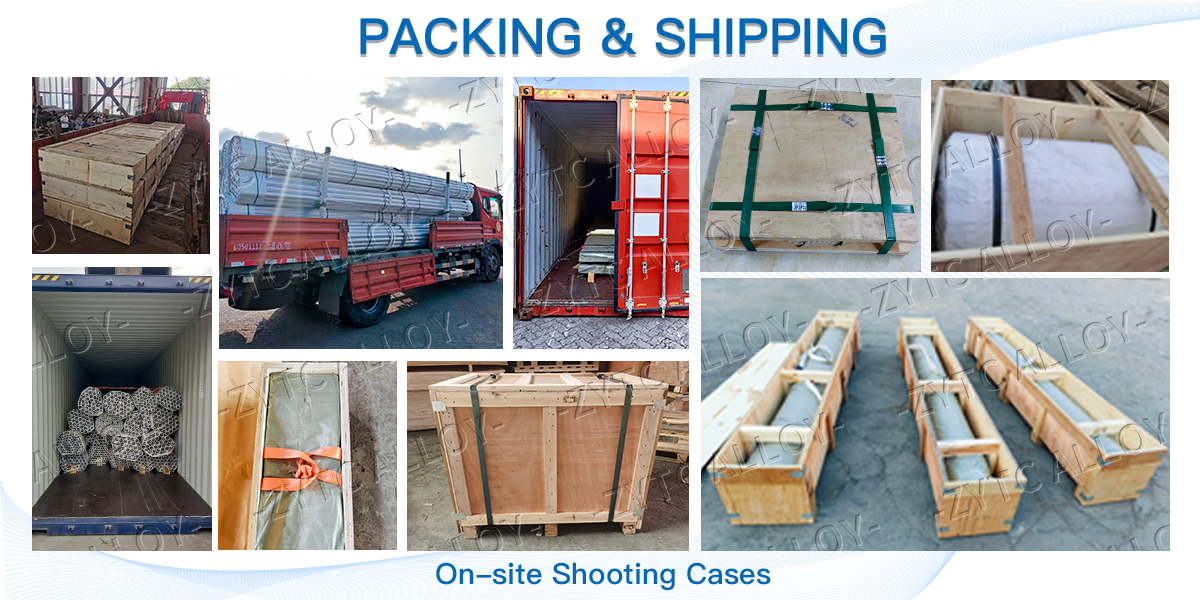
Request a QuotePlease provide: form (bar / forging / ring), size, service temperature and part type (to confirm schedule (a) or (b)), quantity, and whether a carbon content report or third-party testing is required. If the part is for long-term service above 850°C, note this in the inquiry — we will confirm the schedule (a) heat treatment plan and property data. 📧 daisy@zytcsteel.com |