1.4959 / Alloy 800HT (UNS N08811) Material
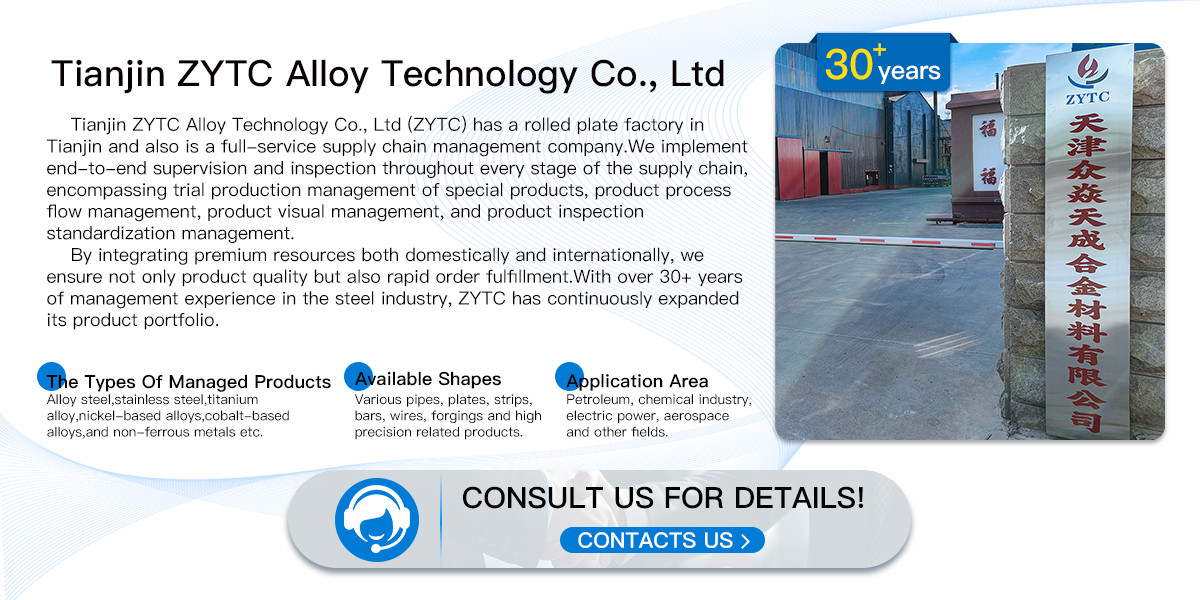
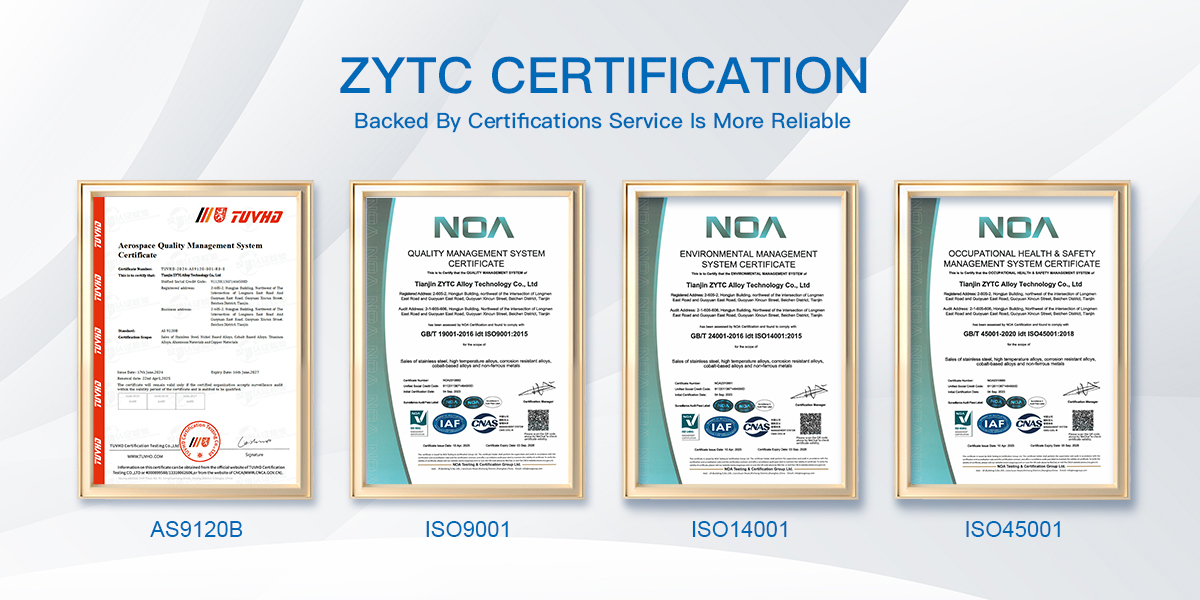
1.4959 / Alloy 800HT (UNS N08811) — Selection & Procurement GuideFor furnace, reformer, and petrochemical engineers specifying the highest-creep-strength grade in the 800 series — supplied by ZYTC Alloy, ISO 9001 & AS 9120B certified. What This Grade Is, and Why the"HT" Matters1.4959 (Alloy 800HT / UNS N08811) is an iron-nickel-chromium alloy belonging to the 800 series family. It shares the basic composition of Alloy 800, but delivers significantly higher creep rupture strength through three tightly controlled variables that standard 800 does not require. The engineering value of 800HT rests on a combination that must be verified, not assumed:
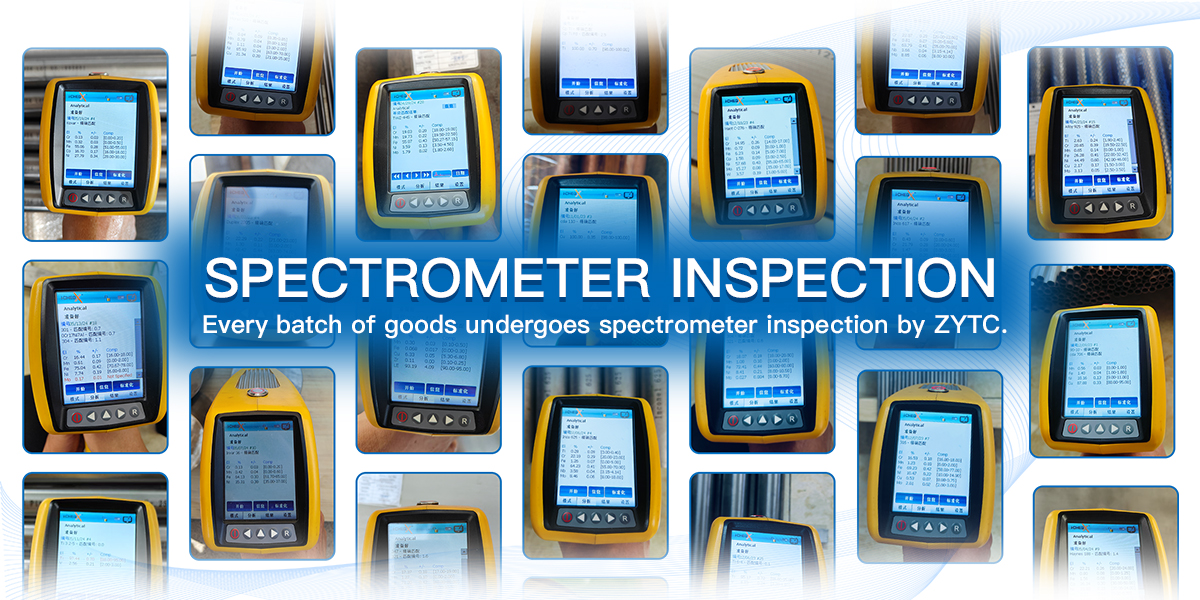
The practical consequence: if a mill certificate shows “N08811” but does not report actual Al+Ti values, actual carbon, and measured grain size, you cannot confirm you received 800HT rather than 800H or 800. This is the single most common procurement failure on this grade. ZYTC Alloy supplies Alloy 800HT with full mill traceability and certificates that report the variables that actually define the grade. The Selection Boundary: 800 vs 800H vs 800HTThis is the decision that determines whether your component survives its design life, and it is not a simple"higher grade is better" choice.
The trap that catches designers: 800HT has excellent creep strength above 700°C, but its high Al+Ti content makes it more susceptible to γ′ precipitation below 700°C, which can cause a loss of creep ductility . If your application involves frequent temperature excursions below 700°C, or if portions of the component are permanently exposed below 700°C, the correct choice is 800H, not 800HT. This is not a theoretical concern. ASME research notes that 800HT heats with Al+Ti near the upper bound are specifically vulnerable to this ductility loss below 700°C . Specifying 800HT for a mixed-temperature furnace section can reduce, not improve, service life. If you are unsure: state the actual operating temperature profile — including the coldest section of the component — on the RFQ. We will confirm whether 800HT or 800H is the defensible choice before quoting. What a Proper 800HT Certificate Must ShowBecause the grade is defined by chemistry and grain size, not by the UNS number alone, the mill certificate is the primary quality document. Require the following measured values (not just “conforms to spec”):
A certificate that lists only “N08811” and typical values, without actual heat-specific chemistry and measured grain size, is not sufficient evidence of 800HT. Product Forms & Availability
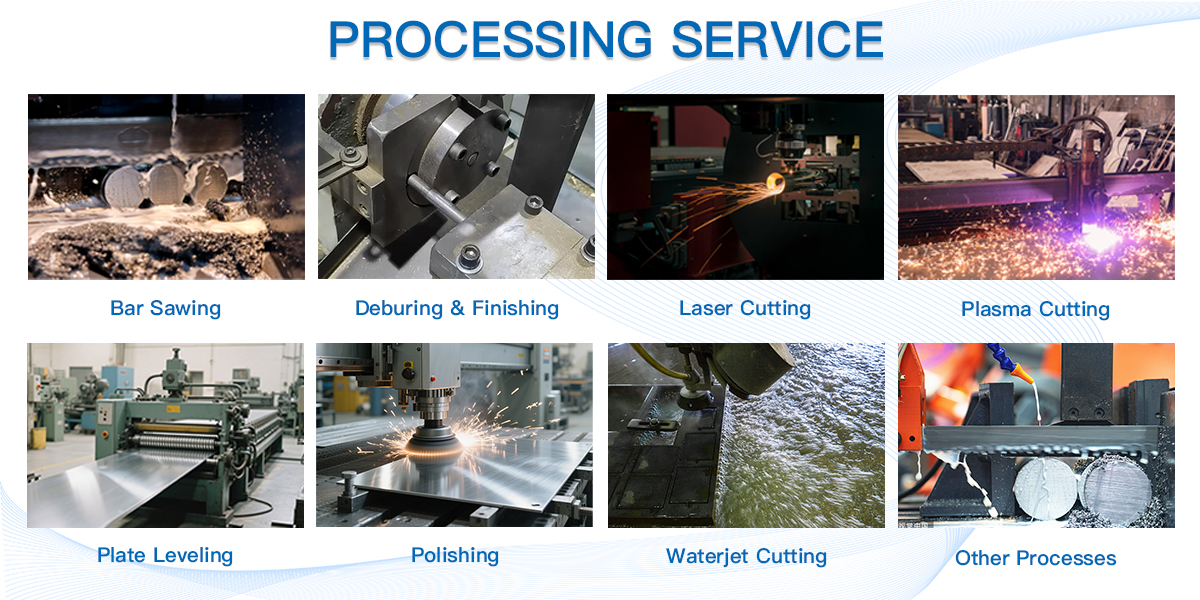
Thick-section note: 800HT's required coarse grain structure is achieved through high-temperature annealing. For heavy plate or large forgings, cooling rate through the section thickness can affect the final grain structure. For critical pressure-boundary components, specify mid-thickness grain size verification or request the heat treatment record. Fabrication Notes That Affect Creep PerformanceWelding: Good weldability by GTAW/TIG, GMAW/MIG, and resistance welding; matching filler metal recommended. However, 800HT’s coarse grain structure makes it susceptible to stress relaxation cracking (SRC) in thick-section welded fabrications above roughly 540°C (1000°F). For pressure vessels or critical weldments, a post-weld heat treatment at approximately 1650°F (900°C) is recommended to reduce residual stress before service . Hot working: Forge at 1010–1232°C (1850–2250°F); reheat as necessary. Cold forming: Good formability; intermediate annealing may be required for severe deformation. Note that any intermediate anneal must not compromise the final grain size requirement — coordinate with the mill if cold forming is part of your process route. Machining: Similar to austenitic stainless steels; sharp tools and adequate coolant required. Applications
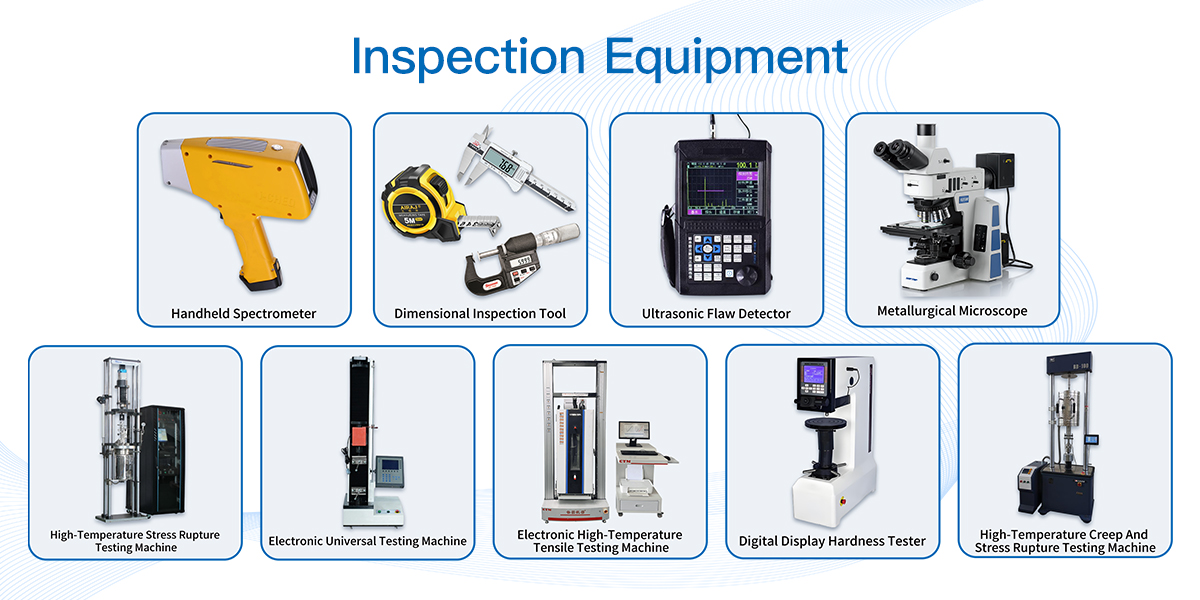
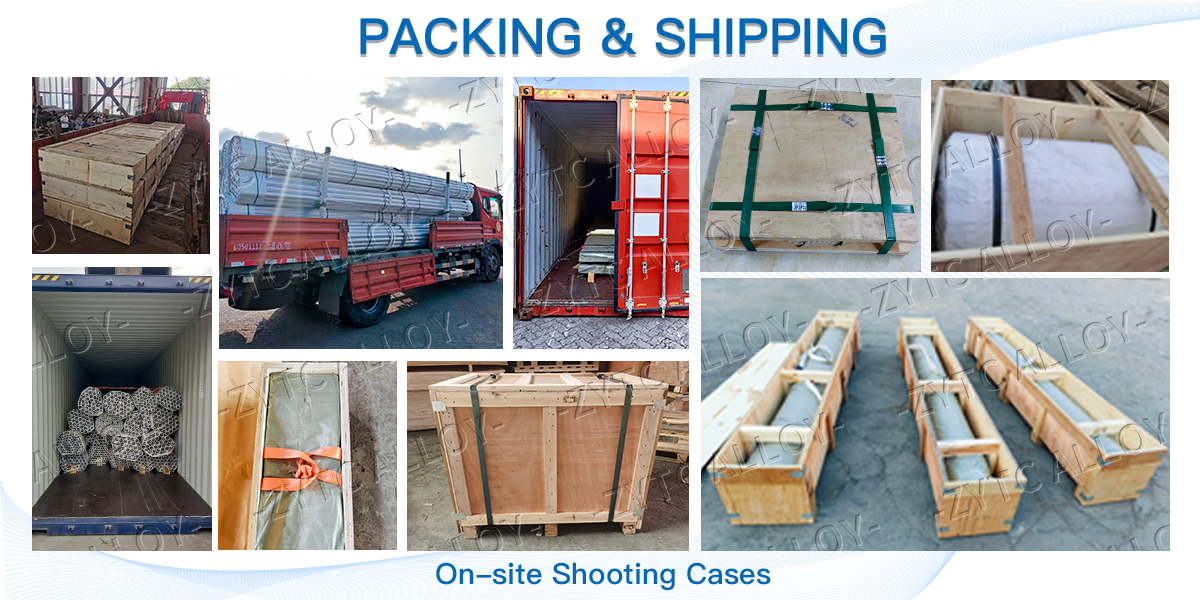
Why Source 800HT from ZYTC Alloy
Request a QuotePlease provide: form (bar / plate / sheet / tube / pipe / strip / shapes), size, quantity, destination port, and any special certification requirements. If you are unsure about 800HT vs 800H, include the full operating temperature profile — including the coldest section of the component — and we will confirm the grade before quoting. 📧 daisy@zytcsteel.com |