Alloy 75 (UNS N06075 / 2.4630) is a solution-strengthened nickel-chromium alloy with a nominal composition of 80Ni-20Cr, designed for low-stress applications requiring oxidation resistance up to 650°C (1200°F) . This alloy offers a practical balance of moderate strength, excellent fabricability, and good thermal stability, making it a standard choice for sheet metal fabrications in gas turbine engines and industrial heating equipment across European and global markets .
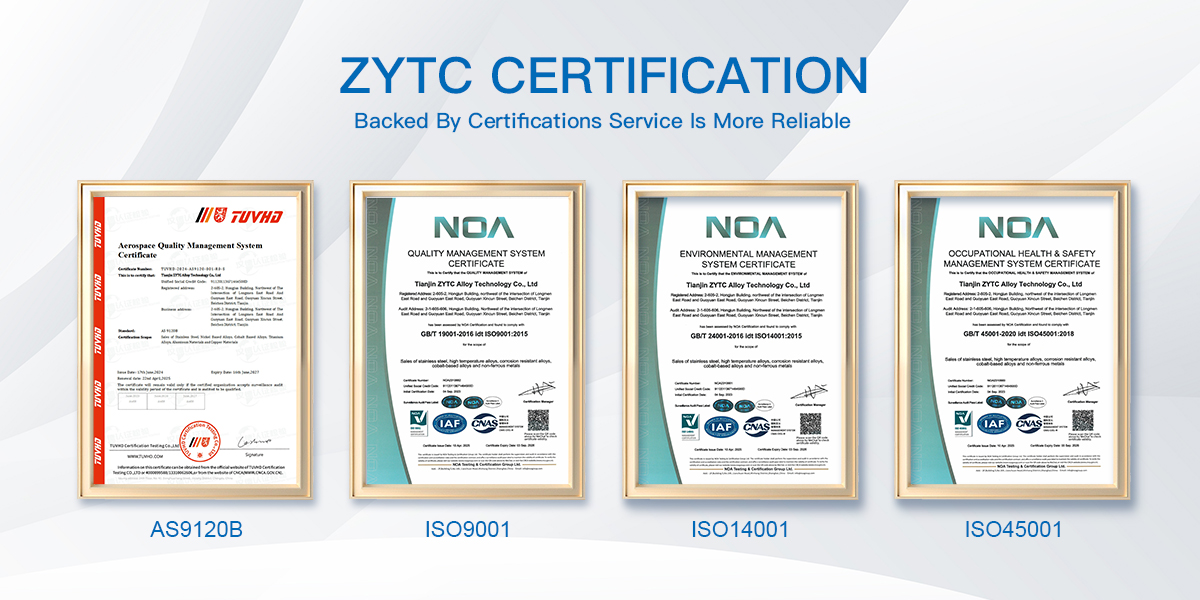
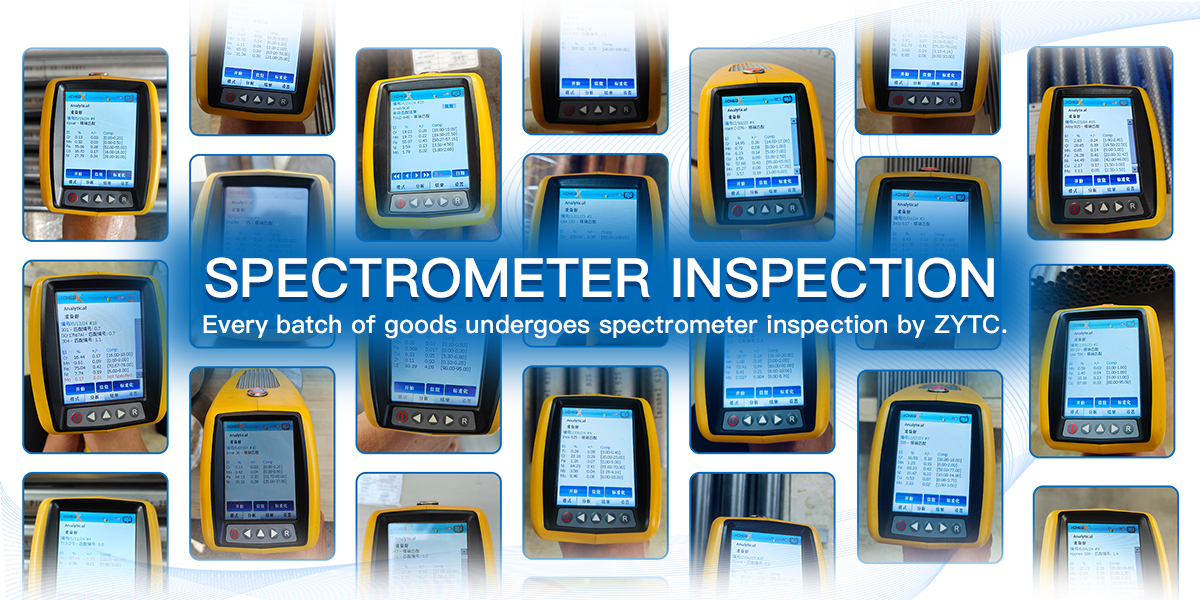
1. Product Specifications & Physical DataZYTC Alloy supplies UNS N06075 in mill forms suitable for aerospace fabrications, furnace components, and heat-treating equipment requiring consistent performance and reliable supply chain certification. Available Forms: Bar, round bar, flat bar, plate, strip, sheet, wire, tube, rod, forging stock, and extruded sections. Specifications: ASTM B637, BS HR203/3HR1/HR3/HR4, DIN 2.4951/2.4630, AMS 5541 .
| Chemical Composition (Weight %) | Haynes® 75 Specification |
|---|
| Nickel (Ni) | 76 balance (72 min.) | | Chromium (Cr) | 18.0 - 22.0 | | Iron (Fe) | ≤ 5.0 | | Titanium (Ti) | 0.20 - 0.60 | | Carbon (C) | 0.08 - 0.15 | | Silicon (Si) | ≤ 1.0 | | Manganese (Mn) | ≤ 1.0 | | Aluminum (Al) | ≤ 0.40 | | Cobalt (Co) | ≤ 1.0 |
| Physical Properties | Metric | Imperial |
|---|
| Density | 8.37 g/cm³ | 0.302 lb/in³ | | Melting Range | 1340 - 1380°C | 2445 - 2515°F | | Thermal Conductivity (600°C) | 22.7 W/m·K | 164 BTU·in/hr·ft²·°F | | Modulus of Elasticity (20°C) | 221 GPa | 32.0 × 10⁶ psi |
| Mechanical Properties (Annealed Sheet) | Metric | Imperial |
|---|
| Tensile Strength (Room Temp) | 792 MPa | 114.4 ksi | | Yield Strength (0.2% offset, Room Temp) | 407 MPa | 59.4 ksi | | Elongation (Room Temp) | 31% | 31% | | Tensile Strength (649°C/1200°F) | 473 MPa | 69.3 ksi | | Yield Strength (649°C/1200°F) | 275 MPa | 40.0 ksi | | Elongation (649°C/1200°F) | 32% | 32% |
2. Operating Conditions & Selection CriteriaHaynes® 75 is specified when designers require a readily formable alloy with predictable oxidation behavior at moderate temperatures, without the complexity or cost of precipitation-hardenable systems. Service Temperature Range: Optimized for continuous operation up to 650°C (1200°F) for load-bearing applications; oxidation resistance remains effective up to 1100°C for non-stressed components . Oxidation Performance: Forms adherent Cr₂O₃ scale that resists spalling under thermal cycling. Suitable for oxidizing combustion atmospheres in industrial furnaces . Stress-Rupture Strength: 100-hour rupture strength at 650°C is approximately 130 MPa (18.5 ksi), adequate for low-stress applications such as shrouds, baffles, and non-rotating parts . Microstructural Stability: Single-phase austenitic structure with minor TiC and Ti(CN) precipitates; remains stable during prolonged thermal exposure without sigma phase formation . Corrosion Resistance: Comparable to Alloy 600 in most environments; good resistance to oxidizing media but not intended for reducing acid service .
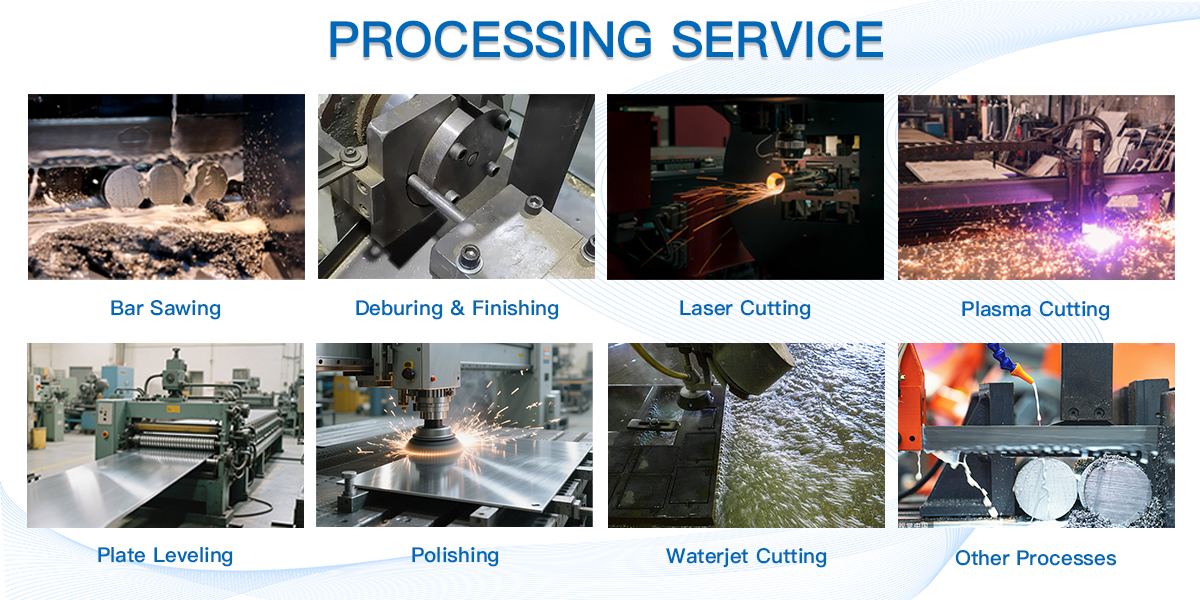
3. Fabrication & Material ComparisonAlloy 75 (UNS N06075 / 2.4630) is specifically valued for its ease of fabrication, particularly in sheet metal form, where its ductility and weldability enable complex geometries without specialized equipment. Machining: Good machinability in annealed condition using conventional methods for iron-nickel alloys. Carbide tooling recommended with positive rake angles. Water-based coolants for high-speed operations; heavy lubricants for tapping and drilling. Welding: Excellent weldability using GTAW, GMAW, and SMAW processes. Matching filler metals (ERNiCr-3 or similar) maintain properties in weld zone. No preheat required; post-weld heat treatment not typically necessary . Forming & Heat Treatment: Hot Working Range: 1000-1180°C (1832-2156°F) Annealing: 1050°C (1925°F) followed by rapid cooling (water quench or accelerated air cool) Cold Working: Excellent ductility permits severe deformation; intermediate anneals may be required for complex forming sequences
Material Comparison: vs. Alloy 600: Approximately equivalent performance in most applications; Haynes® 75 offers tighter composition control and specific aerospace qualification . vs. 310 Stainless: Higher nickel content provides better thermal stability and resistance to thermal fatigue; preferred for cyclic service. vs. Nimonic® 75: Identical material under different trade names; fully interchangeable in specifications .
3. ApplicationsGas turbine engine sheet metal fabrications (European aerospace standards) Industrial furnace radiant tubes and heat-treating fixtures Thermocouple sheaths and temperature measurement systems High-temperature fasteners and springs Nuclear engineering components General furnace hardware: baskets, trays, and muffles Combustion chamber components (non-rotating)
Contact ZYTC Alloy for certified alloy 75 materials with complete traceability, technical datasheets, and competitive pricing on standard sizes or custom-fabricated components. Email:daisy@zytcsteel.com WhatsApp/WeChat: +86 17335753350 |