How to Avoid "Paper Mill" Traps When Sourcing Medical Titanium (Ti-6Al-4V)

In the medical device industry, Ti-6Al-4V ELI (Grade 23) is the reference material for orthopedic implants, surgical instruments and prosthetic components. Demand keeps rising — and so does the incentive to pass off something cheaper as Grade 23.
The most persistent hidden risk in the Chinese supply chain is not a bad mill. It is the "paper mill": a trader who buys inexpensive, unverified titanium from an unknown source and supplies it with a forged, reused or mismatched Mill Test Certificate (MTC). On paper, everything conforms. In your machining cell or your biocompatibility testing, it does not.
This article sets out a practical audit framework for buyers — what to demand, what to verify physically, and where paper certificates stop being sufficient evidence.
The Substitution Trap: Grade 5 Sold as Grade 23
The most common substitution is standard Grade 5 titanium passed off as medical-grade Grade 23 (ELI).
The two grades share the same base chemistry — roughly 6% aluminum, 4% vanadium, balance titanium. What separates them is the interstitial window. Grade 23 requires Extra Low Interstitials: tighter limits on oxygen, nitrogen, carbon and iron. Those interstitial elements govern ductility and fracture toughness, which is precisely why medical implants specify ELI rather than standard Grade 5.
A certificate that lists only Al and V, or that shows interstitial values without a heat number linking them to the actual batch, tells you very little. The interstitial numbers are the whole point of Grade 23 — if they cannot be tied to a specific heat and verified physically, the grade claim is unsubstantiated.
A second, subtler variant: supplying Grade 23 chemistry but with a melting route that never achieved adequate cleanliness. Chemistry can pass while inclusion content does not.
A Three-Step Supplier Audit That Actually Tests the Claim
Step 1: Demand batch-specific spectrometer data — not a generic certificate
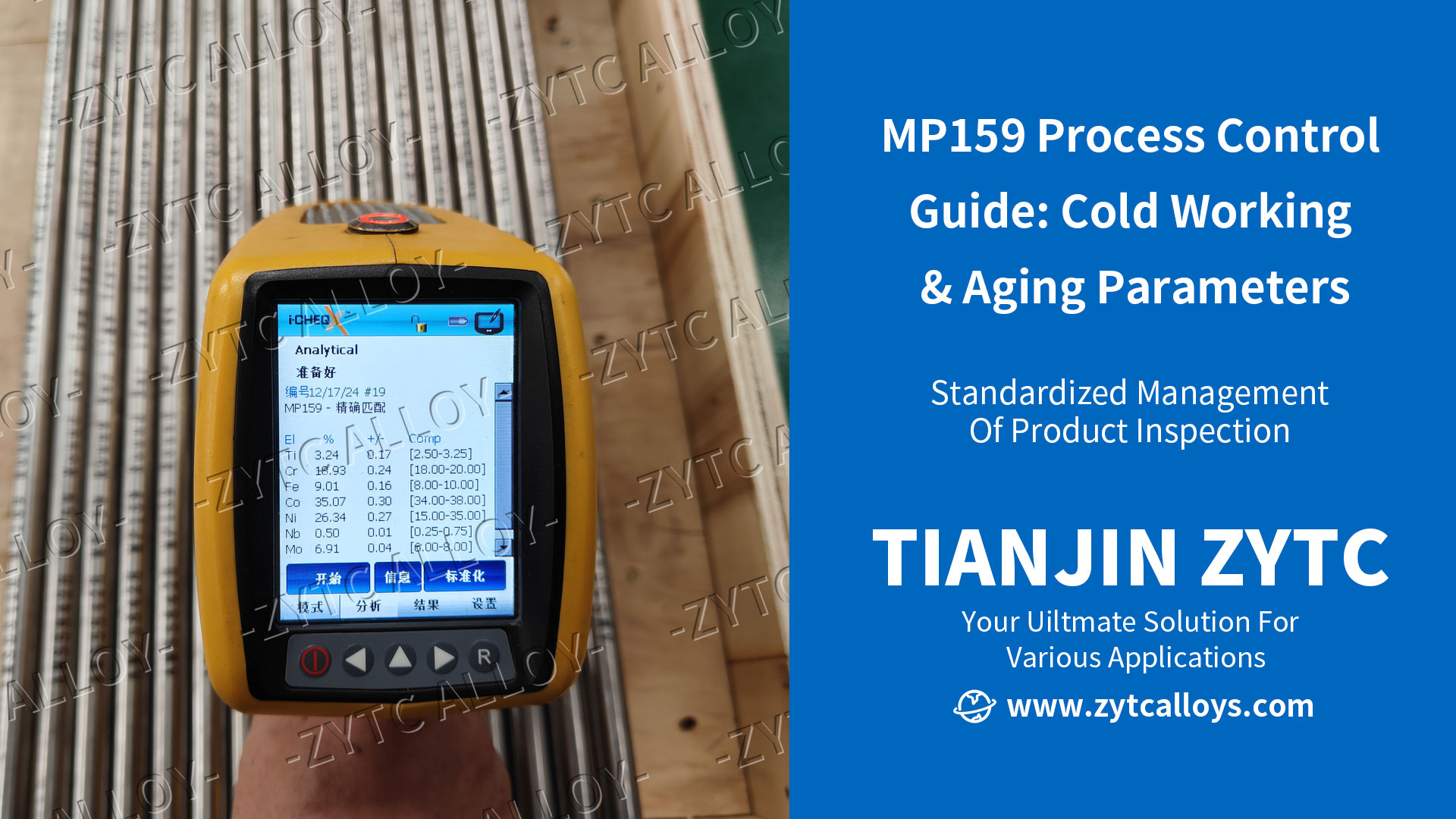
Ask for the actual direct-reading spectrometer printout for your specific heat number, not a template certificate with the heat number typed in afterward. The printout should show measured values for Al, V, Fe and — critically — O, N, C and H, alongside the specification limits.
A paper mill cannot produce a spectrometer printout that corresponds to a heat it never melted. This single request filters out a large share of unreliable suppliers before any commercial discussion begins.
Step 2: Require real microstructure evidence
For titanium, grain size and the presence of alpha-case — a hard, brittle oxygen-enriched surface layer formed during hot working — are direct indicators of process control. Alpha-case left in place becomes a crack initiation site and a machining problem.
A metallurgical microscope image with batch identification, showing the alpha/beta structure and confirming the absence of an unacceptable alpha-case layer, is evidence a trader cannot fabricate convincingly. If a supplier sends a stock photo or a generic micrograph with no batch reference, treat it as no evidence at all.
Step 3: Verify the melting route and its record
Medical-grade Ti-6Al-4V ELI is produced by VAR (Vacuum Arc Remelting), typically following a primary melt. Ask for the melt record — the number of VAR passes, the consumable electrode source, and how the heat number traces back through it.
The melting route is where inclusion control and interstitial consistency are actually determined. A supplier who cannot describe the melt route for a specific heat is passing along material, not controlling it.
Where Physical Verification Changes the Outcome
Paper certificates describe intent. Laboratory verification describes what is actually in the box.
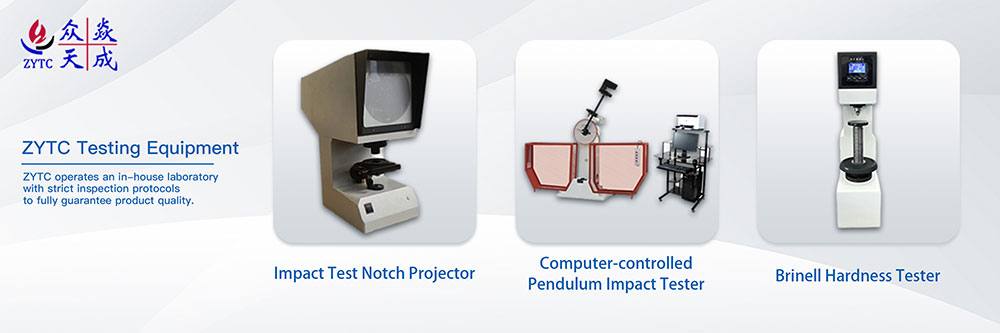
At ZYTC Alloy, every batch of Ti-6Al-4V ELI is physically verified in our in-house laboratory before shipment — whether the order is a 50 kg prototype for R&D or a multi-ton production run. That verification is not a formality layered on top of the mill's paperwork; it is the step that decides whether the batch ships.
What we check, and with what:
-
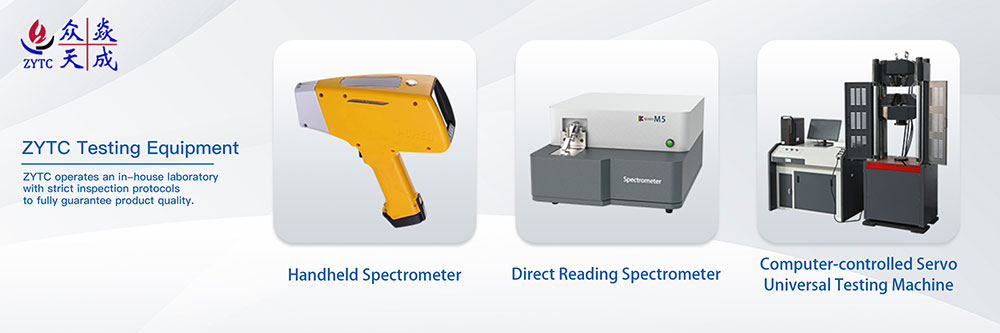
Interstitial and alloying elements — direct-reading spectrometer analysis confirms Al, V, Fe and the ELI-critical O, N, C and H values against the specified grade, batch by batch.
-
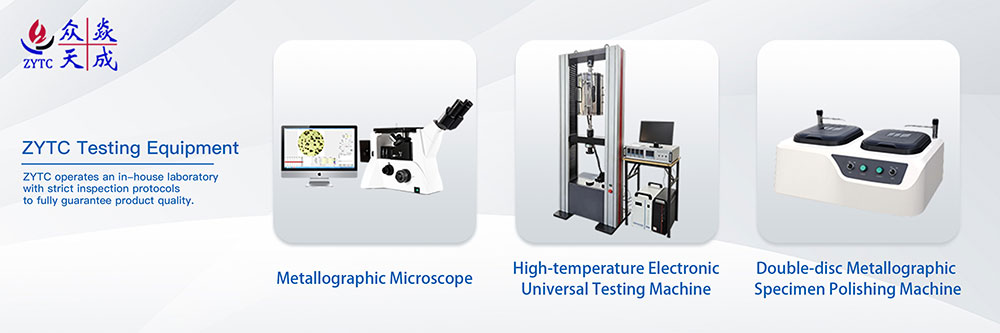
Microstructure — metallurgical microscope examination reviews grain size and confirms the absence of an unacceptable alpha-case layer.
-
Mechanical performance — servo-controlled universal testing and impact verification on sampled lots, so strength and ductility are demonstrated rather than asserted.
-
Traceability — heat number → processing lot → inspection record, kept as a continuous chain so an anomaly can be traced to its origin rather than explained away.
ZYTC Alloy has operated in the specialty alloy supply chain since 1989 and holds dual certification to AS 9120B-2016 and ISO 9001:2015. Our position is straightforward: we stake our reputation on physical evidence, not paper.
What to Put in Your Purchase Order
A short contractual checklist closes most of the gap:
| Requirement | What to Specify |
|---|---|
| Grade and standard | Ti-6Al-4V ELI (Grade 23), ASTM F136 / ISO 5832-3 as applicable |
| Interstitial limits | Explicit O, N, C, H and Fe limits stated on the PO, not left to the certificate |
| Melting route | VAR, with the number of passes and melt record referenced |
| Verification evidence | Batch-specific spectrometer printout and microstructure report supplied with shipment |
| Traceability | Heat number linked to processing lot and inspection record |
| Retained sample | Option to retain a sample from the shipped batch for independent third-party check |
A forged or mismatched certificate will not announce itself. It surfaces later — as accelerated tool wear, a failed biocompatibility test, or a batch that cannot be traced when a customer audit arrives.
The defense is not more paperwork. It is physical, batch-level verification by a supplier who owns the laboratory capability to perform it. When you evaluate a medical titanium supplier in China, ask for the spectrometer printout for your heat number, ask for real microstructure evidence, and ask how the melt route traces back. A supplier with a genuine in-house lab will answer all three without hesitation.
Don't let a paper certificate decide the fate of a medical device project. Partner with a supply chain management company that verifies every batch before it ships.
Contact ZYTC Alloy for Ti-6Al-4V ELI with batch-specific verification data and full traceability.
📧 Email: daisy@zytcsteel.com
📲 Phone / WhatsApp: +86 17335753350
Sourcing Hiperco 50 (UNS R30005): Buyer's Guide to Magnetic Alloys
China Cobalt Alloy Supply Chain Report 2026: How to Choose the Right Supplier
Related Article