UNS R30001 (Alloy 1) Cobalt Alloy: Extreme Wear-Resistant Castings & Hard-Facing RodsCore Advantage: ZYTC Alloy supplies premium UNS R30001 (Alloy 1 / Stellite 1 equivalent) cobalt-chromium-tungsten alloy, engineered for the most severe metal-to-metal wear and high-temperature erosion. Unlike general suppliers, we provide verified metallurgical control, ensuring uniform carbide distribution and a guaranteed hardness of 50-58 HRC for your critical valve seats, pump sleeves, and drilling components.
Engineering for Extreme Environments: Why Choose Alloy 1?When industrial components fail, it's often not due to a lack of strength, but due to severe galling, abrasion, and erosion at elevated temperatures. Alloy 1 (UNS R30001) is the ultimate solution for these aggressive conditions. With high carbon (2.0-3.0%) and tungsten (11.0-13.0%) content, it forms a dense network of hard primary carbides within a tough cobalt-chromium matrix. This unique microstructure allows it to retain exceptional hardness (50-58 HRC) even at operating temperatures exceeding 760°C (1400°F)—making it superior to standard tool steels and nickel alloys in severe wear applications. | Nominal Composition (Weight %) | Alloy 1 Specification |
|---|
| Cobalt (Co) | Base | | Chromium (Cr) | 28.0 - 32.0 | | Tungsten (W) | 11.0 - 13.0 | | Carbon (C) | 2.0 - 3.0 | | Nickel (Ni) | 3.0 max. | | Iron (Fe) | 3.0 max. | | Silicon (Si) | 2.0 max. | | Manganese (Mn) | 1.0 max. | | Molybdenum (Mo) | 1.0 max. |
| Physical Properties | Metric | Imperial |
|---|
| Density | 8.69 g/cm³ | 0.314 lb/in³ | | Melting Range | 1248 - 1290°C | 2278 - 2355°F | | Hardness | 50 - 58 HRC | 550 - 720 HV |
Alloy 1 vs. Stellite 6: The Practical Selection GuideEngineers often default to Stellite 6, but in severe operations, Alloy 1 is the necessary upgrade. Here is how to choose: Choose Alloy 1 when: Your primary challenge is extreme abrasion, severe metal-to-metal sliding, or high-temperature erosion. (Typical: Valve seats in steam or petrochemical services, drill bit stabilizers). Choose Stellite 6 when: You need a better balance of impact toughness and wear resistance, or when the component is subject to heavy shock loads that could crack a harder, more brittle alloy. Pro Tip: If your Stellite 6 components are experiencing rapid wear and frequent replacements, upgrading to Alloy 1 often significantly extends the Mean Time Between Failures (MTBF).
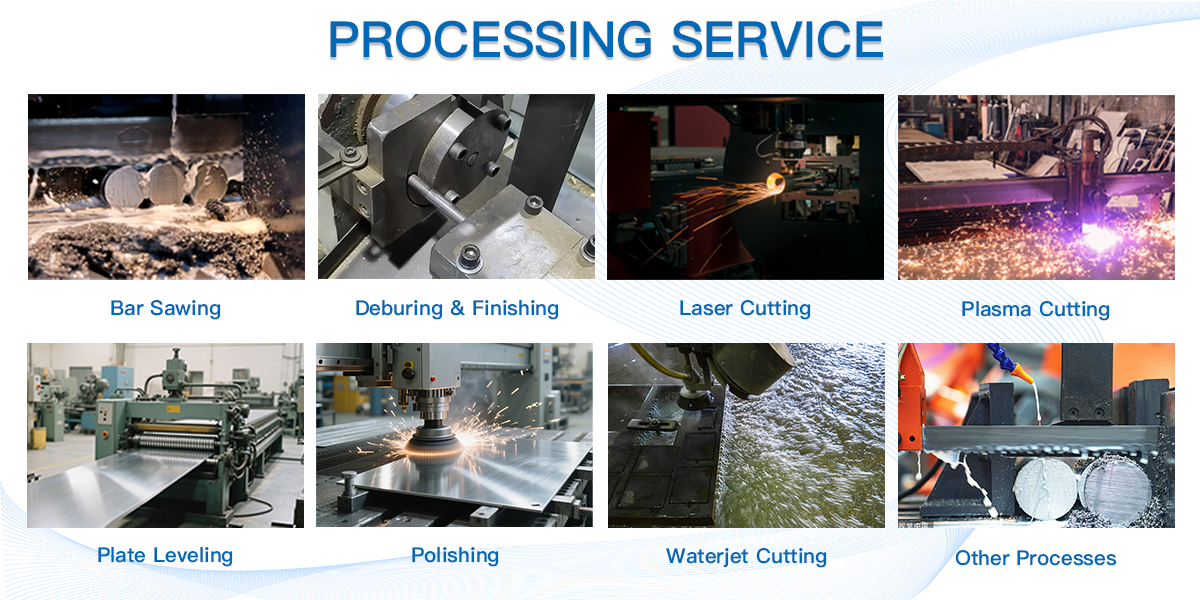
Hard-Facing & Machining Best PracticesWe don't just supply materials; we help you apply them successfully. Hard-Facing Application: Alloy 1 is highly susceptible to thermal cracking. To prevent this, we recommend pre-heating the base metal and maintaining strict interpass temperature control during welding or thermal spraying. Our rods and powders are manufactured for consistent feed and optimal deposit efficiency. Machining: Due to its 50-58 HRC hardness, Alloy 1 cannot be machined with standard HSS tools. It requires grinding with diamond or silicon carbide wheels. When CNC machining is necessary, rigid setups and ceramic/carbide tooling with strict feeds and speeds are mandatory to prevent work hardening.
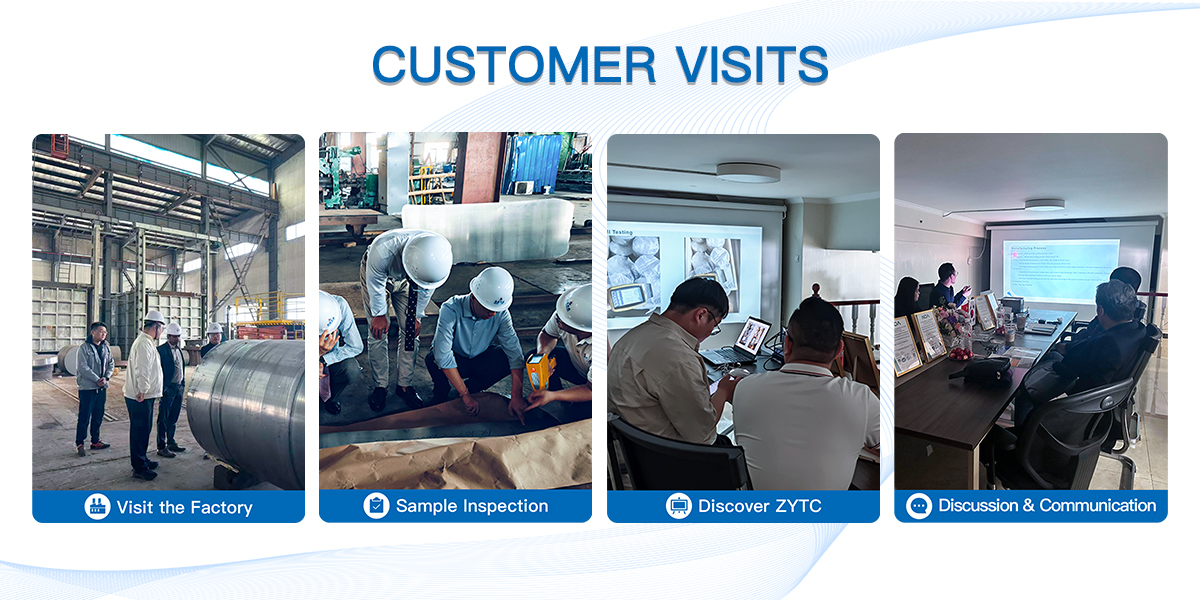
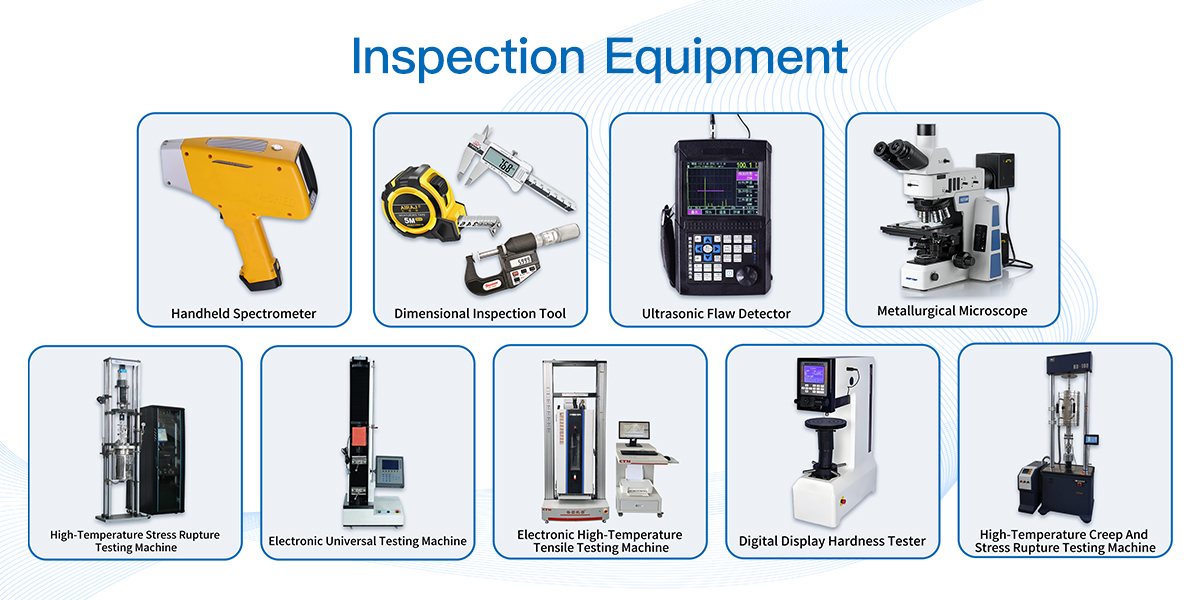
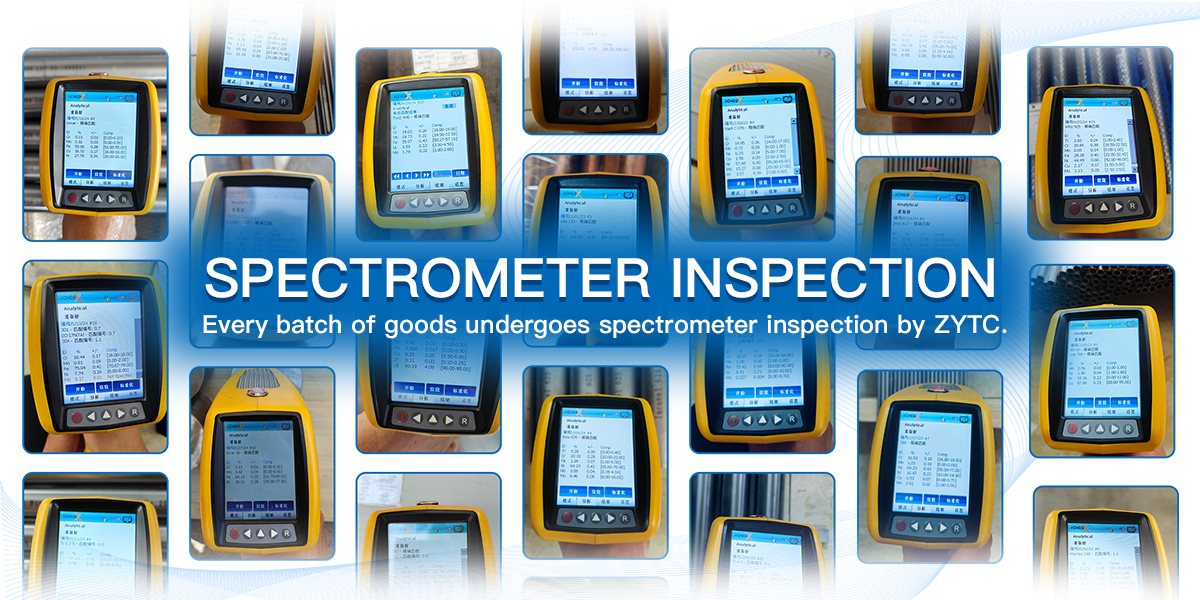
Quality Verification at ZYTC (Our In-House Lab)For wear-resistant alloys, chemistry and microstructure are everything. ZYTC operates a fully equipped in-house laboratory to guarantee your batch's performance: Direct Reading Spectrometer: 100% verification of Co, Cr, W, and C content. Precise carbon control ensures the correct volume fraction of carbides. Hardness Testers: Guaranteeing that every cast or hard-faced component meets the 50-58 HRC specification. Metallurgical Microscope: Inspecting carbide size, morphology, and distribution to prevent segregation and ensure uniform wear resistance across the part.
 |  |  |  |  | Handheld Spectrometer | Microcomputer-Controlled Servo Universal Testing Machine | Metallurgical Microscope with Grain Size Analysis | Brinell Hardness Tester | Computer-Controlled Pendulum Impact Testing Machine |
Technical Specifications| Parameter | Nominal Range | Notes |
|---|
| Material | UNS R30001 (Alloy 1) | Cobalt-Chromium-Tungsten Alloy | | Available Forms | Castings, Hard-Facing Rods, Powder, Preforms | Custom dimensions available | | Hardness | 50 - 58 HRC (550 - 720 HV) | Retains hardness >760°C | | Chemical Composition | Co (Base), Cr (28-32%), W (11-13%), C (2-3%) | Strict control of Ni, Fe, Si | | Standards | AWS A5.21 (ERCoCr-A), MIL-R-17131 | Full traceability and MTR provided |
Critical Industrial ApplicationsValve Industry: High-pressure steam valve seats, stem guides, and cages for petrochemical and nuclear plants. Oil & Gas: Drill bit components, flow restrictors, and erosion-resistant nozzles for downhole tools. Aerospace: Turbine shrouds and wear pads (operating at 800-1000°C). Industrial: Pump plungers, sleeves, and extrusion dies for highly abrasive slurries.
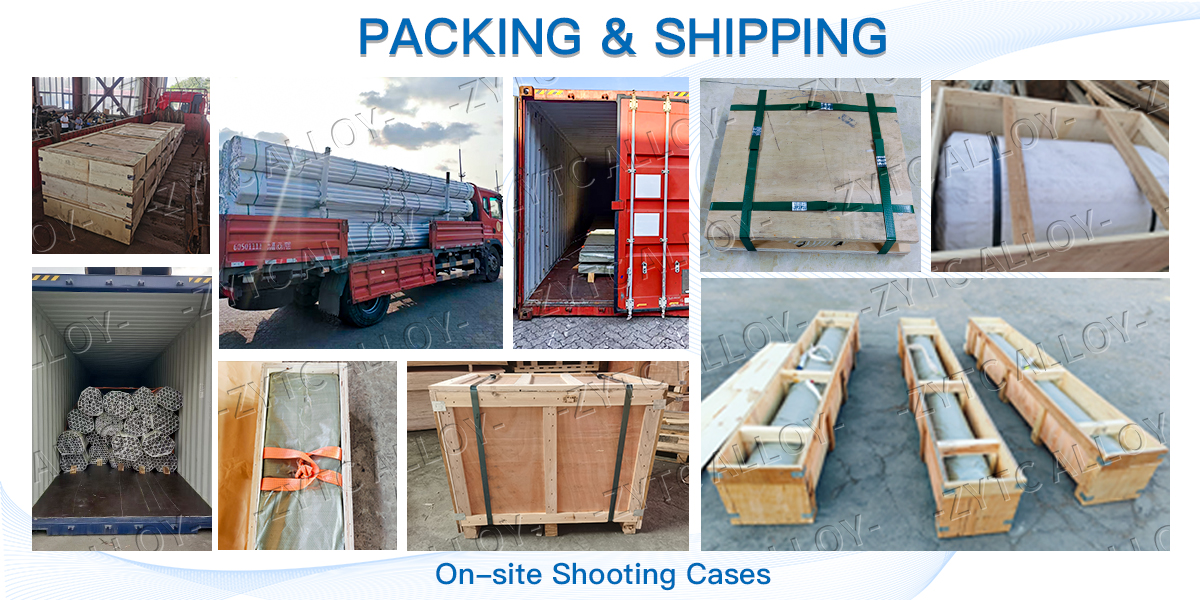
Start Your Custom OrderWhether you need ingots for your foundry or custom-machined wear parts, ZYTC provides full material certification and technical support. To request a quote, please provide: Required form (Casting, Rod, Powder). Dimensions or drawings. Required hardness or specific application parameters. Quantity.
📧Email: daisy@zytcsteel.com
📱WhatsApp/WeChat: +86 17335753350 |