AMS 5843 / MP159 (UNS R30159) Cold Drawn & Aged Bar
What AMS 5843 Covers — And What It Doesn'tAMS 5843 covers MP159 (UNS R30159), a high-strength, corrosion- and heat-resistant cobalt-nickel-chromium alloy, supplied as bar in nominal diameters of 1-3/4 inches (44.45 mm) and under. If your design calls for a larger section, the specification does not apply — plan for an alternative grade or a different product form. These bars are typically used in applications requiring the combination of high strength (up to 1100°F / 593°C), good tension-tension fatigue strength, toughness, and ductility, though applications are not limited to these. The alloy offers excellent resistance to corrosion, crevice corrosion, stress-corrosion cracking, and high-temperature relaxation — the last property being particularly relevant for bolted joints that must hold preload after years of thermal cycling.
Composition
Minimum room temperature tensile properties
Minimum elevated temperature tensile properties
Why MP159 Exists (And When It's the Wrong Choice)MP159 is a cobalt-nickel-chromium multiphase alloy developed as a fastener material for turbine engines and high-performance motors operating at temperatures where MP35N reaches its ceiling. Through cold work plus aging, it achieves ultimate tensile strength exceeding 265 ksi (1830 MPa) — among the highest of any commercially available superalloy — while retaining enough ductility for bolted joints and enough corrosion resistance for sour gas and seawater service. MP159 is the right choice when:
MP159 is probably overkill when:
The Three AMS Conditions — And Why They Matter for Your Purchase OrderThis page describes AMS 5843: solution heat treated, cold drawn, and aged. The same alloy may be quoted under AMS 5841 or AMS 5842, and the difference determines what you can do with the bar.
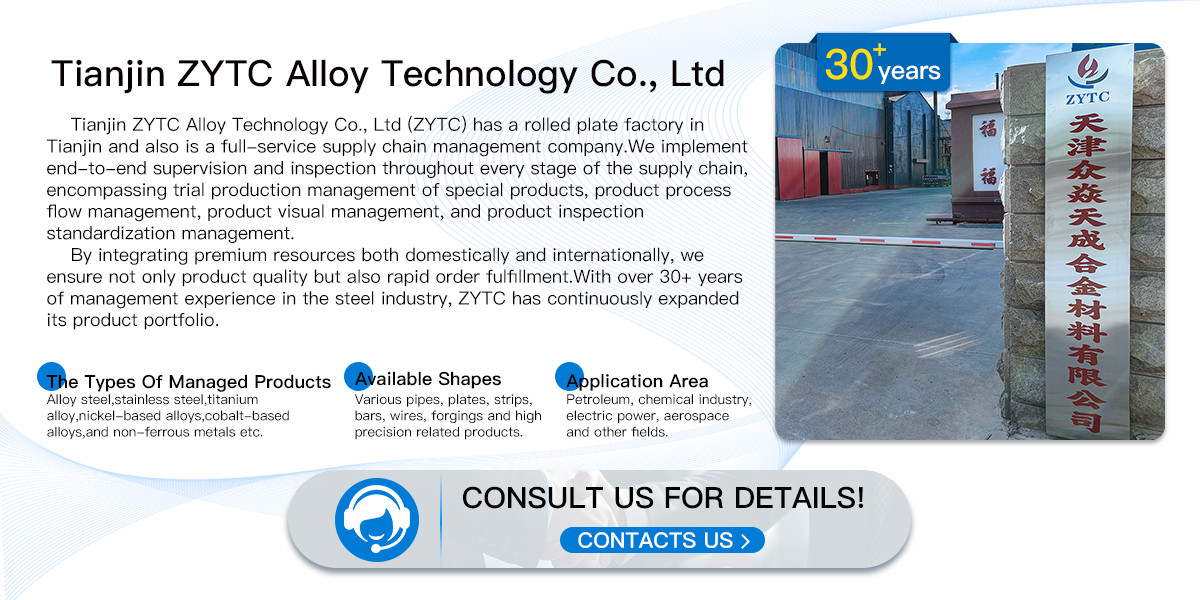
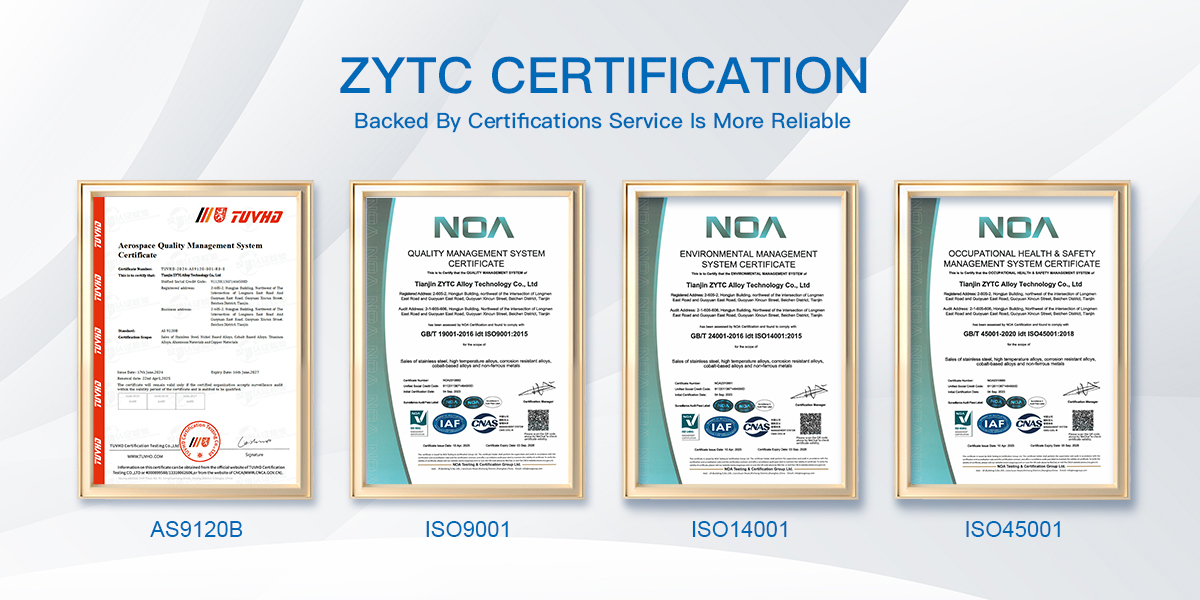
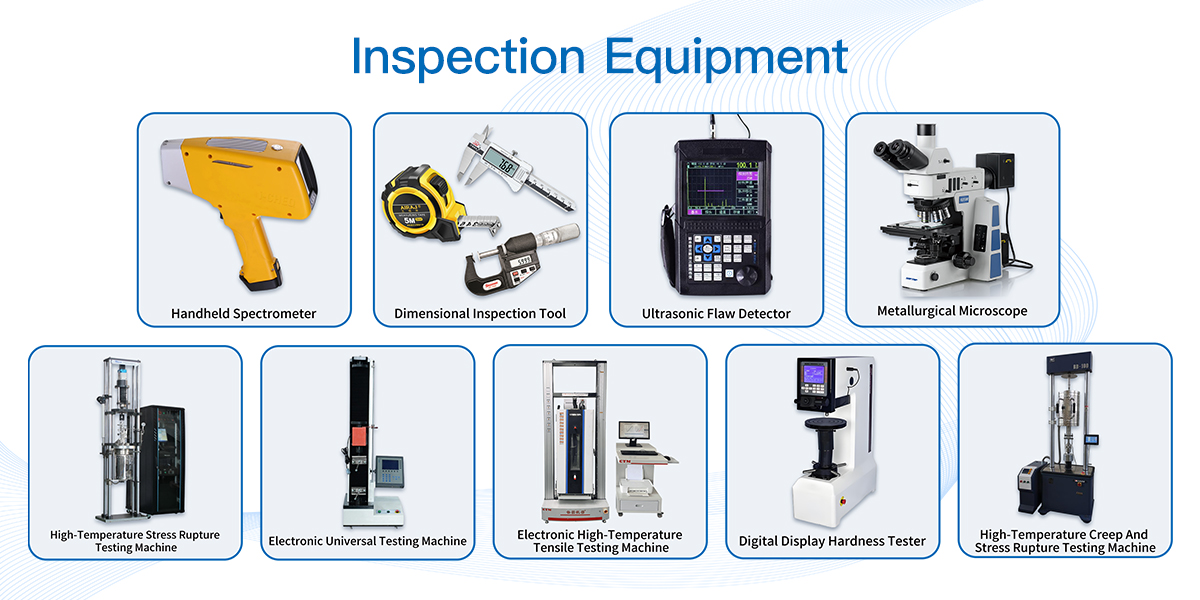
Procurement note: If you order"MP159 bar"without specifying the AMS suffix, you may receive AMS 5841 (soft) and assume it's defective when it fails a hardness check. State the condition explicitly on the PO. ZYTC ships AMS 5843 by default unless you specify otherwise. Heat Treatment: What the Specification Actually RequiresThe mechanical properties of AMS 5843 are not inherent to the chemistry — they are the product of a two-stage thermal cycle that must be followed precisely. Both stages are covered below as written in the specification. Stage 1 — Solution heat treatment. Bars shall be solution heat treated by heating to a temperature in the range 1900 to 1925°F (1038 to 1052°C), holding at the selected temperature within ±25°F (±14°C), for 4 to 8 hours, then water quenched. Temperature measurement shall conform to AMS 2750. Stage 2 — Aging after cold drawing. After cold drawing, bars shall be aged by heating to a temperature in the range 1200 to 1250°F (649 to 677°C), holding at the selected temperature within ±25°F (±14°C), for not less than 4 hours, then cooling at a rate equivalent to air cool or faster (see 8.2). Temperature measurement shall conform to AMS 2750. What this means in practice: The 4–8 hour solution hold is longer than many shops assume — a 1-hour hold at temperature will not dissolve the secondary phases that later drive the aging response. Similarly, the aging hold is a minimum, not a target; under-aging leaves strength on the table, while over-aging beyond the window risks ductility loss. If your heat treater proposes a shortened cycle"to save furnace time,"ask for the basis before accepting. What the Spec Sheet Doesn't Tell You: Processing RealitiesMachining AMS 5843 is not like machining annealed 718. At HRC ≥44, carbide tooling is mandatory, and the material work-hardens readily. Do not let the tool rub. A dull edge will generate a hardened surface layer that destroys the next pass. If you're accustomed to machining annealed nickel alloys, reduce speeds and increase rigidity before the first cut. Rough machine before aging if you control the thermal cycle. When you purchase AMS 5843, aging is already done and residual stress from cold drawing has been partly relieved. But if you machine a near-net shape and then perform any additional thermal exposure, expect dimensional movement. For tight-tolerance parts, rough machine — stress relieve — finish machine. Cold drawing reduction matters more than the spec implies. The cold reduction that develops MP159's strength also introduces residual stress. If you form fasteners from AMS 5842 (unaged) and then age, the age cycle itself can cause slight dimensional change — account for this in your thread-rolling or heading allowance. Welding is possible but defeats the purpose. MP159 is weldable by GTAW, but the weld zone will not recover the parent-metal strength through post-weld aging alone. For a 265 ksi joint, design for mechanical fastening or consider a different alloy. Where AMS 5843 Bar Is Actually SpecifiedAerospace fasteners: Bolts, studs, and nuts for jet engine hot sections and landing gear hardware. The combination of 265 ksi tensile and 8% elongation allows smaller fastener cross-sections than 718 or A286 at equivalent load. Note the 1-3/4 inch diameter limit — larger fasteners fall outside AMS 5843 scope. Oil & gas completion tools: Downhole components requiring NACE MR0175/ISO 15156 compliance for H₂S service. MP159's resistance to sulfide stress cracking makes it a candidate for valve stems, packers, and high-pressure wellhead hardware. Marine subsea hardware: Connectors and ROV components where seawater corrosion resistance and non-magnetic behavior (magnetic permeability ~1.0) are both required. Medical: Prosthetic devices and orthopedic implants where ASTM F562 compliance is specified. Medical-grade MP159 requires additional certification beyond AMS 5843 — confirm with your supplier before assuming equivalence. Not typically specified for: Structural airframe components (where 300M or titanium dominate), general industrial springs (where 17-7 PH or Elgiloy offer adequate performance at lower cost), or any section thicker than 1-3/4 inches (outside AMS 5843 scope). Why ZYTC for AMS 5843 Bar
Request a QuotePlease specify: AMS condition (5841/5842/5843), diameter (≤1-3/4 in for 5843), quantity, length, and any NACE or ASTM F562 requirements. 📧 daisy@zytcsteel.com | |||||||||||||||||||||||||||||||||||||||||||||||||||||||||||||||||||||||||||||||||||||||||