Duplex 2507 / UNS S32750 / 1.4410 / F53
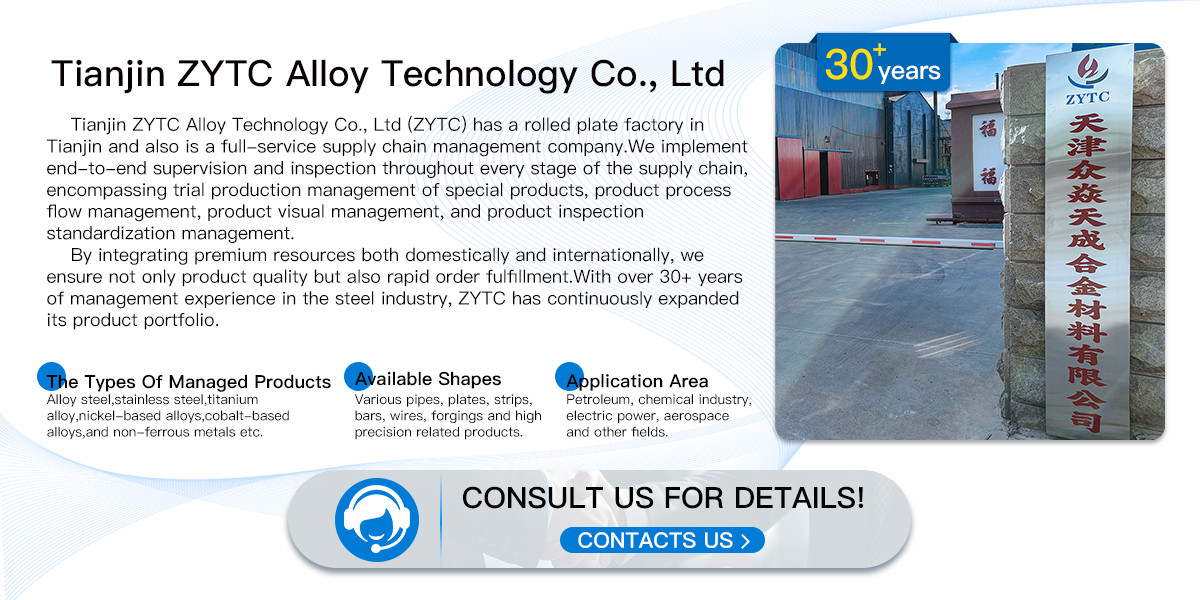
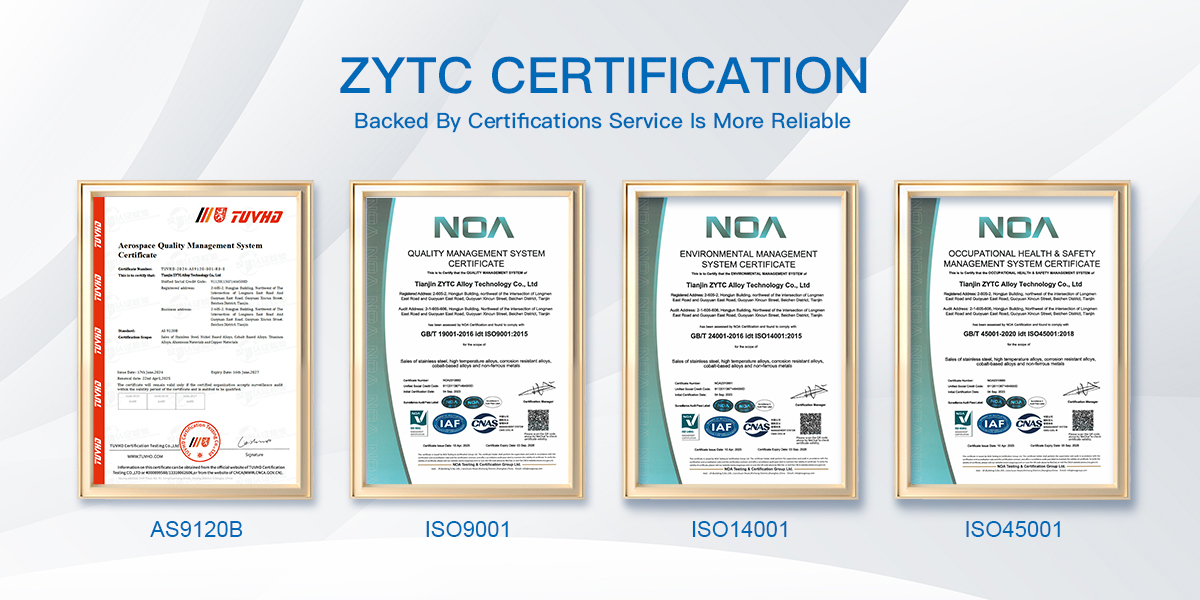
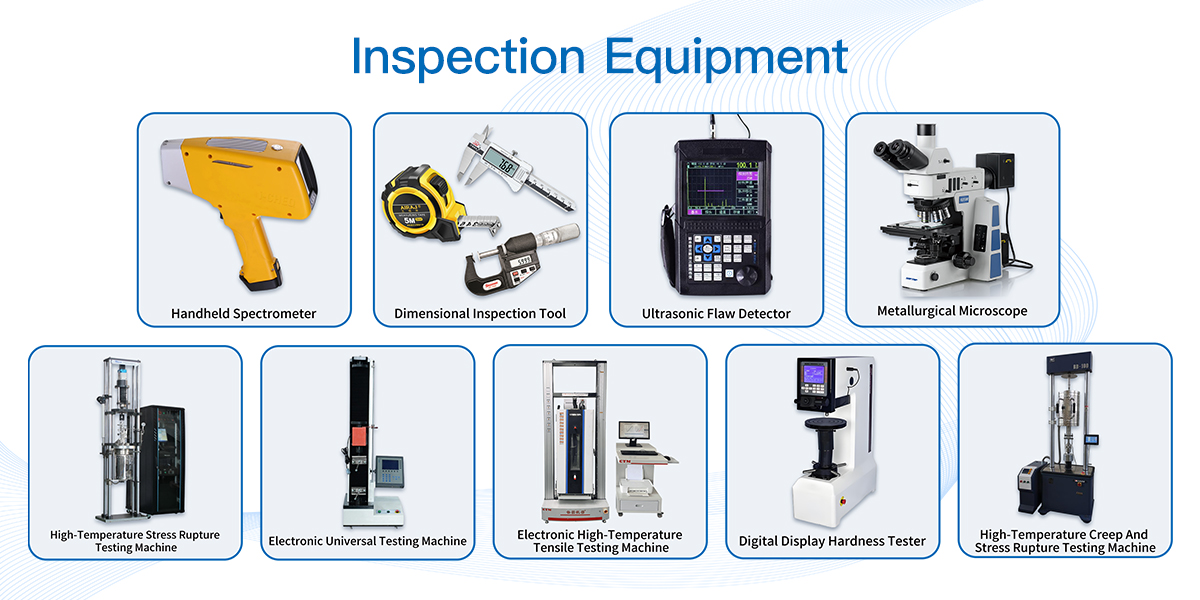
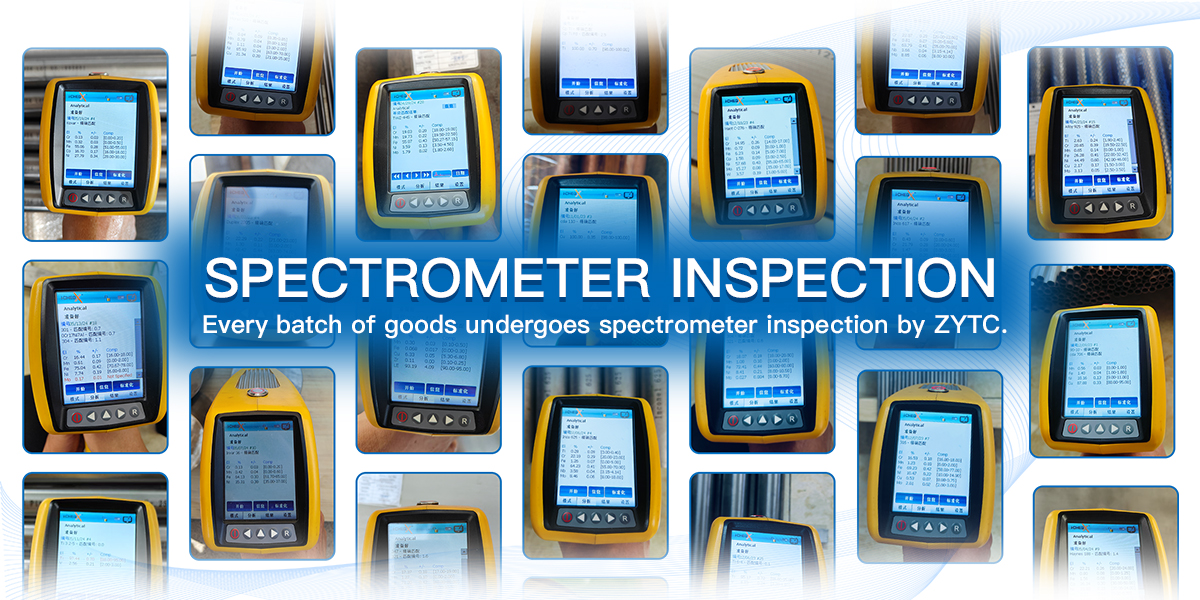
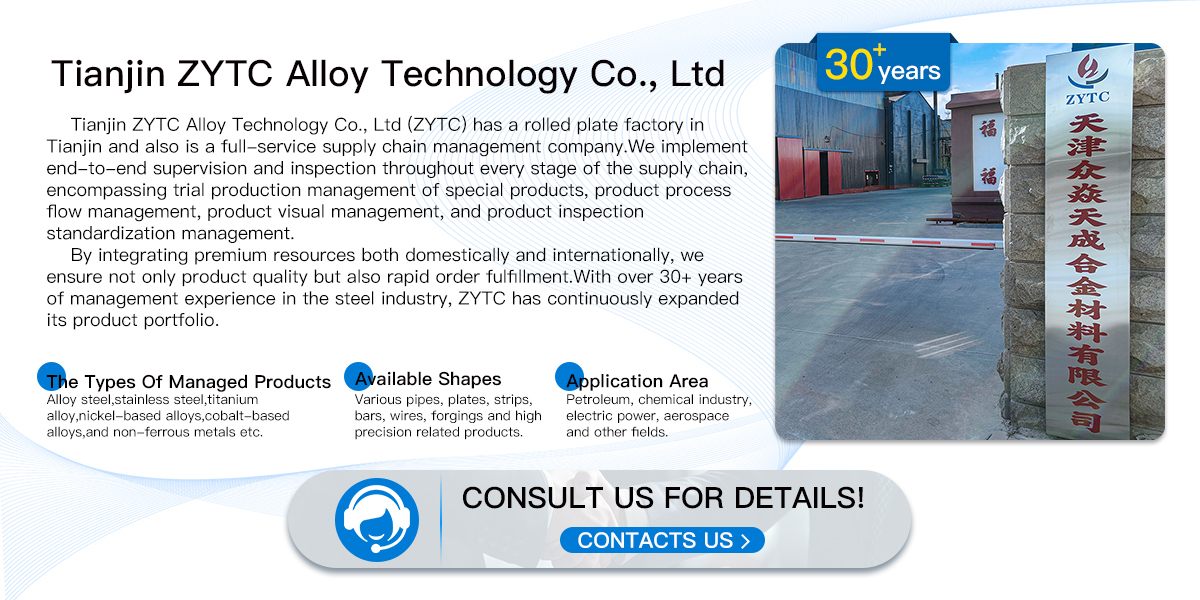
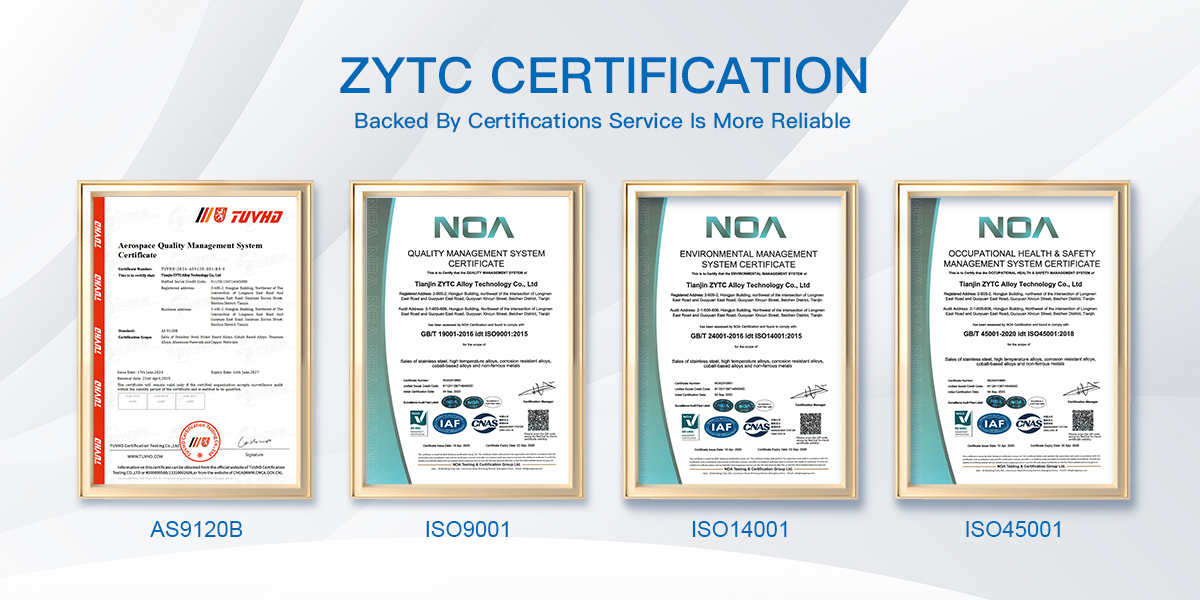
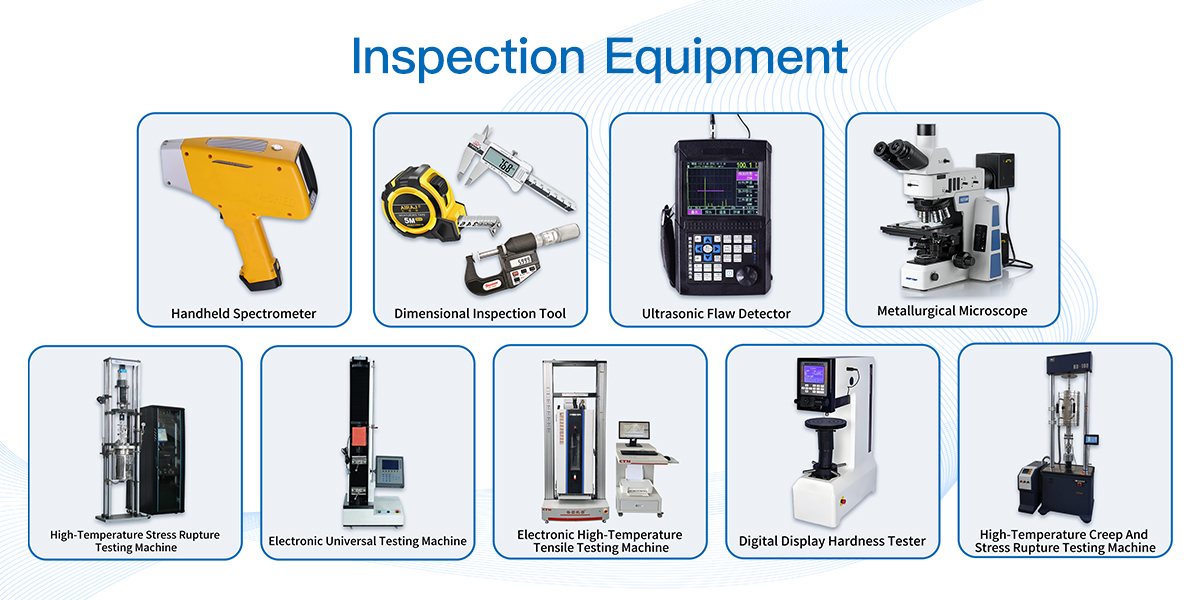
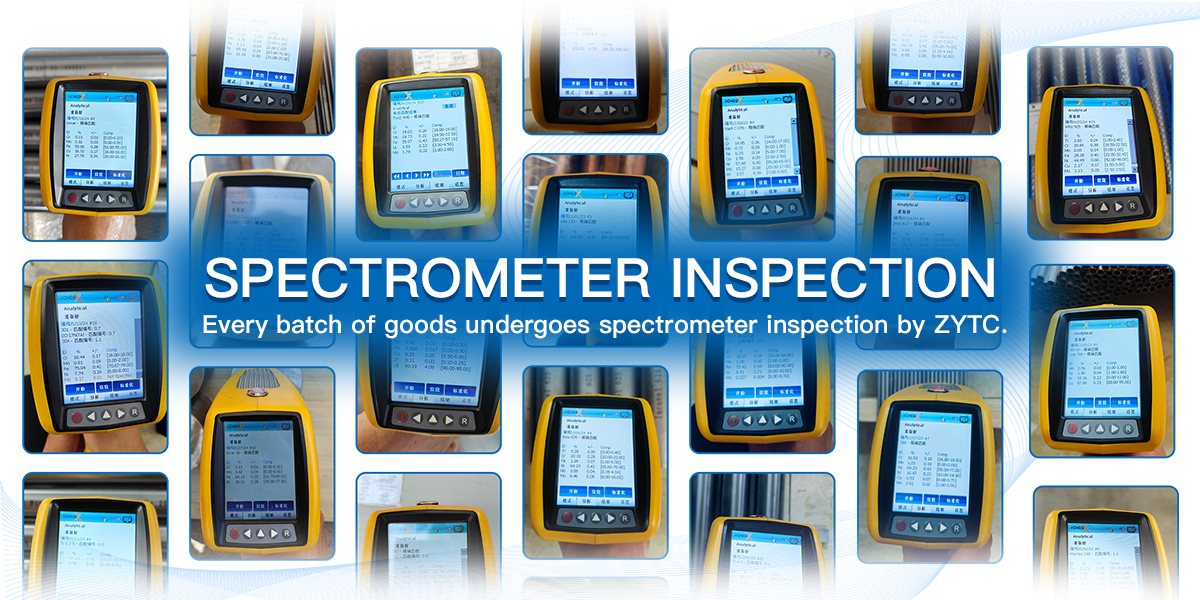
Duplex 2507 / UNS S32750 / 1.4410 Super Duplex Stainless Steel — Phase Balance & Thermal History Are the Real Procurement VariablesFor oil & gas, desalination, and chemical equipment design engineers and buyers — supplied by ZYTC Alloy, ISO 9001 certified manufacturer and exporter Chemistry Compliance Does Not Equal Material ComplianceSuper Duplex 2507 (UNS S32750 / 1.4410 / F53) has a PREN above 40 and a yield strength of ≥550 MPa — more than twice that of 316L. These numbers appear on every supplier page, but the fact most often overlooked in procurement is this: 2507's properties come from a roughly 50/50 ferrite-austenite duplex microstructure, not from the chemistry itself. Chemistry only sets the possibility. Thermal history — solution treatment temperature and cooling rate, weld heat input, and any subsequent thermal exposure — determines whether the final phase balance approaches the design value. When the phase balance deviates, corrosion resistance and toughness drop together, while the certificate still says"conforms to UNS S32750." The two variables below are what actually need to go onto the PO. Variable 1: Sigma Phase Is Not a Theoretical Risk — It Causes Brittle Fracture in Grinding and in ServiceSigma phase is a chromium-molybdenum-rich intermetallic that precipitates in the 600–950°C range. It is hard and brittle; even a small amount significantly reduces toughness and corrosion resistance. This is not a laboratory hypothesis. Analysis of brittle fracture during slab conditioning of 2507 showed sigma phase area fraction of 24.5% in the fractured sample — the direct cause of failure. A failure analysis of a 2507 piston rod further concluded brittle fracture occurred in the heat-affected zone near the parent metal, caused by improper heat treatment leading to extensive sigma precipitation; the corrective action was raising the solution temperature to 1050–1150°C with accelerated cooling. What this means for procurement: Solution treatment of 2507 is not"heat to temperature, then cool"— temperature and cooling rate must both be controlled. Water quenching is a requirement, not an option. If your supplier air-cools or slow-cools, or if you are buying thick plate or large-section forgings, the core cooling rate may be insufficient to suppress sigma precipitation. Procurement action: Require the supplier to provide the solution treatment record (temperature, holding time, cooling method). For plate above roughly 25 mm or large-section forgings, require a metallographic report from mid-thickness or near-surface, confirming no continuous sigma precipitation. Do not accept a certificate stating only"conforms to UNS S32750." Variable 2: Weld Heat Input Affects 2507 More Than 2205Welding 2507 requires heat input control, but the objective is not"avoid cracking"— it is maintaining phase balance in the weld and heat-affected zone. Research on TIG welding of 2507 thin sheet showed that when heat input increased from 110 J/mm to 156 J/mm, ferrite grain size in the weld grew from 90 μm to 200 μm, nitrogen content dropped from 0.25% to 0.21%, and weld austenite content fell from 28.9% to 24.3%. Insufficient austenite means both corrosion resistance and toughness are compromised. For thick-plate welding the challenge is greater. Research on electron-beam welding of thick 2507 plate noted that nitrogen loss cannot be fully avoided, and high-nickel filler (such as S Ni 6059 or NiCr23Mo16) is needed to promote austenite formation and maintain phase balance. Procurement action: If the tube or component will be welded downstream, require the supplier to provide the welding procedure specification and qualification (WPS/PQR) and confirm three points: heat input range (≤1.5 kJ/mm recommended), interpass temperature limit (≤100°C recommended for 2507), and filler metal type (matching 2507 or high-nickel filler). Do not accept a general statement that"2507 is weldable." A Service Temperature Boundary That Gets OverlookedThe original page stated"-50°C to 300°C."The long-term service ceiling for duplex stainless steels is generally recommended at below 250°C, due to 475°C embrittlement and the long-term risk of sigma precipitation. A short excursion to 300°C may be acceptable, but continuous long-term service in the 250–300°C range requires separate assessment — it should not be treated as"within range"by default. Procurement action: If the design temperature approaches or exceeds 250°C, state this in the inquiry. We will factor this boundary into the suitability confirmation rather than simply replying"conforms to standard." Technical DataChemical Composition (UNS S32750)
Physical Properties
Mechanical Properties (Minimum)
Specifications & Supply Forms
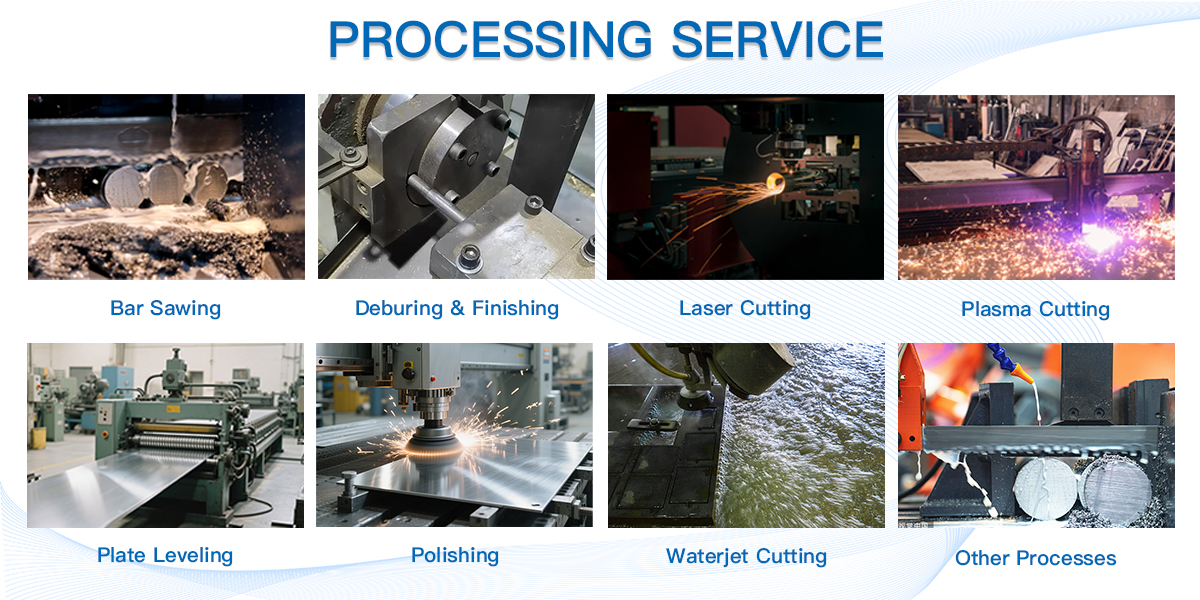
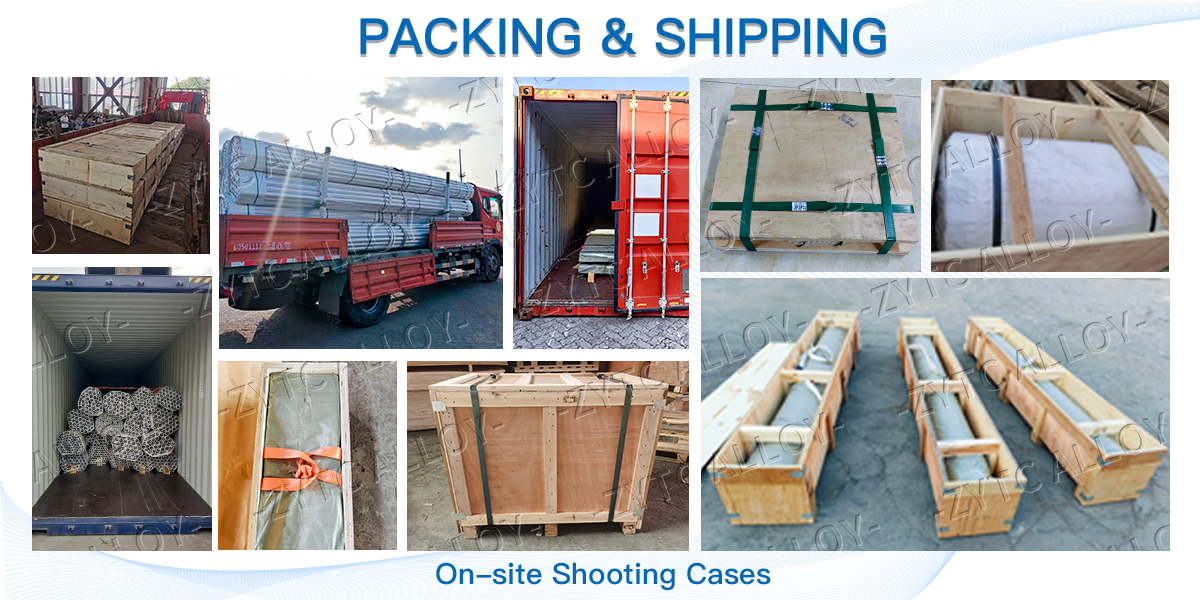
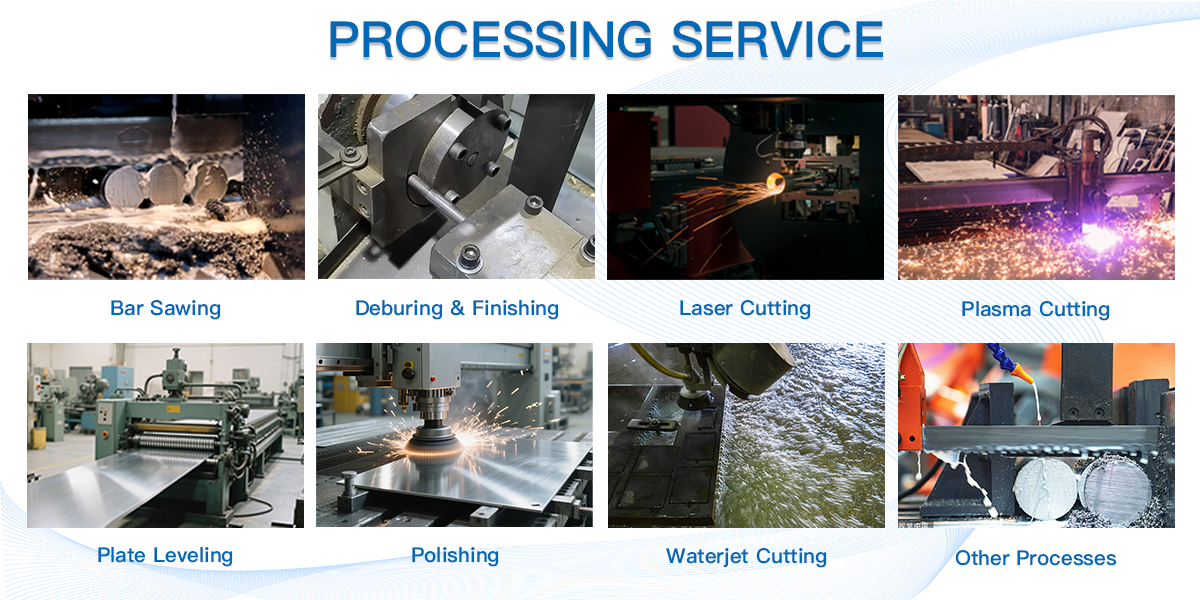
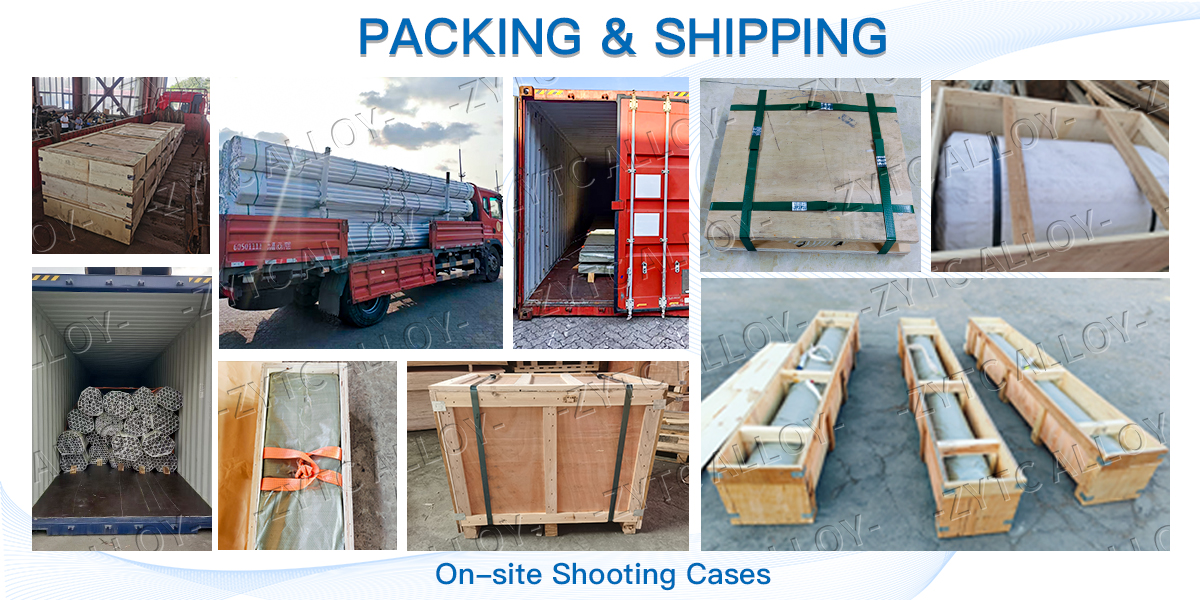
Heat treatment note: Solution anneal at 1025–1125°C, water quench. Rapid cooling is essential to maintain phase balance and prevent sigma formation. This is a controlled process step — not a generic"heat and cool." Supply InformationZYTC Alloy supplies Super Duplex 2507 plate, bar, pipe, and forgings in the solution-annealed condition. Solution treatment records available; mid-thickness metallographic verification can be arranged for thick plate. Please provide in your inquiry: form (plate / bar / pipe / forging), size, quantity, whether downstream welding is involved,design temperature, and whether a solution treatment record or mid-thickness metallographic report is required. 📧 daisy@zytcsteel.com |