ASTM F1537 Alloy 1 is a low-carbon wrought cobalt-chromium-molybdenum alloy offering superior strength, ductility, wear resistance, and biocompatibility compared to cast alternatives. With a nominal composition of 26-30% chromium and 5-7% molybdenum, this alloy delivers high mechanical strength (UTS ≥1192 MPa) and fatigue life essential for load-bearing orthopedic implants. It is the preferred material for hip and knee replacements, spinal implants, and fracture fixation devices .
1. Product Specifications & Physical DataZYTC Alloy supplies ASTM F1537 (UNS R31537) in wrought forms for medical implant manufacturing requiring verified mechanical properties and complete traceability. Available Forms: Round bar stock (2.00mm - 110.00mm diameter) . Specifications: ASTM F1537, ISO 5832-12, UNS R31537 .
| Chemical Composition (Weight %) | ASTM F1537 / ISO 5832-12 Specification |
|---|
| Cobalt (Co) | Balance | | Chromium (Cr) | 26.0 - 30.0 | | Molybdenum (Mo) | 5.0 - 7.0 | | Carbon (C) | 0.14 max. | | Silicon (Si) | 1.0 max. | | Manganese (Mn) | 1.0 max. | | Nickel (Ni) | 1.0 max. | | Iron (Fe) | 0.75 max. | | Nitrogen (N) | 0.25 max. |
| Mechanical Properties (ISO 5832-12) | Metric | Imperial |
|---|
| Tensile Strength (min.) | 1192 MPa | 173 ksi | | Yield Strength (min., 0.2% offset) | 827 MPa | 120 ksi | | Elongation (min., 4D) | 12% | 12% | | Hardness (min.) | 40 HRC | 40 HRC |
2. Operating Conditions & Selection CriteriaASTM F1537 is specified when designers require a wrought cobalt alloy with superior mechanical properties and fatigue life for load-bearing medical implants. Service Environment: Optimized for long-term implantation in physiological environments; excellent corrosion resistance to body fluids . Wrought Structure: Forged or rolled microstructure provides enhanced strength, ductility, and fatigue resistance compared to cast ASTM F75 . Biocompatibility: ISO 5832-12 approved for surgical implants; excellent tissue compatibility and corrosion resistance . Fatigue Life: High fatigue strength essential for components subject to cyclic loading in joint replacements . Mechanical Strength: Greater strength than titanium alloys for load-bearing applications requiring high modulus .
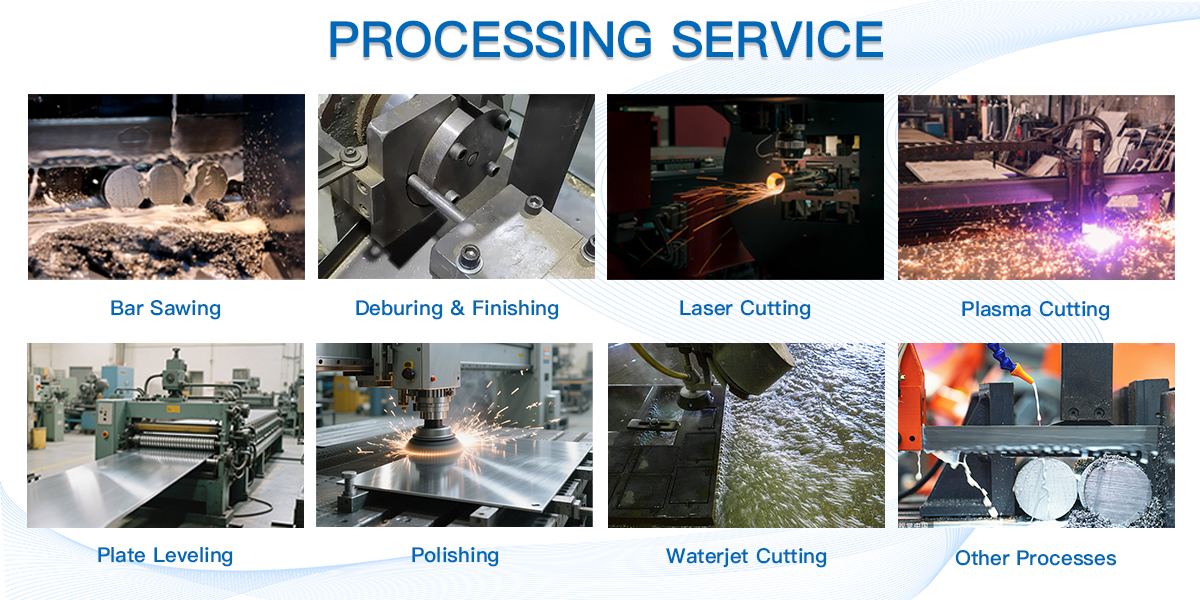
3. Fabrication & Material ComparisonForming: Wrought product form enables forging, rolling, and machining to final implant geometry . Machining: Can be machined with carbide tooling; requires rigid setups and adequate coolant due to work-hardening characteristics . Heat Treatment: Solution annealing and aging optimize mechanical properties per ASTM F1537 requirements . Material Comparison: vs. ASTM F75 (Cast): Superior strength, ductility, and fatigue life due to wrought microstructure; preferred for high-stress applications . vs. Ti-6Al-4V (ASTM F136): Higher strength and wear resistance; higher modulus; selected for bearing surfaces and high-load applications . vs. 316L Stainless (ASTM F138): Superior corrosion resistance, biocompatibility, and mechanical properties; standard for premium implants . vs. MP35N: Similar application space; F1537 optimized specifically for orthopedic implants with tighter composition control .
4. ApplicationsOrthopedic Implants: Hip replacement stems, femoral heads, acetabular components Knee Replacements: Femoral components, tibial trays, patellar components Spinal Implants: Rods, cages, disc replacement components Shoulder Implants: Humeral heads, glenoid components Fracture Fixation: Bone plates, screws, intramedullary nails Watch Industry: High-hardness cases and components requiring wear resistance
Contact ZYTC Alloy for certified ASTM F1537 materials with complete traceability, ISO 5832-12 specifications, technical datasheets, and competitive pricing on standard bar sizes. Email: daisy@zytcsteel.com WhatsApp/WeChat: +86 17335753350 |