ISO 5832-12 specifies the requirements for two wrought cobalt‑28‑chromium‑6‑molybdenum alloys used for the manufacture of surgical implants. The properties defined in this standard apply specifically to wrought bar, rod, and wire—forms that are critical for producing a wide range of orthopaedic and spinal implants, instruments, and components where high strength, excellent wear resistance, and proven biocompatibility are essential.
Specifications & Material GradesThe standard covers two grades of wrought CoCrMo alloy, which differ primarily in their carbon and nitrogen content. These variations allow the material to be tailored for specific implant applications, balancing strength, ductility, and fatigue resistance. Applicable Forms: Wrought bar, rod, wire Common UNS Designations: R31537, R31538 Related Standards: ASTM F1537, ISO 5832-4 (cast alloy)
| Grade | Carbon Content | Nitrogen Content | Primary Characteristics |
|---|
| Grade 1 (Low C) | ≤ 0.050% | ≤ 0.10% | Enhanced ductility and toughness; suitable for applications requiring moderate strength with good forming characteristics | | Grade 2 (High C) | 0.14 - 0.25% | ≤ 0.10% | Higher strength and wear resistance due to increased carbide formation; preferred for load‑bearing, high‑stress implants |
Chemical Composition Requirements (Weight %)| Element | Grade 1 (Low Carbon) | Grade 2 (High Carbon) |
|---|
| Cobalt (Co) | Balance | Balance | | Chromium (Cr) | 26.0 - 30.0 | 26.0 - 30.0 | | Molybdenum (Mo) | 5.0 - 7.0 | 5.0 - 7.0 | | Nickel (Ni) | 1.0 max. | 1.0 max. | | Iron (Fe) | 0.75 max. | 0.75 max. | | Carbon (C) | 0.050 max. | 0.14 - 0.25 | | Silicon (Si) | 1.0 max. | 1.0 max. | | Manganese (Mn) | 1.0 max. | 1.0 max. | | Nitrogen (N) | 0.10 max. | 0.10 max. |
Mechanical Properties (Minimum Requirements)| Property | Grade 1 (Low Carbon) | Grade 2 (High Carbon) |
|---|
| Tensile Strength, Rm (MPa) | 1192 | 1192 | | 0.2% Yield Strength, Rp0.2 (MPa) | 827 | 827 | | Elongation, A (%) | 12 | 12 | | Hardness (HRC) | 40 | 40 |
Note: The higher carbon content of Grade 2 allows the alloy to achieve superior wear resistance under demanding load‑bearing conditions, while Grade 1 offers somewhat better ductility for forming and impact‑resistant applications.
Metallurgical Structure & Strengthening MechanismThe wrought CoCrMo alloys described in ISO 5832-12 possess a fine, homogeneous microstructure that is free of significant casting defects. The manufacturing process typically includes: Melting: Vacuum induction melting (VIM) followed by vacuum arc remelting (VAR) or electroslag remelting (ESR) ensures a clean, inclusion‑free material. Hot Working: Forging, rolling, or extruding at elevated temperatures refines the grain structure and breaks up any residual carbides. Heat Treatment: A controlled annealing or solution treatment followed by rapid cooling (water quenching) is applied to achieve the desired balance of strength, ductility, and carbide distribution.
The high chromium content (26‑30%) provides excellent corrosion resistance in physiological environments, while the molybdenum (5‑7%) contributes to pitting and crevice corrosion resistance. Chromium‑rich carbides (M₂₃C₆) form in the matrix, giving the alloy its outstanding wear resistance—a critical property for articulating implant surfaces such as femoral heads, tibial trays, and spinal rods.
Biocompatibility & Clinical HistoryCobalt‑chromium‑molybdenum alloys have been successfully used in human implants for decades. Their excellent biocompatibility, combined with superior mechanical properties and corrosion resistance, has made them the material of choice for many load‑bearing orthopaedic applications. Long‑term clinical studies confirm an acceptable biological response, with no evidence of adverse tissue reactions when properly manufactured and finished.
Applications in Surgical Implants| Implant Type | Typical Applications | Preferred Grade |
|---|
| Hip Implants | Femoral stems, femoral heads | Grade 2 (wear‑resistant) | | Knee Implants | Femoral components, tibial trays | Grade 2 | | Spinal Implants | Spinal rods, screws, hooks | Grade 1 or 2 (depending on design) | | Trauma Devices | Bone plates, intramedullary nails | Grade 1 (more ductile) | | Small Joints | Shoulder, elbow, ankle components | Grade 2 | | Instruments | Surgical cutting tools, drivers | Grade 2 (high hardness) |
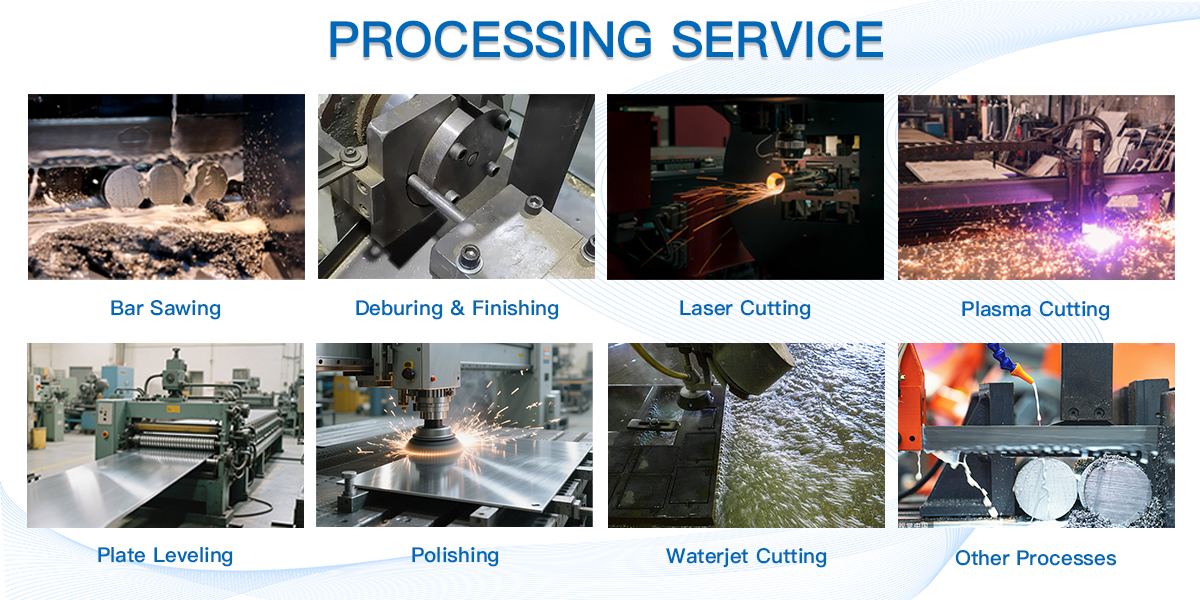
Fabrication & Secondary ProcessingMachining: CoCrMo alloys are difficult to machine due to their high hardness and work‑hardening rate. Use carbide or ceramic tooling with rigid setups, positive rake angles, and generous coolant flow. Grinding & Polishing: The material can be ground and polished to a mirror finish, essential for bearing surfaces. Diamond abrasives are typically used for final finishing. Surface Finishing: Electropolishing improves corrosion resistance and reduces surface defects. Welding: Not recommended for load‑bearing implant components; when necessary, use matching filler metal and strictly control heat input to avoid carbide precipitation and cracking.
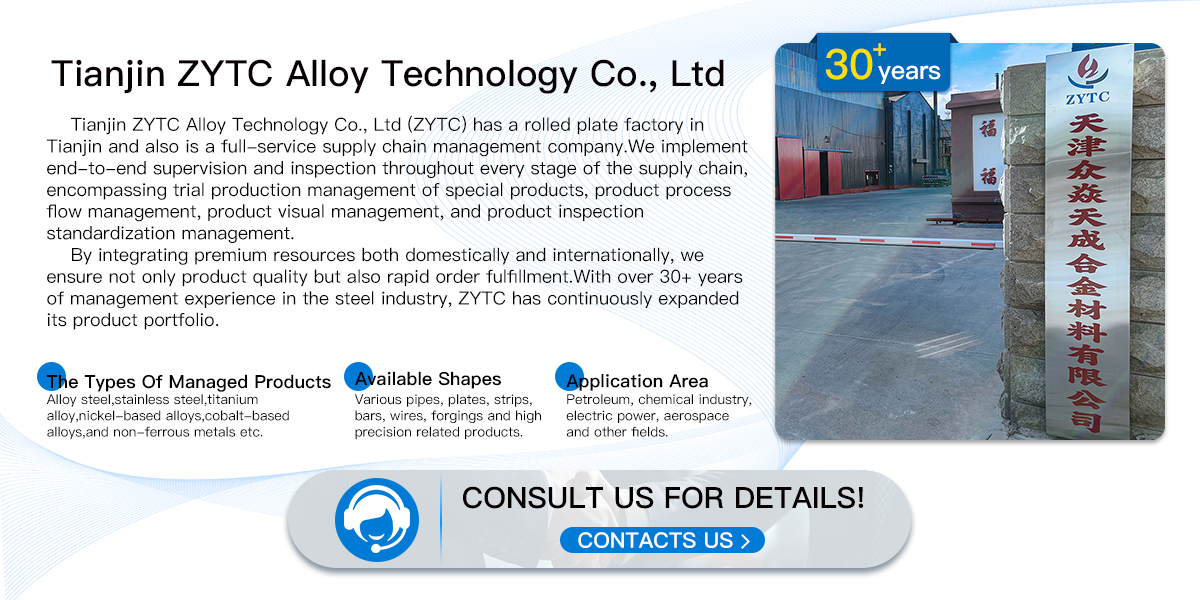
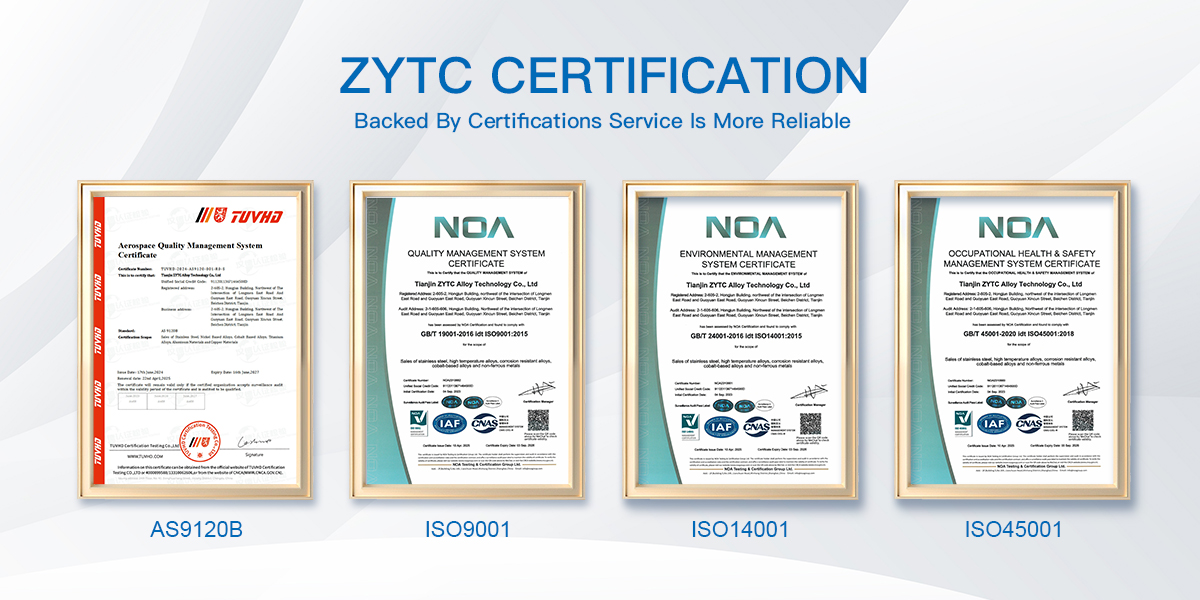
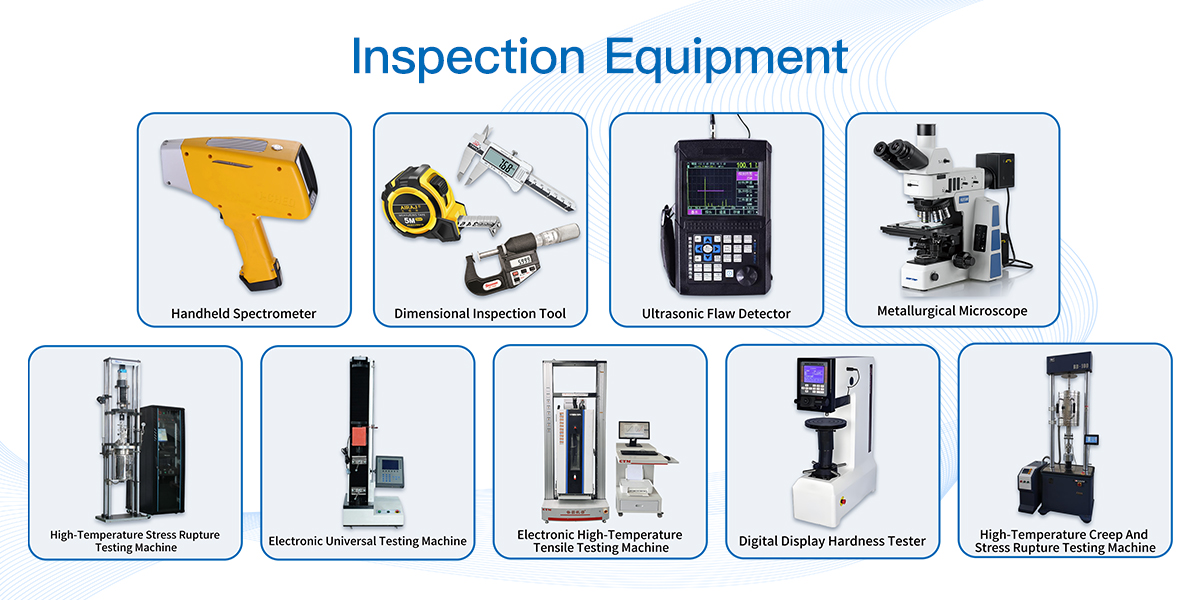
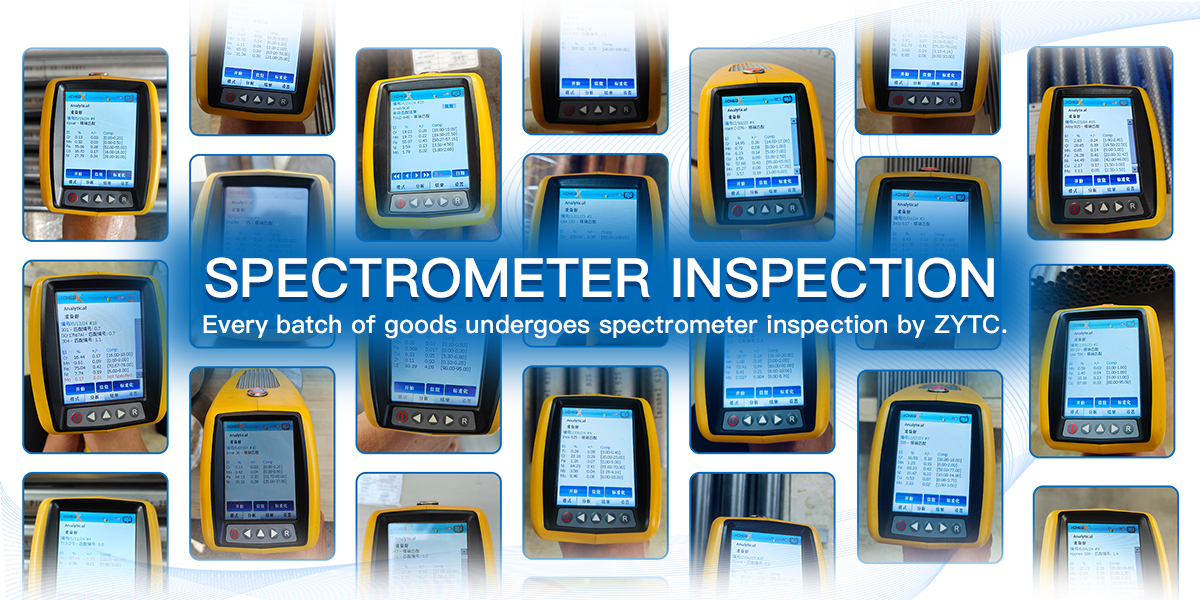
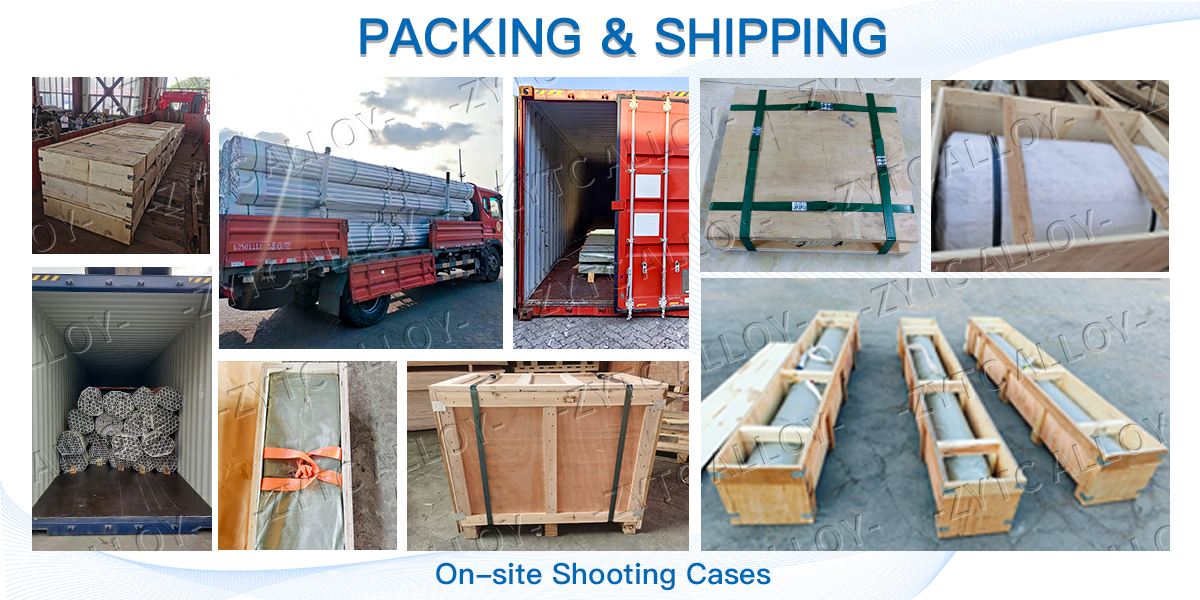
Why Choose ZYTC Alloy for ISO 5832-12 CoCrMo Materials?ZYTC Alloy is a leading AS9120B and ISO 9001 dual‑certified metal supplier and manufacturer based in China. We specialize in high‑performance cobalt alloys, nickel alloys, and stainless steels for surgical implant applications. Our Advantages: ✅ AS9120B and ISO 9001 certified – rigorous quality management ✅ Full material traceability from melt to finished product ✅ EN 10204 3.1 / 3.2 inspection certificates ✅ Double‑melted (VIM+VAR or VIM+ESR) for superior cleanliness ✅ Bar, rod, and wire available in both Grade 1 and Grade 2 ✅ Tight dimensional tolerances for precision machining ✅ Competitive factory pricing and fast delivery ✅ Technical support from experienced metallurgists
Contact ZYTC Alloy Today 📧 Email: daisy@zytcsteel.com
📲 WhatsApp: +86 17335753350 For inquiries, technical datasheets, or a competitive quote, contact our sales team. We are ready to supply certified ISO 5832-12 wrought CoCrMo bar, rod, and wire for your orthopaedic, spinal, and instrument manufacturing needs. |