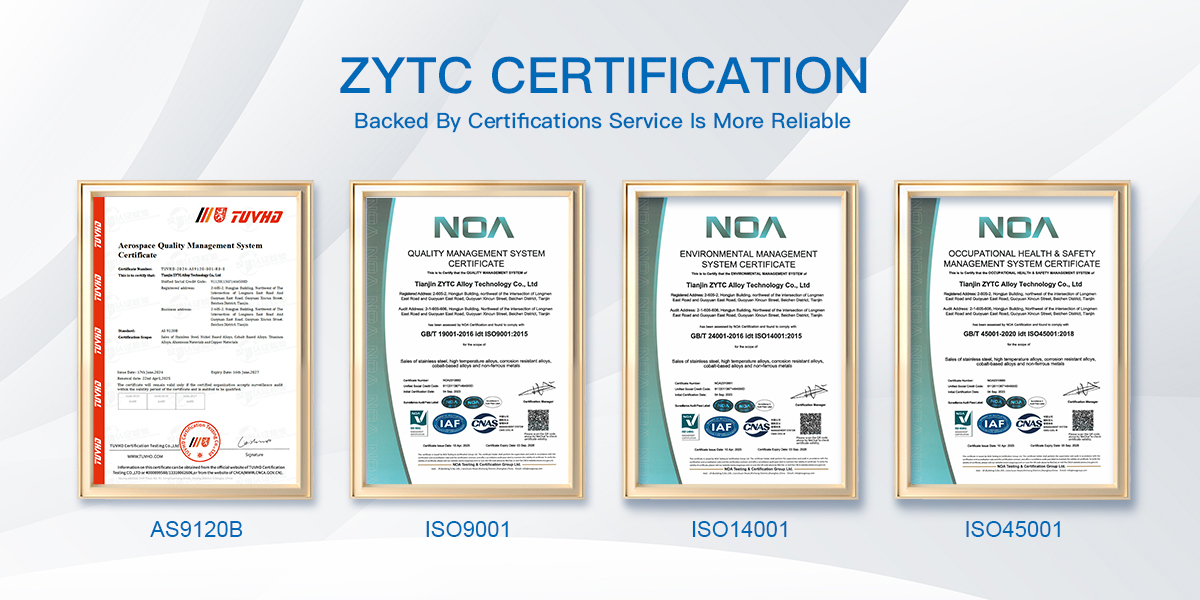
1.4548 17-4PH Stainless Steel | Datasheet
1.4548 / 17-4PH Stainless Steel — Condition Selection & Supply GuideFor aerospace fastener engineers, chemical processing equipment designers, and buyers specifying UNS S17400 / AISI 630 — supplied by ZYTC Alloy, ISO 9001 & AS 9120B certified. What This Grade Is, and Why Condition Selection Matters More Than Chemistry1.4548 (17-4PH / UNS S17400 / AISI 630) is a martensitic precipitation-hardening stainless steel containing approximately 17% chromium and 4% nickel with copper additions. It combines high strength and hardness with corrosion resistance comparable to 304 stainless steel in most media. But unlike a standard grade where chemistry is the main variable, 17-4PH's properties are determined almost entirely by the aging condition you specify. The same heat of material can deliver 1310 MPa tensile with modest toughness (H900) or 1000 MPa with significantly better toughness and stress-corrosion resistance (H1150). Choosing the wrong condition is the most common — and most expensive — mistake on a 17-4PH purchase order. ZYTC Alloy supplies 1.4548 / 17-4PH at factory-direct prices with full material traceability, in multiple forms and all standard aging conditions. The Condition Decision: H900 vs H1150 Is Not a Strength-Only ChoiceThe page you are reading lists H900, H925, H1025, H1075, H1100, and H1150 as available conditions. Here is what that list actually means for your design:
The trap: Buyers often default to H900 because it appears at the top of the strength column. But H900's higher strength comes at the cost of lower toughness and reduced resistance to stress-corrosion cracking in chloride or sour environments. For components subject to impact, cyclic loading, or exposure to chlorides, H1150 is frequently the defensible choice — even though its tensile number is lower on paper. If you are unsure: state the service environment (temperature, chloride exposure, impact or cyclic loading) on the RFQ. We will confirm whether H900 or a higher-temperature condition is appropriate before quoting. A Dimensional Consequence That Is Rarely Considered at the Design Stage17-4PHundergoesvolume contraction of up to approximately 0.07% during aging. This is a real dimensional change, not a rounding error. What this means in practice: If you machine a part to final tolerance in Condition A (solution annealed) and then age it, the part will shrink. For a 100 mm dimension, 0.07% is 0.07 mm — enough to fail a tight tolerance. The correct sequence for precision parts is rough machine → age → finish machine, or specify the aging condition from the mill and machine the already-aged material. This is the single most common source of dimensional non-conformance on 17-4PH parts, and it is entirely avoidable with the right process sequence. Product Forms & Availability
Standard aging conditions available: H900, H925, H1025, H1075, H1100, H1150. If you require a specific condition, state it on the PO. ZYTC supplies Condition A as the default unless an aging condition is specified. For critical applications, VAR or ESR remelted material is available. Specifications
Fabrication & Weldability — Four Practical NotesForging: Hot forge in the 950–1200°C range. Solution treatment is required afterward to achieve maximum hardness response during aging. Welding: Good weldability, but weld before aging, not after. Welding in the aged condition embrittles the heat-affected zone and can cause cracking. If the part must be welded after aging, plan for a post-weld re-aging treatment. Machining: Good machinability in Condition A. Machining after aging is significantly more difficult — the material is harder and work-hardens. Where possible, complete machining before the final aging step (see the dimensional note above). Heat treatment: Solution anneal at approximately 1040°C, then single-step age at 480–620°C depending on the condition selected. The aging temperature, not the time, is the primary control variable. Applications
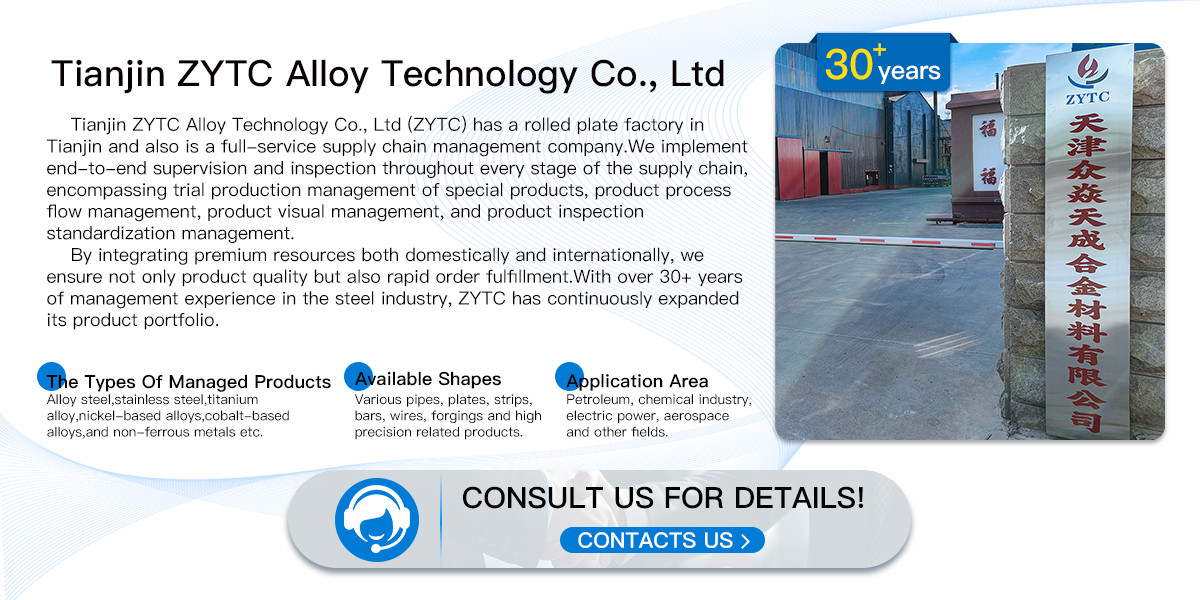
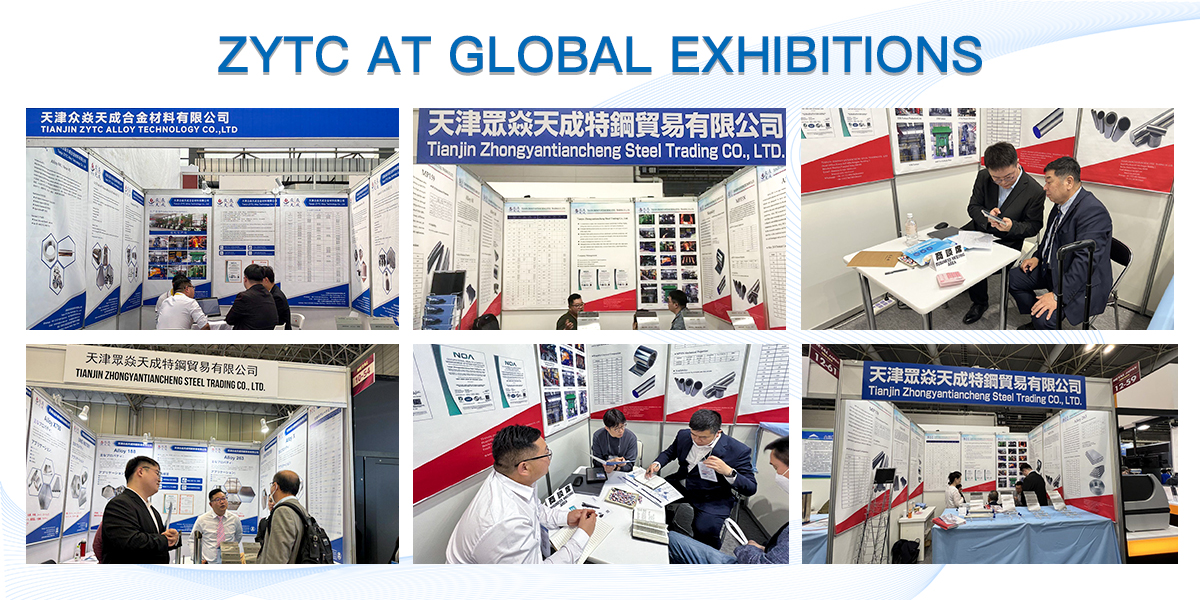
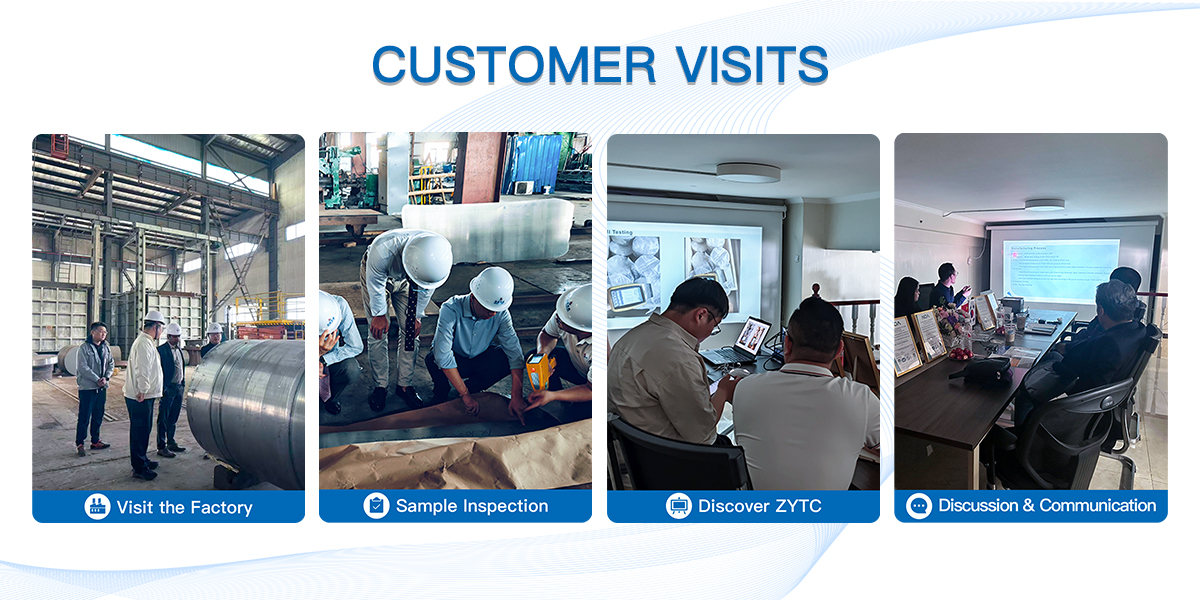
Why Source 17-4PH from ZYTC Alloy
Request a QuotePlease provide: form (round / flat / hexagon / profile tube / sheet / plate / strip), size, heat treatment condition (Condition A / H900 / H1025 / H1150, etc.), quantity, destination port, and any special certification requirements. If you are unsure about the aging condition, include the service temperature, chloride exposure, and whether the part will be machined before or after aging — we will confirm the defensible choice before quoting. 📧 daisy@zytcsteel.com |