Nitinol is a nickel-titanium alloy renowned for its unique shape memory and superelastic properties, which enable revolutionary applications in medical devices such as stents, heart valves, and minimally invasive surgical instruments. Unlike conventional structural alloys, Nitinol’s value lies in its functional performance—its ability to undergo large elastic deformation or to “remember” a preset shape upon heating. Procuring Nitinol requires a fundamentally different approach focused on phase transformation temperature, material state, and biocompatibility rather than simple strength or corrosion resistance .
1. Product Specifications & Physical DataNitinol medical alloy wire typically contains approximately 50.8% nickel, with the balance titanium. Its properties are determined by precise thermomechanical processing and heat treatment, resulting in two distinct functional states: superelastic and shape memory. Available Forms: Wire, bar, sheet, tube, and custom components . Specifications: ASTM F2063 (surgical implant NiTi alloy), ISO 5832-11, GB/T 24627, UNS N01555 .
| Chemical Composition (Weight %) | Nitinol Specification (ASTM F2063) |
|---|
| Nickel (Ni) | 54.5 - 57.0 | | Titanium (Ti) | Balance | | Carbon (C) | 0.050 max. | | Cobalt (Co) | 0.050 max. | | Copper (Cu) | 0.010 max. | | Chromium (Cr) | 0.010 max. | | Hydrogen (H) | 0.005 max. | | Iron (Fe) | 0.050 max. | | Niobium (Nb) | 0.025 max. | | Nitrogen (N) | 0.005 max. | | Oxygen (O) | 0.050 max. |
| Physical Properties | Metric | Imperial |
|---|
| Density | 6.45 g/cm³ | 0.233 lb/in³ | | Melting Point | 1240 - 1310°C | 2264 - 2390°F | | Modulus of Elasticity (Austenite) | 75 - 83 GPa | 10.9 - 12.0 × 10⁶ psi | | Modulus of Elasticity (Martensite) | 28 - 41 GPa | 4.1 - 5.9 × 10⁶ psi | | Electrical Resistivity | 0.76 - 1.00 µΩ·m | 0.76 - 1.00 µΩ·m | | Thermal Conductivity | 10 - 18 W/m·K | 69 - 125 BTU·in/hr·ft²·°F |
| Mechanical Properties | Condition | Metric | Imperial |
|---|
| Ultimate Tensile Strength (min.) | Annealed | 895 MPa | 130 ksi | | Yield Strength (0.2% offset) | Annealed | 195 - 345 MPa | 28 - 50 ksi | | Elongation (min.) | Annealed | 10% | 10% | | Ultimate Tensile Strength | Cold Worked | 1200 - 1900 MPa | 174 - 276 ksi | | Maximum Recoverable Strain | Superelastic | 8 - 10% | 8 - 10% |
2. Operating Conditions & Selection CriteriaNitinol is specified when designers require the unique functional properties of shape memory or superelasticity for medical devices operating within the human body. Superelastic State: At room temperature or body temperature, the alloy can be deformed up to 8-10% strain without permanent deformation. Upon unloading, it returns completely to its original shape—behavior akin to rubber but with metal strength. This property enables devices such as cardiovascular stents that can be compressed into thin catheters and self-expand upon deployment . Shape Memory State: When deformed at a lower temperature (martensitic phase) and heated to a specific temperature (the austenite finish temperature, Af), the material instantly returns to its pre-set shape. This property enables temperature-triggered mechanisms such as intracavitary clamps and thermal actuators . Phase Transformation Temperature (Af): The critical parameter defining Nitinol’s functional behavior. Medical-grade Nitinol is typically engineered with Af slightly below or at body temperature (e.g., Af = 37±3°C) for superelastic applications, or precisely calibrated for shape memory devices . Biocompatibility: ASTM F2063-compliant Nitinol is approved for surgical implants, offering excellent corrosion resistance in physiological environments and good tissue compatibility . Fatigue Resistance: High fatigue strength essential for implantable devices subject to millions of cyclic loads (e.g., heart valves, stents) .
3. Fabrication & Material ComparisonNitinol processing requires specialized expertise due to its high work-hardening rate, sensitivity to impurities, and stringent thermal processing requirements. Melting: Vacuum induction melting (VIM) followed by vacuum arc remelting (VAR) ensures ultra-high purity and homogeneity, preventing oxide inclusions that cause wire breakage during drawing . Thermomechanical Processing: Wire rapidly hardens after each drawing pass, requiring multiple intermediate annealing cycles. Precise control of drawing speed, reduction ratio, and annealing temperature—often proprietary—determines final mechanical and functional properties . Post-Processing: Electropolishing removes surface defects, improves fatigue life, and enhances biocompatibility for implantable components . Heat Treatment (Shape Setting): Final heat treatment at temperatures between 450-550°C (842-1022°F) establishes the shape memory or superelastic response. Holding fixtures precisely define the “trained” shape . Material Comparison:
| Property Comparison | Nitinol (NiTi) | 316L Stainless | Ti-6Al-4V | CoCrMo |
|---|
| Maximum Recoverable Strain | 8-10% | < 1% | < 1% | < 1% | | Elastic Modulus (GPa) | 28-83 (temperature dependent) | 193 | 110 | 210 | | Shape Memory Effect | Yes | No | No | No | | Superelasticity | Yes | No | No | No | | Fatigue Strength | Excellent | Good | Good | Excellent | | MRI Compatibility | Excellent | Good | Excellent | Moderate | | Primary Application | Self-expanding stents, implants | Surgical instruments, temporary implants | Orthopedic implants | Wear-resistant implants |
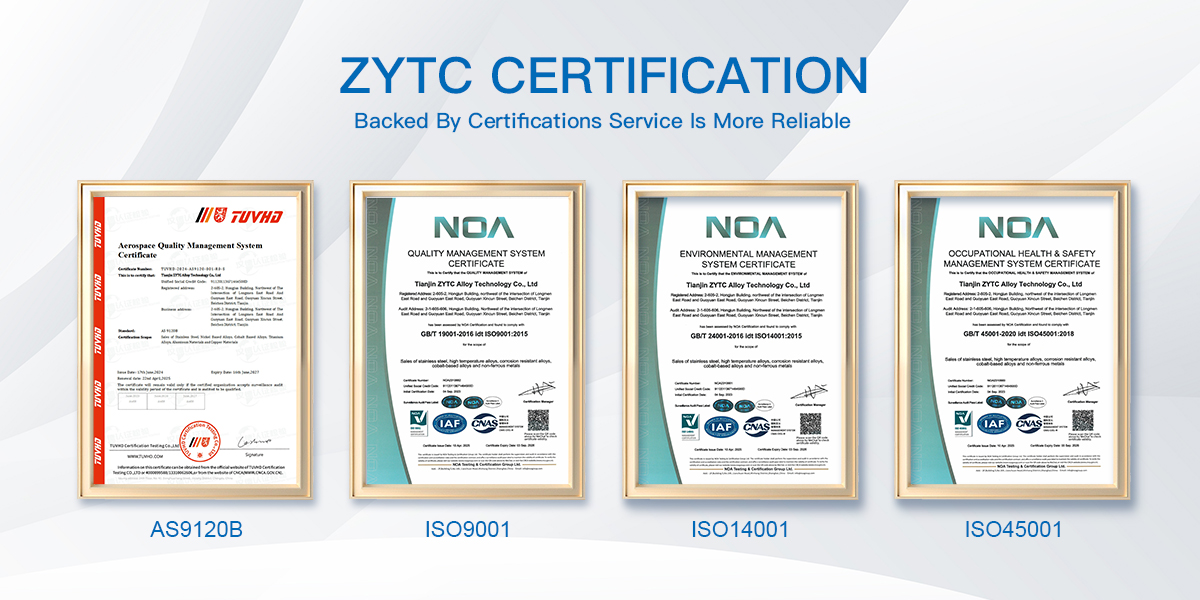
4. Procurement Specifications & DocumentationWhen specifying Nitinol, the following parameters must be clearly defined: Material State: Superelastic or shape memory Phase Transformation Temperature (Af): Specify in °C (e.g., Af = 37±3°C) Diameter and Tolerance: Precision required (e.g., Φ0.10mm ±0.001mm) Surface Finish: Bright, etched, electropolished, or ground Certification: EN 10204 3.1 Material Test Certificate Additional Reports: Differential scanning calorimetry (DSC) phase transformation temperature test; superelasticity or shape memory performance curve; mechanical test results
5. Applications in Medical Devices| Device Category | Typical Applications | Key Nitinol Property |
|---|
| Cardiovascular | Self-expanding stents, heart valve frames, vena cava filters, EVAR grafts | Superelasticity, fatigue resistance | | Neurovascular | Embolization coils, clot retrievers, flow diverters | Superelasticity, kink resistance | | Orthopedic | Bone anchors, compression screws, spinal fixation devices | Shape memory, superelasticity | | Surgical Instruments | Graspers, forceps, intracavitary clamps | Shape memory, flexibility | | Structural Heart | Occluders (ASD/PFO), inter-atrial shunts | Superelasticity, biocompatibility | | Guidewires & Catheters | Cardiovascular and urological guidewires | Flexibility, kink resistance, torque control | | Orthodontic | Archwires, brackets | Superelasticity, constant force delivery |
6. Emerging TrendsRobotic Surgery: Nitinol’s superelasticity enables flexible instruments for minimally invasive robotic systems Sensing Integration: Development of Nitinol components with integrated sensing capabilities for real-time feedback Additive Manufacturing: 3D printing of Nitinol for patient-specific implants with complex geometries Surface Engineering: Advanced coatings and surface modifications to enhance biocompatibility and reduce nickel ion release
Nitinol represents a paradigm shift in material science for medical applications. Its unique shape memory and superelastic properties enable devices that would be impossible with conventional alloys—from self-expanding stents delivered through tiny catheters to active surgical instruments triggered by body heat. Successful procurement of Nitinol requires precise specification of phase transformation temperature, material state, and strict adherence to ASTM F2063 or ISO 5832-11 standards. As medical technology advances toward less invasive, more intelligent devices, Nitinol’s role will continue to expand, particularly in robotic surgery and integrated sensing systems.
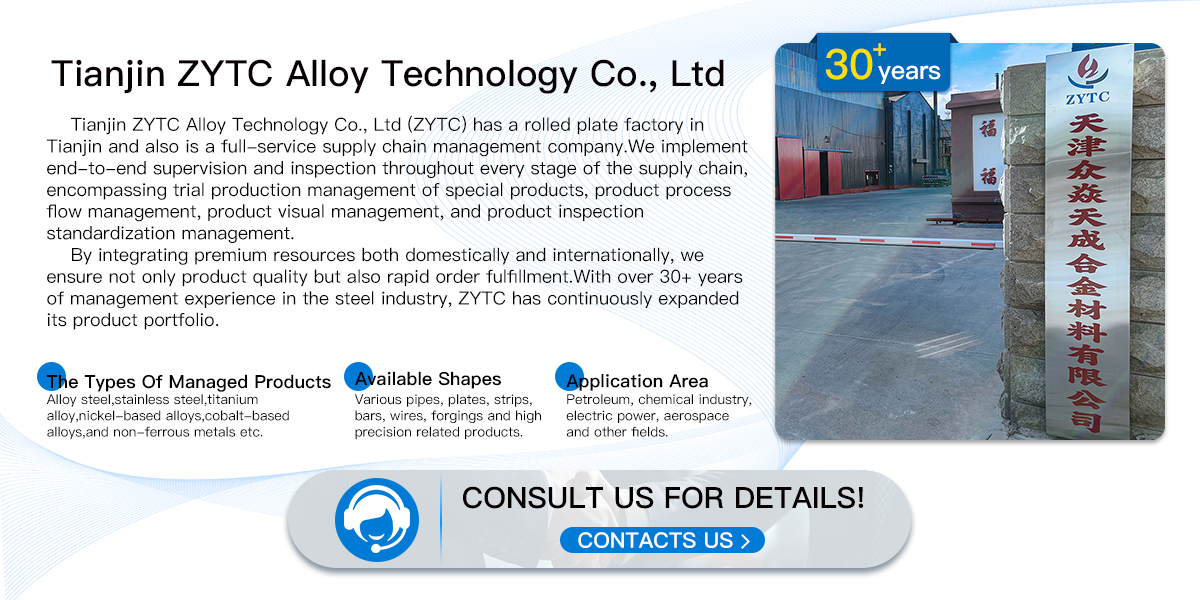
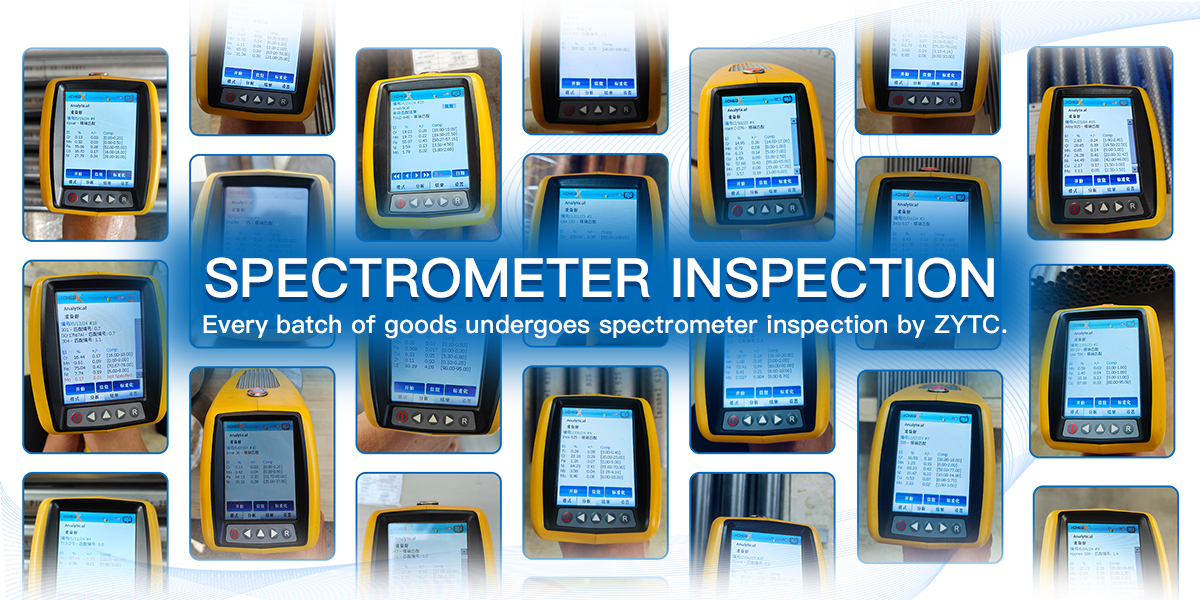
ZYTC Alloy supplies certified Nitinol medical alloy wire, bar, sheet, and tube meeting ASTM F2063 and ISO 5832-11 standards. We provide full traceability, DSC phase transformation temperature test reports, and performance verification documentation. Contact us for technical datasheets, material certification, and competitive pricing on medical-grade Nitinol. Email: daisy@zytcsteel.com WhatsApp/WeChat: +86 17335753350 |