ASTM F138 / UNS S31673 / 316LVM Medical Grade Stainless Steel
316LVM (UNS S31673) is a vacuum-melted medical grade stainless steel per ASTM F138 for surgical implants. Features excellent corrosion resistance, biocompatibility, non-magnetic properties, and high inclusion cleanliness.
Delivery :
FOB
minimum order :
50 kilograms
Supply Ability :
5000kilograms / Month
Stock Time :
7-10Day
Country of Origin :
CHINA
Quantity :
add to cart
Contact Now
ASTM F138 specifies the requirements for wrought 18chromium-14nickel-2.5molybdenum stainless steel (UNS S31673), commonly known as 316LVM, for surgical implant applications. This vacuum-melted grade achieves exceptional levels of purity and cleanliness, making it the standard material for orthopedic implants, cardiovascular devices, and surgical instruments. Its excellent resistance to general corrosion, pitting, crevice corrosion, and intergranular attack, combined with biocompatibility and non-magnetic properties, positions it as the preferred choice for implantable medical devices.
1. Product Specifications & Physical Data
316LVM is produced through vacuum melting (VIM + VAR) to ensure ultra-high cleanliness and homogeneity, eliminating non-metallic inclusions that could compromise implant performance. The alloy is available in annealed, medium-hard, or extra-hard conditions depending on diameter and application requirements.
Available Forms: Round bar (annealed, medium-hard, extra-hard), flat bar, plate, sheet, wire, and custom shapes .
Specifications: ASTM F138, ISO 5832-1, UNS S31673, AMS 5657, EN 1.4441 .
Chemical Composition (Weight %)
316LVM Specification
Chromium (Cr)
17.0 - 19.0
Nickel (Ni)
13.0 - 15.0
Molybdenum (Mo)
2.25 - 3.0
Carbon (C)
0.030 max.
Manganese (Mn)
2.0 max.
Silicon (Si)
0.75 max.
Phosphorus (P)
0.025 max.
Sulfur (S)
0.010 max.
Nitrogen (N)
0.10 max.
Iron (Fe)
Balance
Physical Properties
Metric
Imperial
Density
7.96 - 8.0 g/cm³
0.288 - 0.289 lb/in³
Melting Range
1370 - 1400°C
2500 - 2550°F
Modulus of Elasticity
193 GPa
28.0 × 10⁶ psi
Electrical Resistivity
0.75 µΩ·m
0.75 µΩ·m
Magnetic Permeability
< 1.02
< 1.02
Mechanical Properties (Annealed)
Value
Unit
Tensile Strength (min.)
490 MPa
71 ksi
Yield Strength (0.2% offset, min.)
190 MPa
28 ksi
Elongation (min.)
40%
40%
Hardness (Brinell)
200 max.
200 max.
Mechanical Properties (Cold-Worked)
Medium-Hard
Extra-Hard
Tensile Strength (min.)
860 MPa
1200 MPa
Yield Strength (min.)
690 MPa
1000 MPa
Elongation (min.)
15%
8%
2. Operating Conditions & Selection Criteria
316LVM is specified for surgical implant applications requiring the highest levels of cleanliness, corrosion resistance, and biocompatibility.
Biocompatibility: Approved per ASTM F138 and ISO 5832-1 for surgical implants; excellent tissue compatibility and resistance to corrosion in physiological environments .
Corrosion Resistance: High molybdenum content (2.25-3.0%) combined with vacuum melting provides superior resistance to pitting, crevice corrosion, and general corrosion in body fluids .
Intergranular Corrosion Resistance: Low carbon content (0.030% max) prevents carbide precipitation during welding or heat exposure, eliminating sensitization .
Non-Magnetic Properties: Low magnetic permeability (< 1.02) ensures MRI compatibility and patient safety .
Inclusion Cleanliness: Vacuum melting (VIM + VAR) eliminates non-metallic inclusions that could act as corrosion initiation sites or compromise fatigue life .
Service Temperature: Suitable for continuous operation in physiological environments at body temperature (37°C); retains properties through sterilization cycles .
3. Fabrication & Material Comparison
Annealing: 1050-1120°C (1920-2050°F), rapid water quench; restores corrosion resistance after hot working .
Hot Forging: 900-1150°C (1650-2100°F); annealing required after forging to restore microstructure .
Cold Working: Available in medium-hard and extra-hard conditions for smaller dimensions requiring higher strength .
Machinability: Good machinability in annealed condition; produces consistent surface finish critical for implant components .
Polishability: High inclusion cleanliness and homogeneous microstructure enable optimal polishing to mirror finishes .
Surface Finishing: Electropolishing or mechanical polishing recommended for implant surfaces to enhance corrosion resistance and fatigue life .
High Precision Electronics: Non-magnetic components requiring ultra-clean material
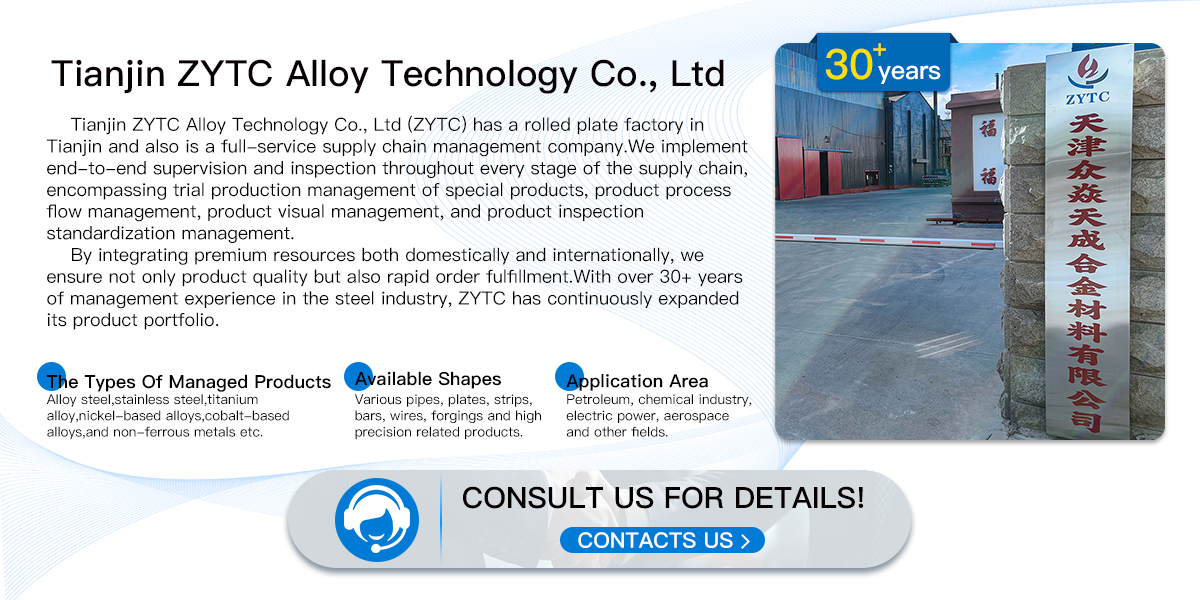
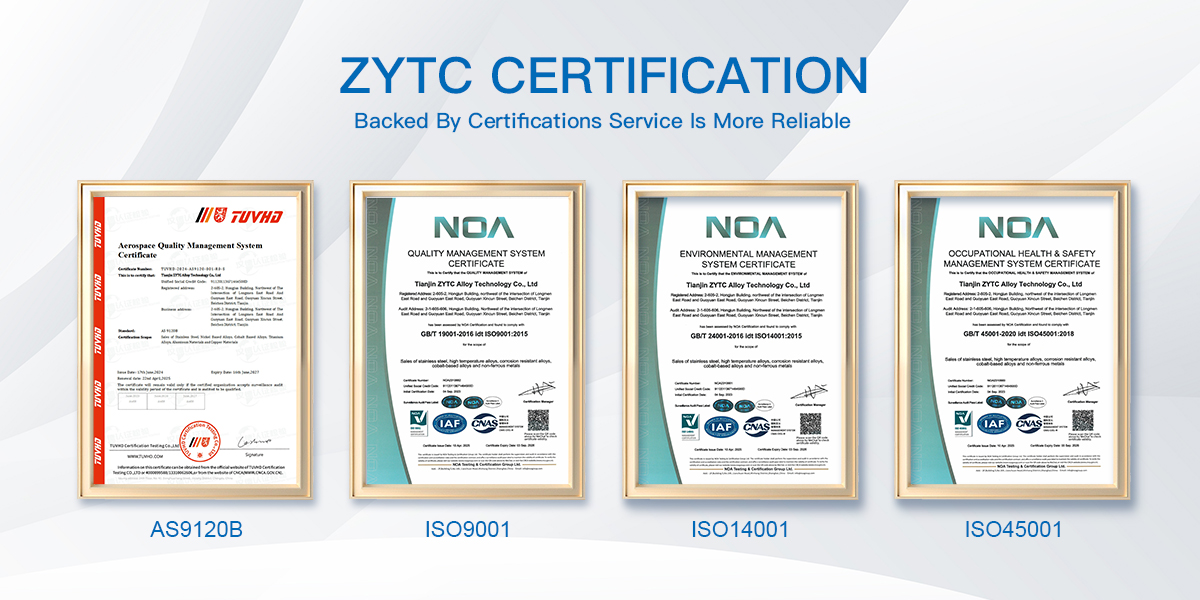
Contact ZYTC Alloy for certified ASTM F138 316LVM medical grade stainless steel with complete traceability, EN 10204 3.1/3.2 certificates, and competitive pricing. Available in round bar (annealed, medium-hard, extra-hard), flat bar, plate, sheet, and custom shapes to meet your surgical implant manufacturing requirements.