Sourcing Nickel Alloys in China: Manufacturer Types & How to Choose (2026)

China has a mature nickel alloy industry, and finding a supplier is not difficult. The harder question is: which type of supplier fits your project?
A power plant project needing a large coil of Alloy 625 has different requirements from an R&D team needing 50 kg of Alloy 718 bar for CNC prototyping. Choosing the wrong supplier type—regardless of price—leads to delays, traceability gaps, or quality surprises.
This guide categorizes the Chinese nickel alloy landscape into three supplier types, explains what each does well, and provides a verification checklist you can use with any candidate supplier.
Type 1: Large-Scale Steel Mills
What they do well: Large mills—typically state-backed or large private enterprises—have world-class melt capacity and can produce standard products in very large volumes. If your project requires tonnage quantities of standard corrosion-resistant plate, coil, or foil, these mills are the appropriate source.
What to expect: High minimum order quantities. These mills are geared toward mass production and generally do not offer custom CNC machining, small-batch R&D support, or mixed-form orders. Their commercial model is built around volume.
When this type fits: Your specification is standard, your volume is high, and you do not require downstream machining or mixed product forms from a single supplier.
Type 2: Specialized Forging & Casting Experts
What they do well: These are specialized manufacturers focused on specific geometries—typically high-performance forgings and rings for aerospace, nuclear, and power generation. Many have developed proprietary refining processes that reduce harmful trace elements and achieve performance comparable to imported equivalents.
What to expect: Their product forms are fixed. If you need a mix of bar, tube, sheet, and precision-machined parts, a forging specialist will cover only one part of that requirement, and you will need to manage multiple vendors. This is not a limitation of capability—it is a consequence of focus.
When this type fits: Your component is a forging or ring, the geometry is within their specialty, and you do not need a single-source solution across multiple product forms.
Type 3: Integrated Supply Chain Managers
What they do well: This model integrates material sourcing, precision machining, and in-house laboratory verification under one quality system. Instead of selling raw metal only, the supplier delivers a finished or near-net component with traceability from melt to shipment.
What to expect: Flexible minimum order quantities—from prototype-scale to production-scale. Custom machining and mixed-form orders are possible. The trade-off is that unit pricing may be slightly higher than buying raw material directly from a mill, because the supplier is absorbing machining, testing, and supply chain coordination costs.
When this type fits: Your project requires custom sizes, machined components, mixed product forms, or small-batch R&D support—and you place value on having a single point of traceability rather than managing multiple vendors.
Comparative Summary
| Supplier Type | Core Strength | Best For | Consideration |
|---|---|---|---|
| Large Mills | Melt capacity, volume | High-volume standard coils, plate, foil | High MOQs; limited custom machining |
| Forging Specialists | Geometry-specific expertise | Aerospace/nuclear forgings and rings | Single product form; multiple vendors may be needed |
| Supply Chain Integrators | Flexibility, traceability, machining | R&D prototypes, custom machined parts, mixed orders | Slightly higher unit price than raw mill material |
Important note: No supplier type is inherently "better." The right choice depends on your project's volume, required forms, machining needs, and traceability requirements. A large mill is the correct choice for a standard high-volume order; a forging specialist is the correct choice for a complex ring; a supply chain integrator is the correct choice when you need one partner to handle material, machining, and verification.
Verification Checklist: Questions to Ask Any Candidate Supplier
Before placing an order, request the following from any supplier—regardless of type or size:
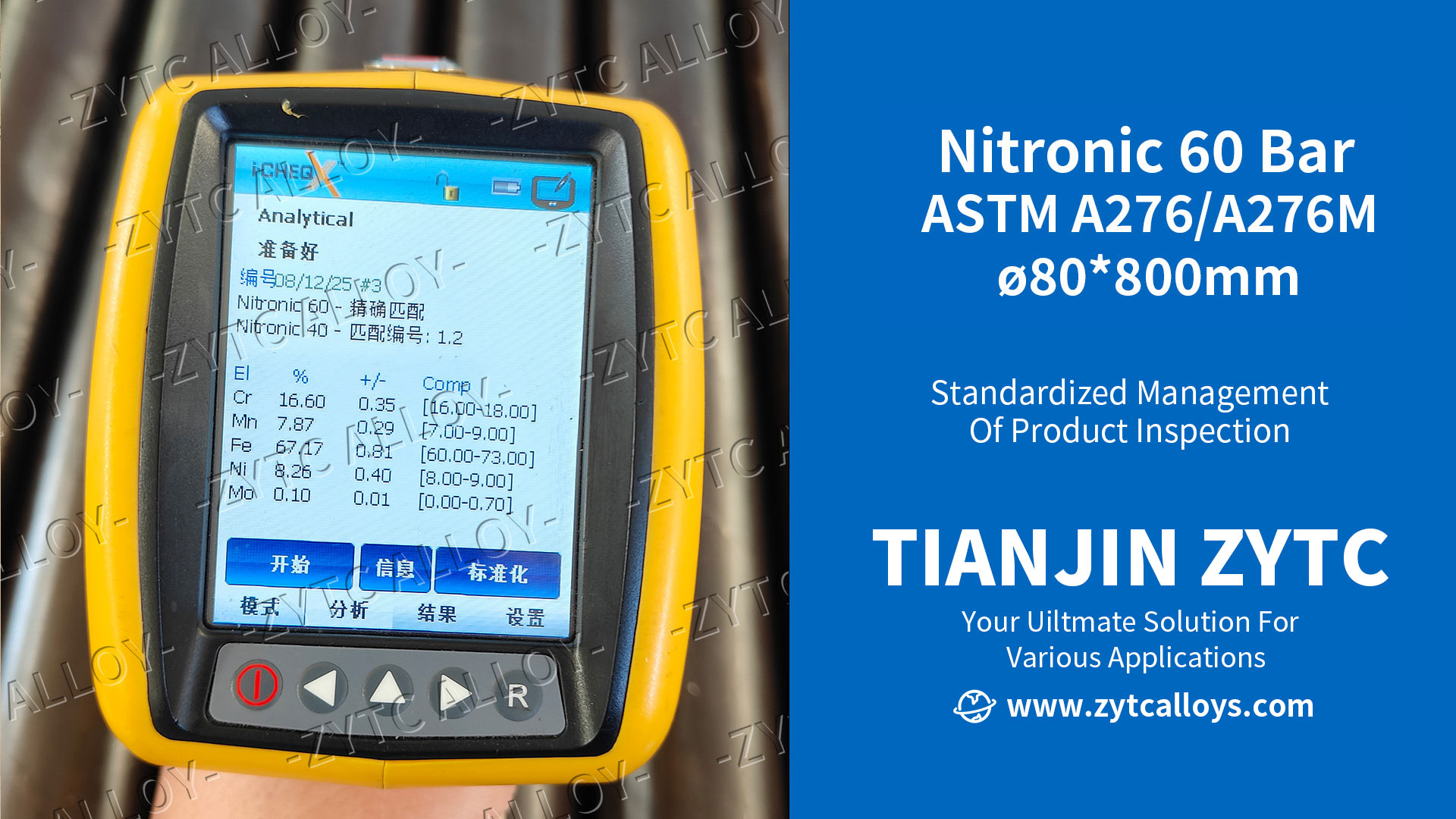
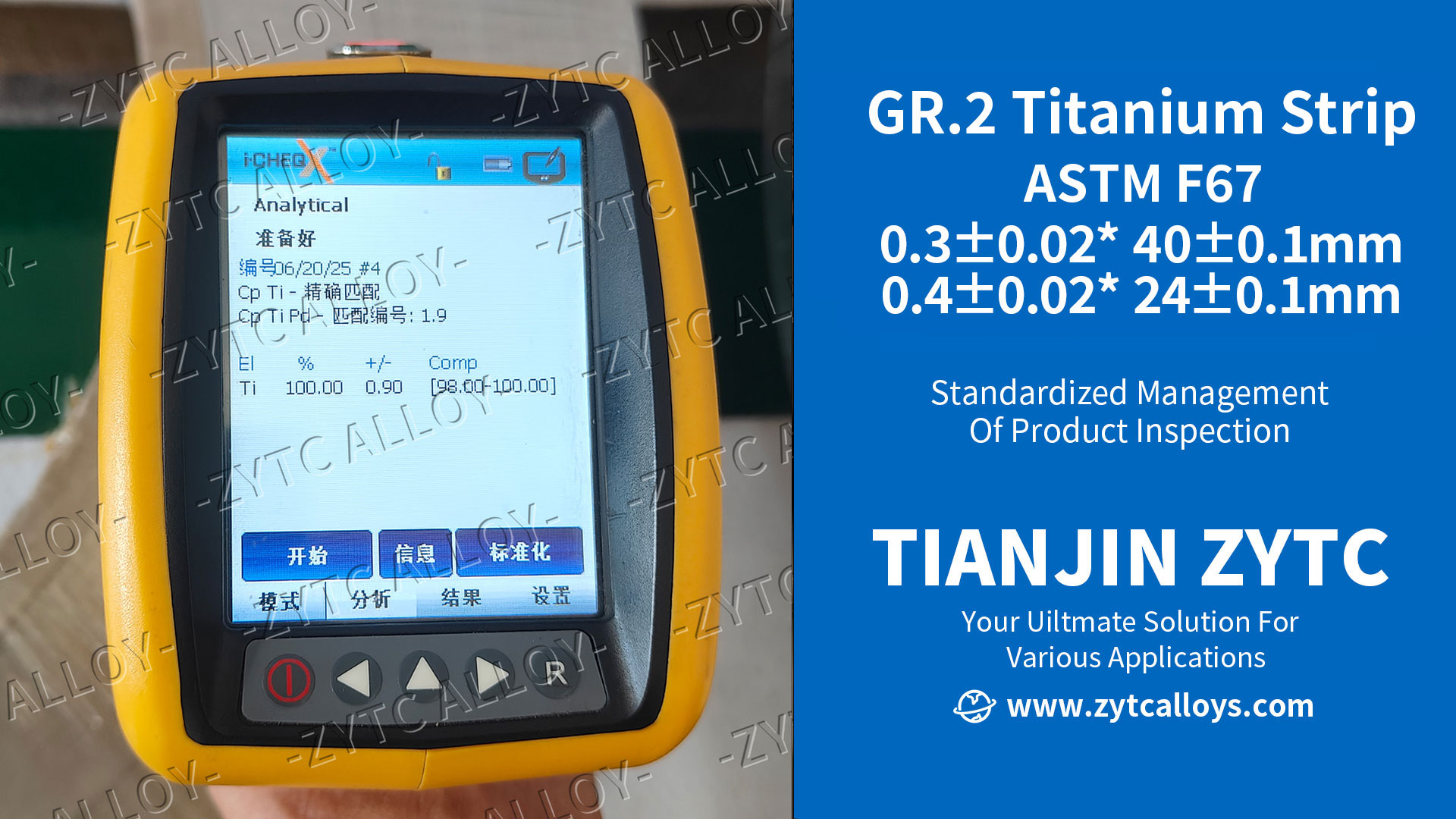
① Batch-specific test reports, not just "conforms to spec."
Ask for the actual measured chemistry and mechanical values for the specific heat you will receive. A certificate that states "conforms to AMS 5666" without measured values does not tell you what you are buying.
② The name and location of the melting facility.
Many suppliers are trading companies that outsource melting. This is not automatically a problem, but you should know where the material was melted and who is accountable for its quality. A supplier that cannot or will not disclose the melt source should be deprioritized.
③ A sample with full traceability documentation.
Request a sample from the production batch, with documentation that links the sample to the heat number and the test report. This allows you to verify the material independently before committing to a full order.
④ In-house laboratory capability (or a defined third-party testing arrangement).
Ask whether the supplier performs chemical and mechanical verification in-house, and with what equipment. If testing is outsourced, ask which laboratory and whether the reports are batch-specific.
⑤ A clear statement of what the supplier does in-house versus what is subcontracted.
Melting, forging, rolling, machining, heat treatment, and testing may all be performed by different parties. A reliable supplier will tell you which steps they control directly and which they coordinate. This transparency is a better quality signal than a broad claim of "full capability."
Sourcing Self-Check: Which Supplier Type Fits Your Project?
Question 1: Do you need a customized size or a machined component?
If yes, a large mill is unlikely to be the right fit. Look for a supplier that offers machining and can work from your drawings.
Question 2: Are you sourcing a specific grade for a demanding environment (e.g., Inconel 625 or 718)?
If yes, prioritize suppliers that can provide batch-specific test data and disclose the melt source. Material grade alone does not guarantee performance; verification does.
Question 3: Are you in the R&D phase and need a small batch quickly?
If yes, large mills will typically not accept the order. A supply chain integrator with flexible MOQs is the appropriate starting point.
Final Analysis: Matching Supplier Type to Project Requirements
The Chinese nickel alloy industry covers a wide range of capabilities, from high-volume standard production to specialized forging and integrated supply chain services. The right sourcing decision is not about finding "the best supplier" in absolute terms—it is about matching supplier type to your project’s volume, required forms, machining needs, and traceability requirements.
For projects where custom machining, mixed product forms, or small-batch support are required, a supply chain integrator can reduce the coordination burden and provide a single point of traceability. For standard high-volume orders, a large mill remains the most economical choice. For specialized forgings, a focused forging expert is often the best technical fit.
The verification checklist above applies to all three types. A supplier that can provide batch-specific data, disclose its melt source, and clearly state what it does in-house is a safer partner than one that cannot—regardless of its size.
Request a Quote
If your project requires custom nickel alloy components with full traceability and in-house laboratory verification, send us your drawings or material specifications. Our engineering team will confirm feasibility and provide a quotation with batch-specific test data.
📧 Email: daisy@zytcsteel.com
📱 WhatsApp/WeChat: +86 17335753350
Nickel Alloy Supplier for Aerospace, Defense, Oil & Gas, and Power Generation | ZYTC Alloy
ZYTC Alloy | The Strategic Choice in Chinese Nickel Alloy Manufacturing
Related Article