Alloy 46 is a nickel-iron controlled-expansion alloy with a nominal 46% nickel content, balance iron. It is engineered specifically for high-integrity glass-to-metal and ceramic-to-metal sealing applications where thermal expansion matching is critical to long-term reliability. 1. Operating Limits & Selection CriteriaThis alloy is selected primarily for its predictable expansion behavior rather than strength or corrosion resistance. Its key specification boundary is thermal stability range. Effective Temperature Range: Maintains controlled, stable coefficient of thermal expansion from room temperature up to 500°C (932°F) . Material Matching: Formulated to match the expansion curves of specific hard glasses and alumina ceramics used in hermetic device manufacturing. Performance Requirement: By matching contraction rates during cooling from sealing temperatures, Alloy 46 prevents residual stress that leads to cracks, leaks, or vacuum loss in sealed assemblies. Note on Higher Temperatures: For applications requiring expansion control beyond 500°C, alternative alloys with higher nickel content should be evaluated.
2. Manufacturing Data & SpecificationsChemical Composition (Typical) | Element | Content (%) |
|---|
| Nickel (Ni) | 46.0 | | Carbon (C) | 0.05 max | | Silicon (Si) | 0.30 max | | Chromium (Cr) | 0.025 max | | Sulfur (S) | 0.025 max | | Iron (Fe) | Balance |
Physical Properties | Property | Metric | Imperial |
|---|
| Density | 8.165 g/cm³ | 0.295 lb/in³ | | Melting Point | 1427°C | 2600°F |
Mechanical Properties (Typical, Annealed) | Property | Metric | Imperial |
|---|
| Tensile Strength | 552 MPa | 80 ksi | | Yield Strength | 242 MPa | 35 ksi | | Elongation at Break | 30% | 30% |
Fabrication Considerations Annealing: Required to achieve proper softness and controlled expansion characteristics. Typically performed at 800-1000°C in a protective atmosphere to prevent oxidation. Surface Condition: For reliable glass sealing, surfaces must be clean, free of contaminants, and properly prepared to ensure glass wetting. Cold Working: Not recommended for finished components without subsequent annealing, as residual stresses will distort the CTE and may cause seal failure.
3. ApplicationsAlloy 46 is specified wherever a hermetic seal must survive thermal cycling while maintaining vacuum or pressure integrity: Glass-to-metal seals (GTMS) in electronic tubes and vacuum devices Ceramic-to-metal seals (CTMS) in high-reliability assemblies Aerospace and defense: Radar systems, traveling wave tubes, avionics Telecommunications: High-frequency vacuum tubes Medical electronics: Sensors and imaging equipment requiring hermetic protection Automotive: High-reliability sensors for electric and autonomous vehicle systems
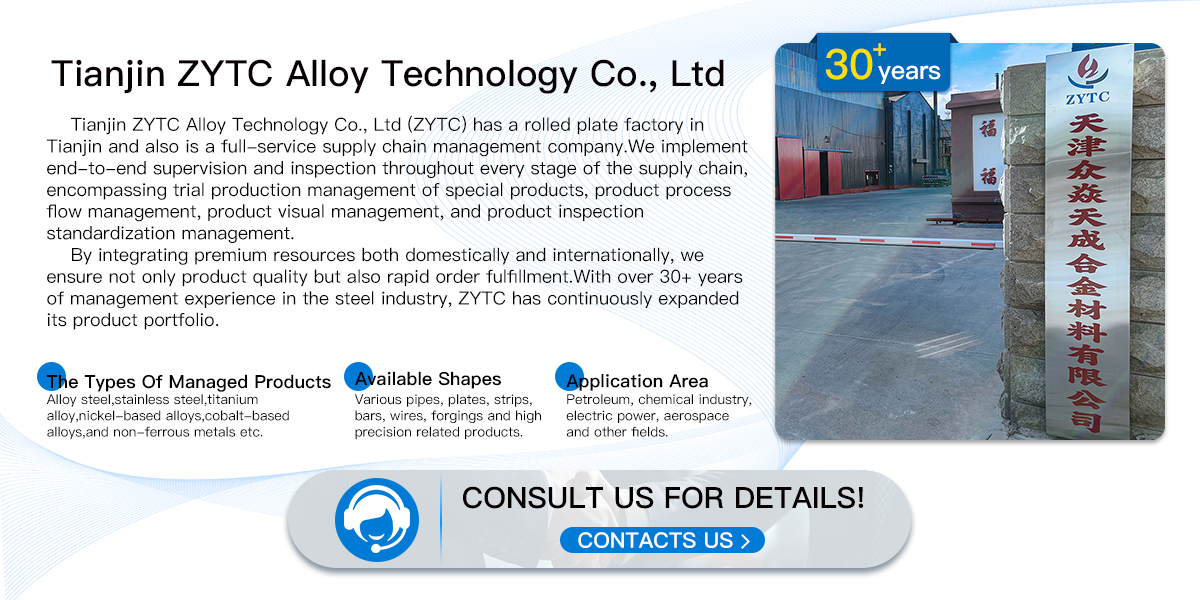
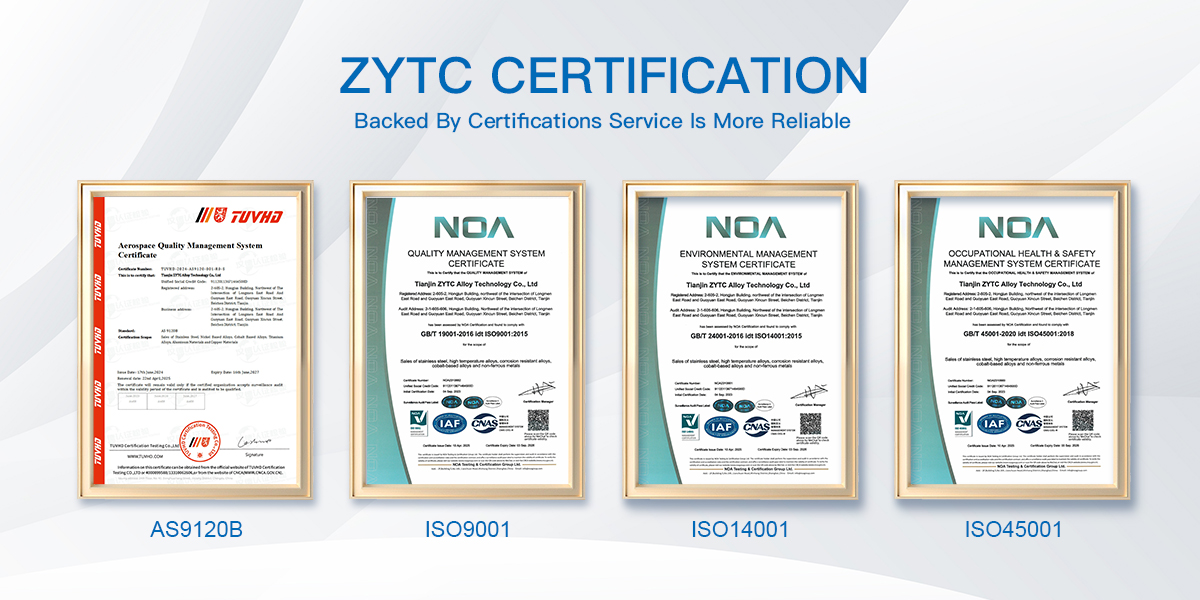
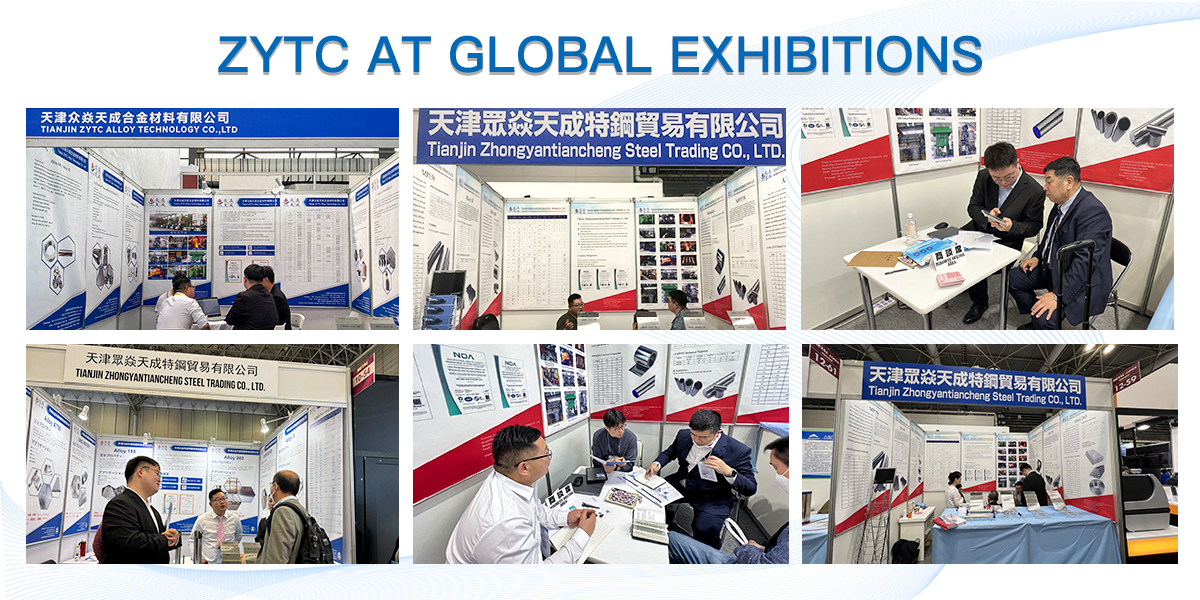
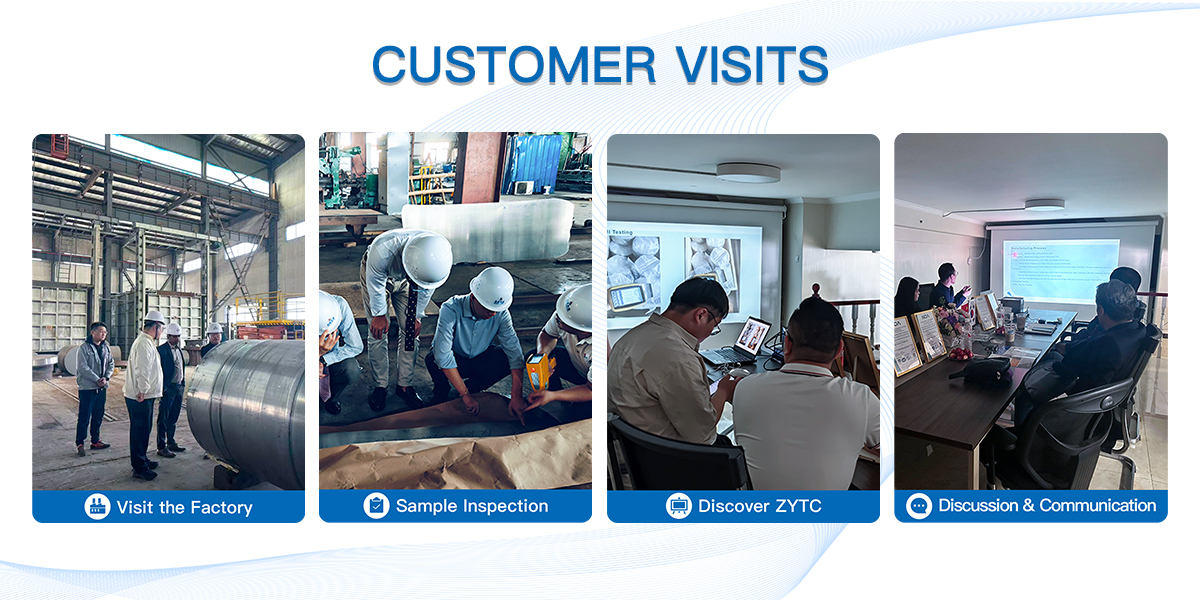
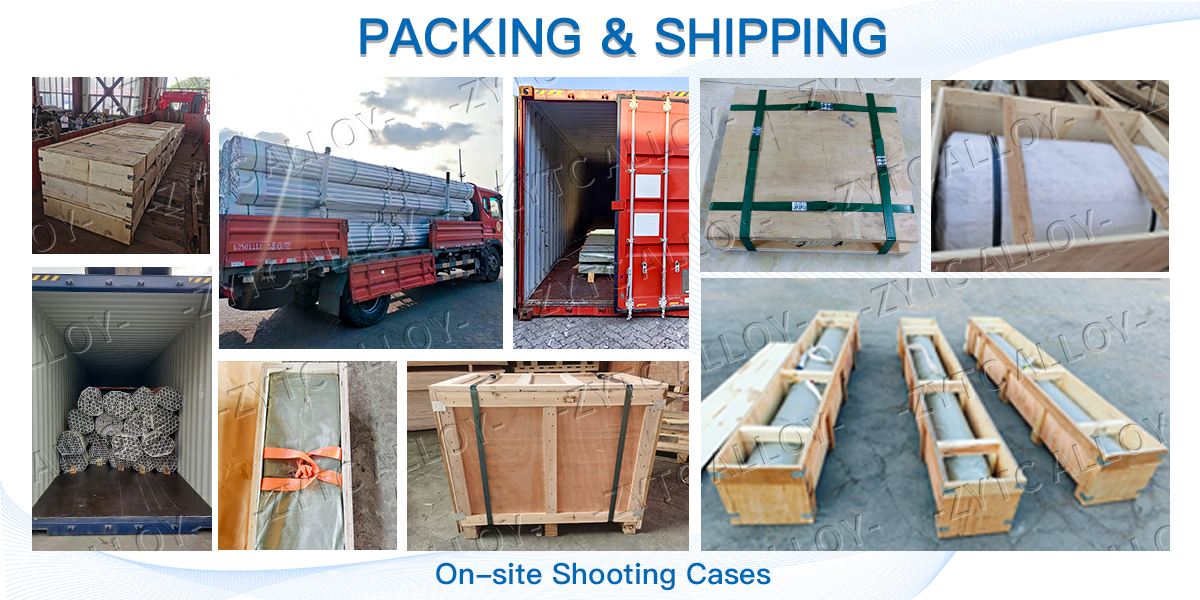
4. Available Product Forms & SupplyFor engineers and procurement specialists requiring controlled-expansion alloys for hermetic sealing applications, ZYTC Alloy stocks certified Alloy 46 (1J46 / UNS K94600) in standard mill forms: All material is supplied with full traceability and certification, suitable for mission-critical defense, medical, and industrial applications. Contact ZYTC Alloy for stock availability and pricing. Contact Us:Email:daisy@zytcsteel.com WhatsApp/WeChat: +86 17335753350 |